
The “Butterfly Cut” has taken the beauty world by storm, traditionally celebrated for its long, cascading layers that mimic the flutter of a wing. However, the true magic of this style lies in its versatility. For those with short and thin hair, the butterfly haircut is a secret weapon. It uses strategic, shorter layers around the crown and face to create the illusion of density and “oomph” where it’s needed most. By removing weight from the top and creating outward-flicking ends, it transforms flat, fine strands into a multidimensional masterpiece.
1. Micro Butterfly
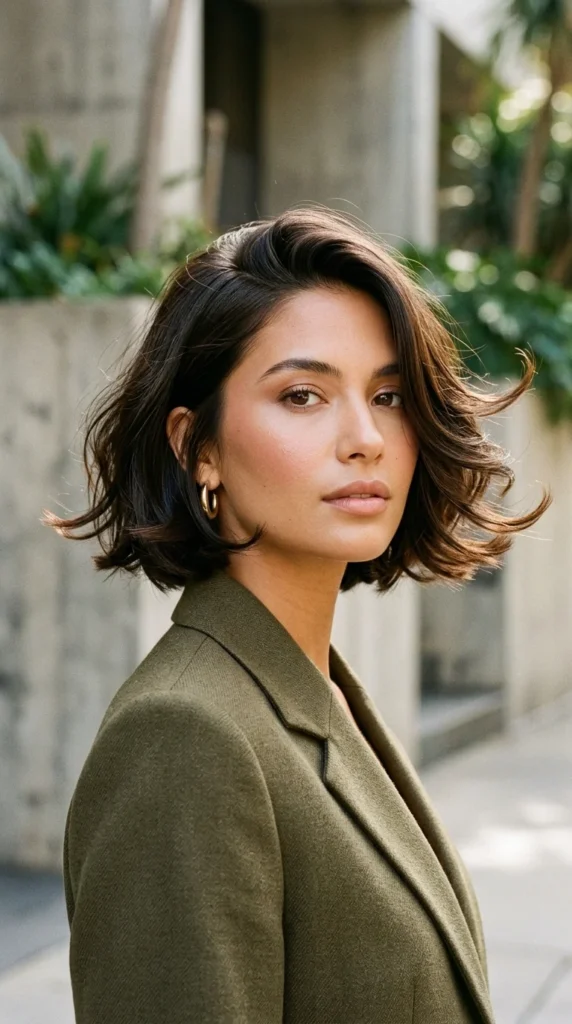
The Micro Butterfly is the ultimate solution for hair that lacks natural volume. By taking the classic butterfly structure and condensing it into a chin-length bob, you create a high-impact look that feels incredibly thick. The key here is the “short-over-long” layering technique. The top layers are cut significantly shorter than the base, allowing them to spring up and provide lift at the roots. This prevents thin hair from looking “stringy” at the bottom and instead focuses the visual interest around the face.
2. Layered Lob
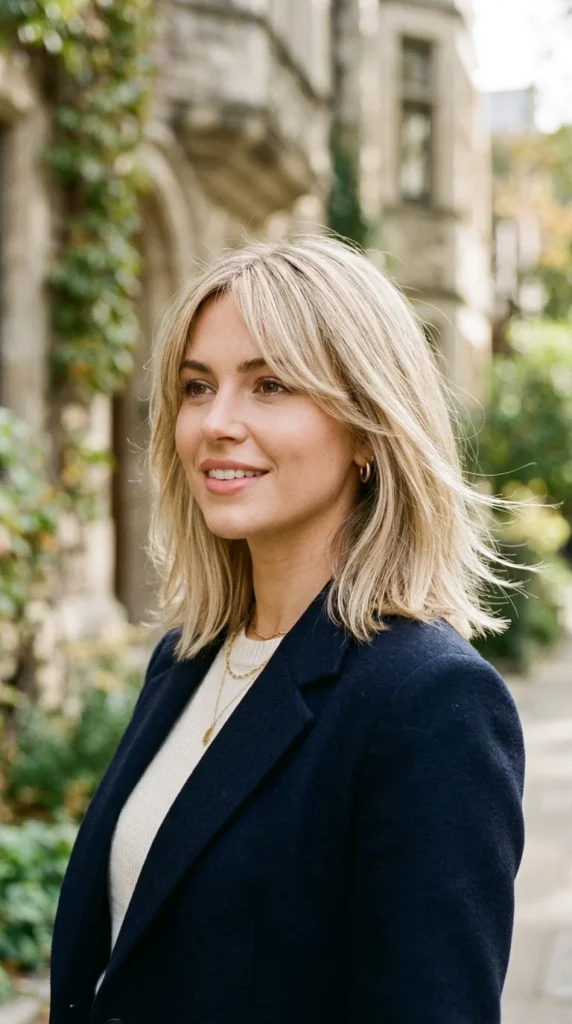
If you aren’t ready to go full-tilt into a short bob, the Layered Lob (long bob) offers the perfect middle ground. This version of the butterfly cut uses the extra length to create more “wing” sections. For thin hair, the layers should be kept soft and wispy rather than blunt. This creates a blurred perimeter that masks the actual thickness of the hair, making it appear as though there is a lot more movement and density than there actually is.
3. Face-Framing Wings

The defining characteristic of any butterfly cut is the face-framing “wing.” For thin hair, focusing the layering strictly around the face can be more beneficial than layering the entire head. By creating these graduating steps from the cheekbones down to the jawline, you frame the face and create a sense of fullness right where people look most. This style is particularly flattering for those with oval or heart-shaped faces, as it adds width to the mid-face area.
4. Feathered Pixie
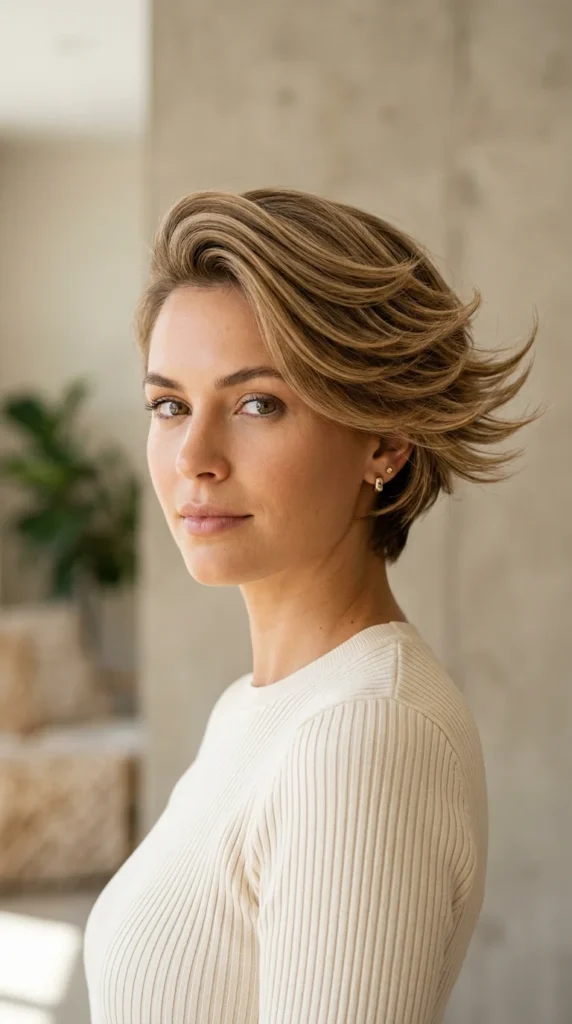
Combining the audacity of a pixie cut with the texture of a butterfly cut results in a look that is both edgy and feminine. For thin hair, the feathered pixie works wonders because it relies on texture rather than mass. The layers are cut in a way that allows them to be tousled and lifted with just a bit of lightweight mousse. The “butterfly” element comes in the longer side-swept pieces that mimic the delicate curve of a wing, providing a soft, airy feel.
5. Shaggy Butterfly
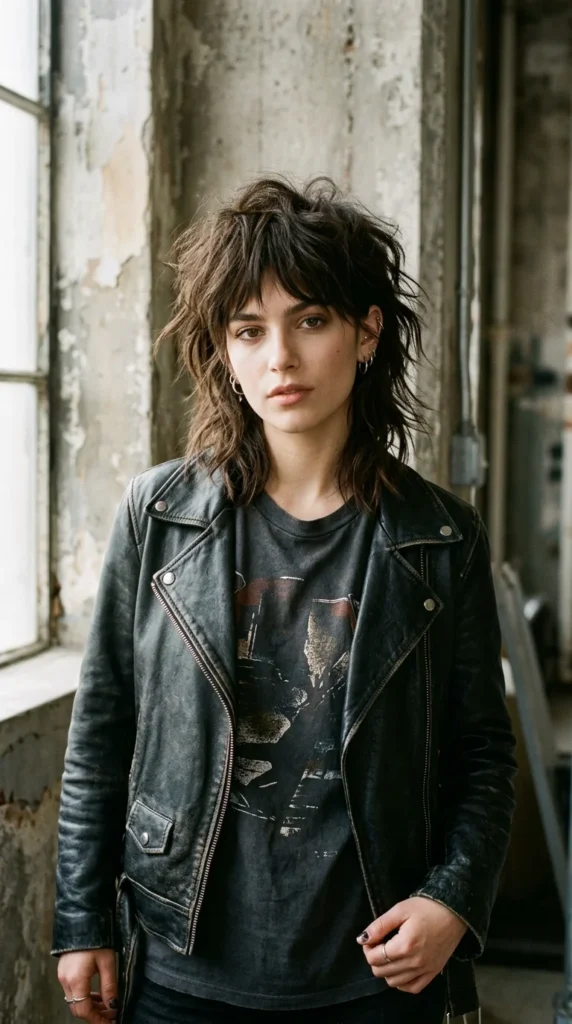
The Shaggy Butterfly is for the person who wants a low-maintenance, “woke up like this” vibe. This cut leans into the shag territory, using razor-cut layers to create maximum texture. For thin hair, this is a brilliant move because the “messiness” hides any gaps in hair density. The layers are shorter and more frequent throughout the crown, providing constant lift that doesn’t fall flat by midday.
6. Flicked Bob
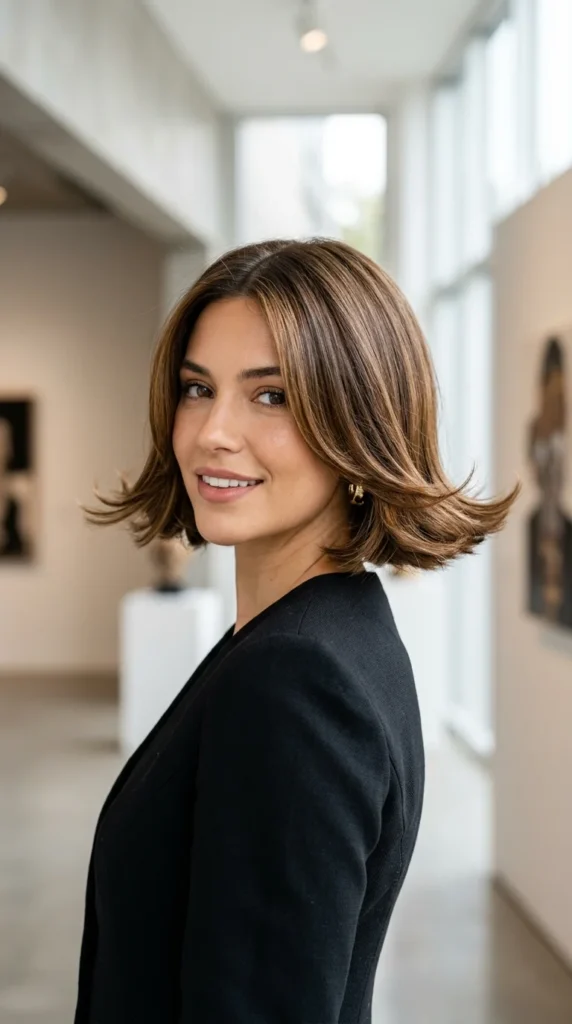
Inspired by 90s glamour, the Flicked Bob utilizes the butterfly cut’s layering to create a specific silhouette. By styling the ends to flip outward, you create horizontal width. This is a classic trick for thin hair: adding width makes the hair appear more substantial. The layers are concentrated at the bottom third of the hair, allowing the top to remain smooth while the “wings” do the heavy lifting at the jawline.
7. Soft Mullet
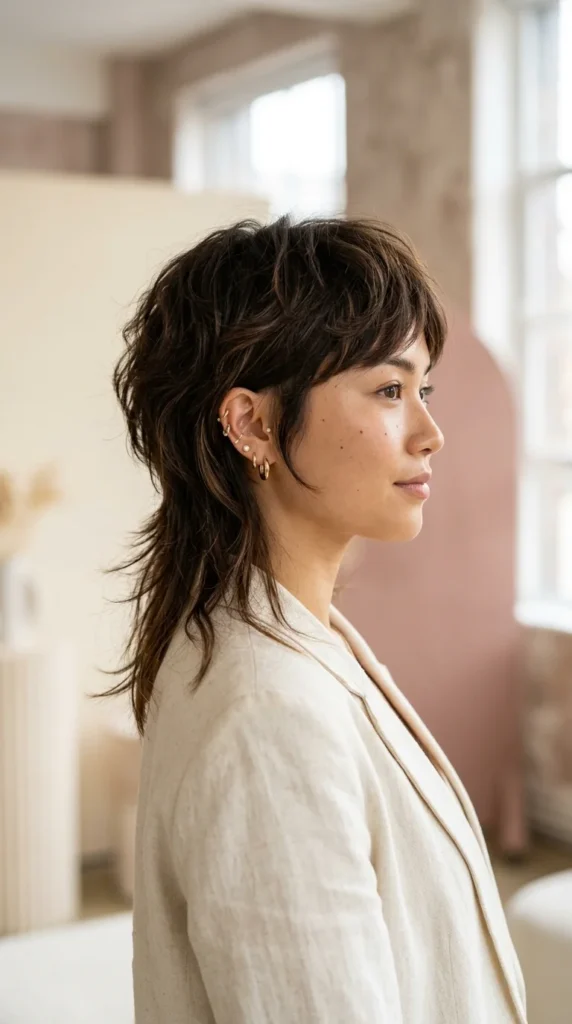
The modern “Wolf Cut” or soft mullet is a direct descendant of the butterfly style. It features a dramatic contrast between the short, voluminous top and the longer, thinner ends. For thin hair, this style is surprisingly effective because it embraces the natural lightness of the hair at the bottom while using the butterfly layers to create a “crown” of volume at the top. It’s a bold, fashion-forward choice that breathes life into flat strands.
8. Wispy Fringe
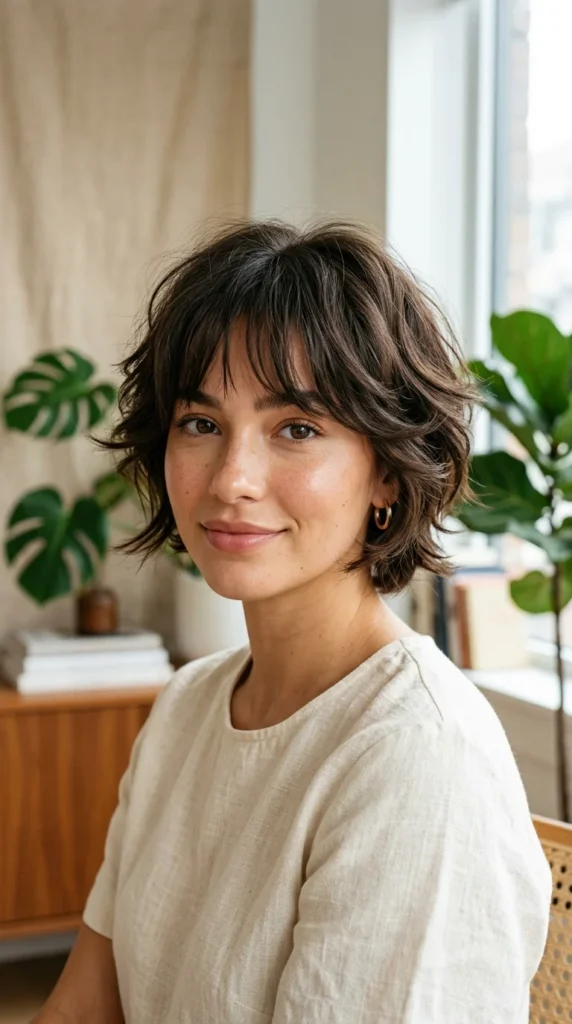
Adding a wispy fringe to a butterfly cut is like adding the finishing touch to a painting. For those with thin hair, a heavy, blunt bang can sometimes take too much hair away from the sides, making the rest of the cut look sparse. A wispy, “see-through” bang maintains the density of the rest of the hair while providing that soft, butterfly-wing frame around the eyes. It’s a delicate look that emphasizes the eyes and cheekbones.
9. Asymmetrical Wing
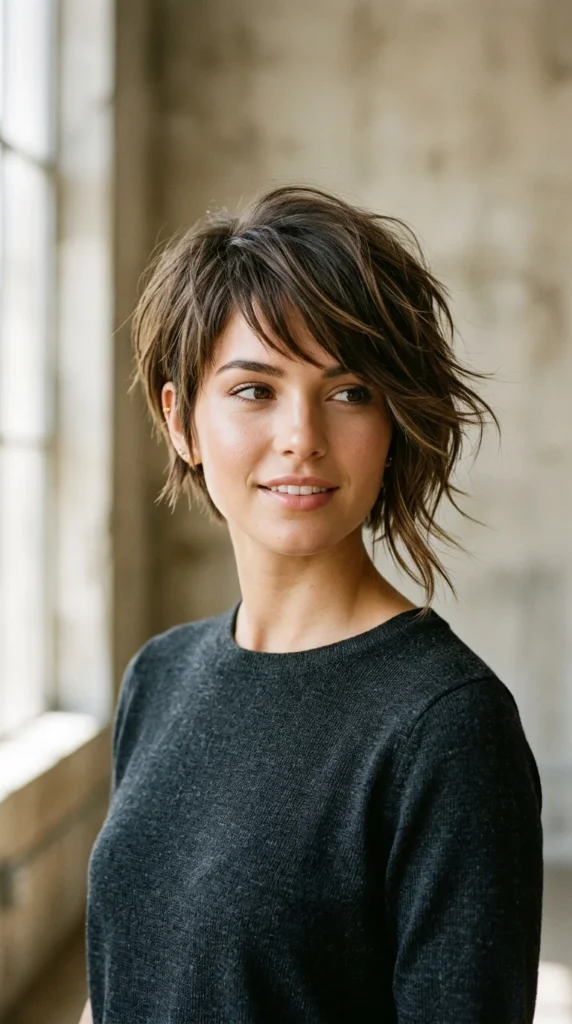
Asymmetry is a fantastic tool for thin hair. By shifting the weight of the cut to one side, you create a focal point that suggests volume and intentionality. The Asymmetrical Wing uses butterfly layers on a tilted axis. One side might feature more dramatic “wings” while the other remains a bit sleeker. This imbalance tricks the eye and prevents the hair from looking like it’s just hanging flat.
10. Blunted Base
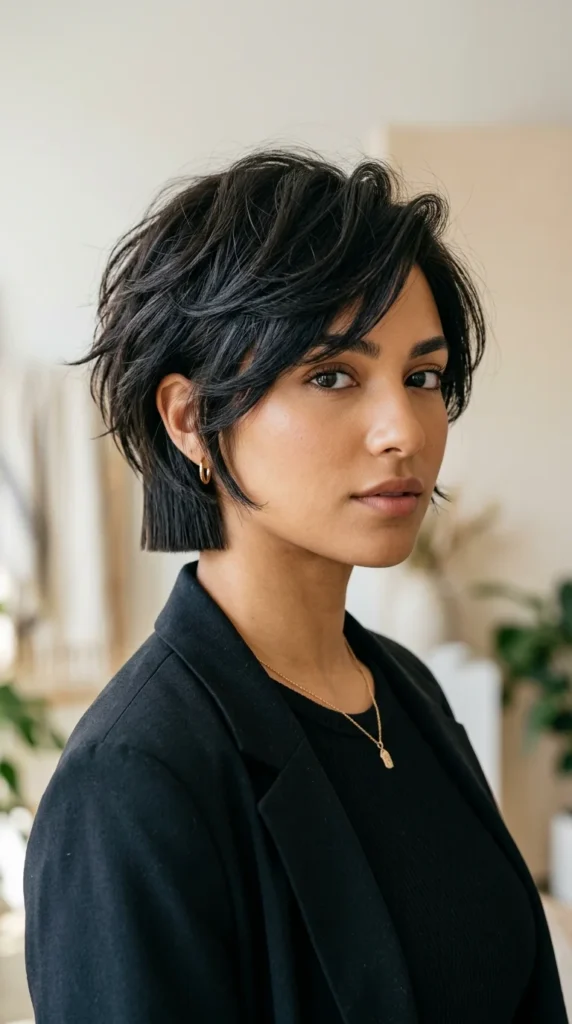
One of the biggest risks with layering thin hair is that the ends can start to look “ratty.” To combat this, the Blunted Base butterfly cut keeps a solid, straight line at the very bottom of the hair. All the butterfly layering happens on the top and middle sections. This gives you the best of both worlds: the movement and lift of the butterfly layers, and the visual thickness and “health” of a blunt-cut base.
11. Curly Butterfly
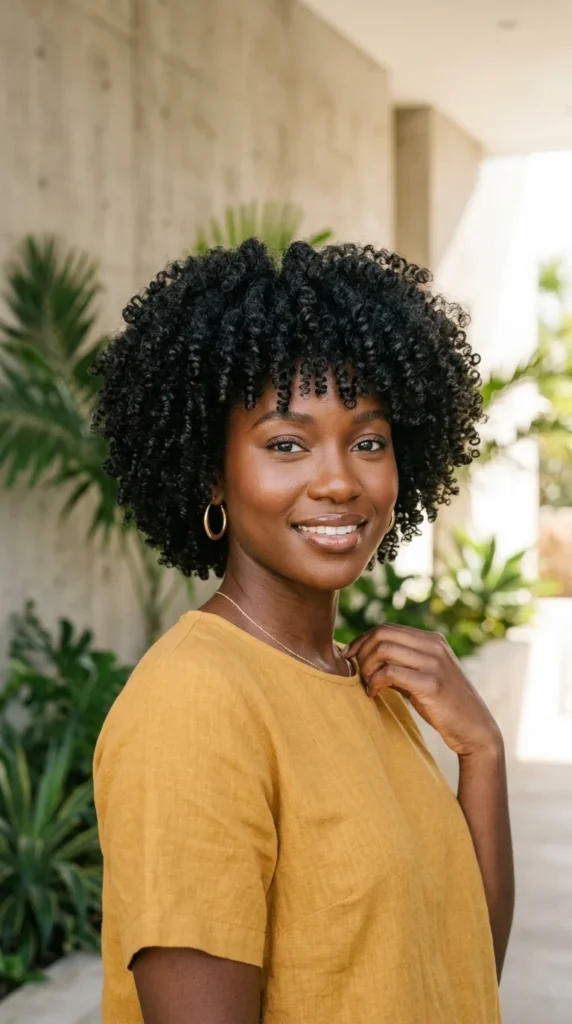
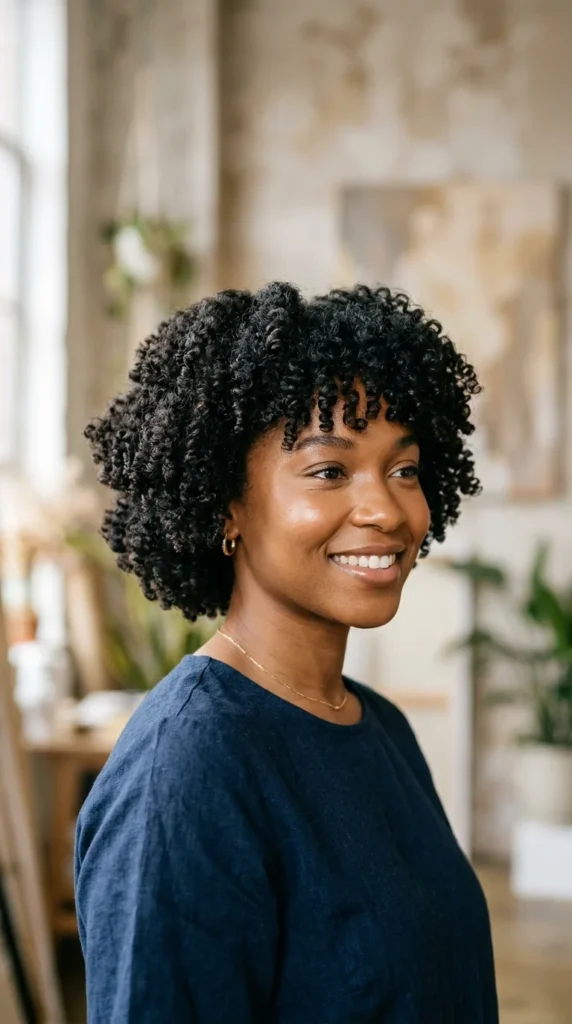
If you have thin hair that is also wavy or curly, the butterfly cut is your best friend. Curls naturally occupy more space than straight hair, and the tiered layers of the butterfly cut allow those curls to “stack” on top of one another. Instead of the curls weighing each other down and creating a “triangle” shape, the butterfly layers distribute the volume evenly from root to tip.
12. Volume Crown
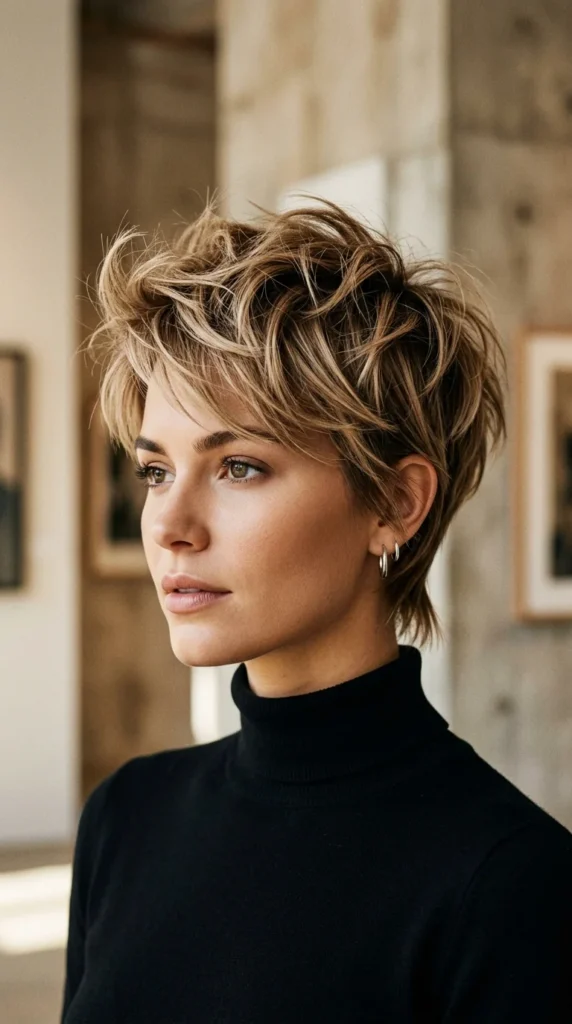
For those whose thinness is most apparent at the top of the head, the Volume Crown butterfly focuses its energy there. The layers are cut in a circular pattern around the crown, creating a “built-in” lift. When styled with a round brush, these layers create a beautiful, rounded silhouette that hides the scalp and gives the hair a bouncy, healthy appearance.
13. Tapered Back
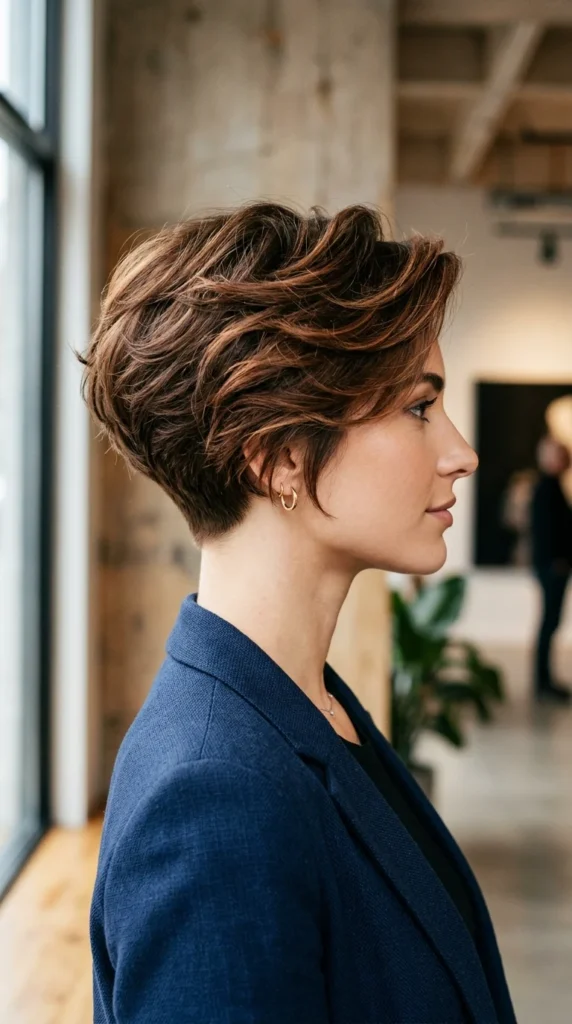
The Tapered Back butterfly cut is perfect for a professional yet stylish look. By keeping the back of the neck clean and tapered, you push all the “weight” and volume of the hair toward the front and top. This concentration of hair around the face makes your hair look much thicker than it actually is. The butterfly layers are worked into the sides and top, allowing for a soft, feminine flow that contrasts beautifully with the sharp back.