
The world of Peaky Blinders is defined by more than just razor-lined caps and smoky underground bars. While the men of the Shelby clan dominate the Birmingham skyline with their disconnected undercuts, it is the women—the Pollys, the Adas, and the Graces—who command the screen with their fierce, revolutionary hairstyles. The 1920s was a decade of rebellion, and nothing signaled a woman’s independence quite like the daring decision to chop off her locks.
The “New Woman” of the Peaky era was unapologetic. She transitioned from the restrictive Victorian updos to shorter, sleeker, and more aerodynamic cuts that mirrored her entry into the workforce and the political arena. Today, these vintage styles are making a massive comeback, offering a blend of antique charm and modern edge.
Whether you are looking for a sharp, blunt bob or the intricate elegance of finger waves, here are seven vintage Peaky Blinders-inspired haircuts that will bring a touch of the 1920s to your modern wardrobe.
1. The Blunt Bob
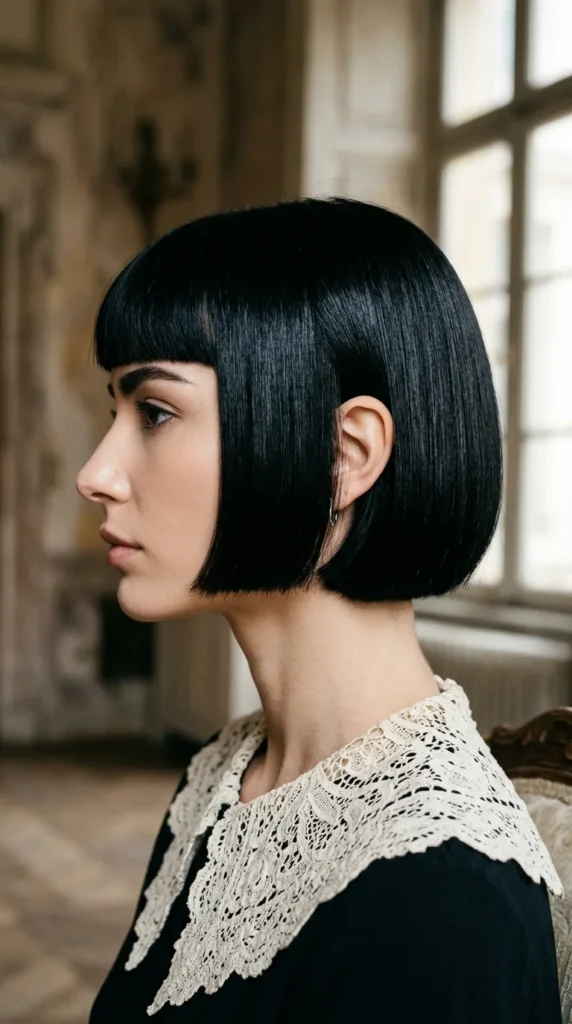
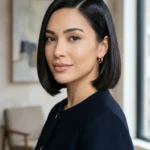
The blunt bob is the ultimate power move. Seen on many of the show’s more pragmatic characters, this cut is all about sharp lines and geometric precision. In the 1920s, the “Dutch Boy” bob became a symbol of the flapper era, signaling a departure from traditional femininity.
- The Cut: Hair is cut to a uniform length, usually hitting right at the jawline or slightly above.
- The Fringe: A heavy, straight-across bang is the signature of this look, framing the eyes and emphasizing the cheekbones.
- Styling: To achieve the Peaky look, keep the hair ultra-smooth and polished. A high-shine serum is essential to give it that “just stepped out of a 1920s salon” finish.
2. Finger Waves
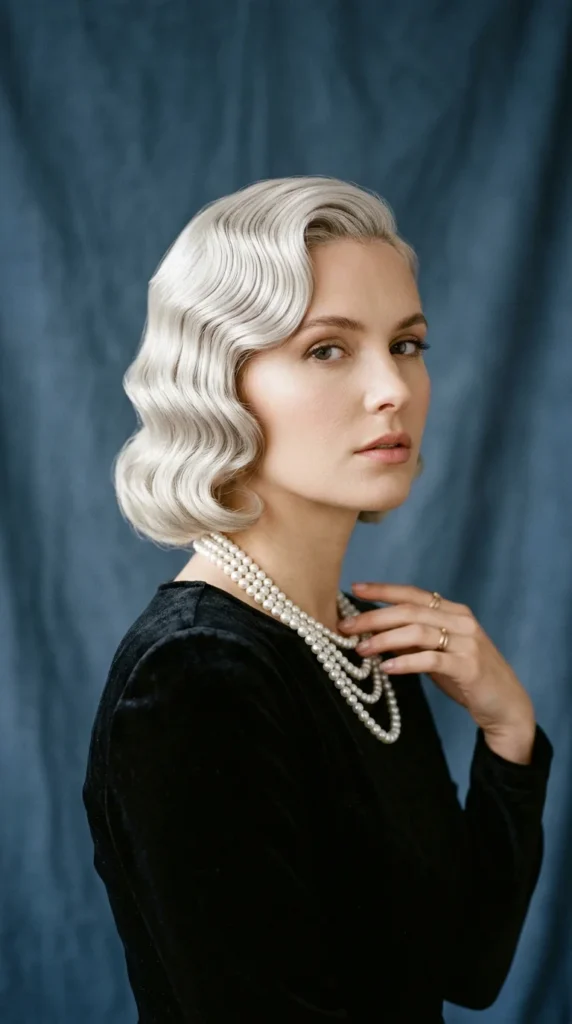
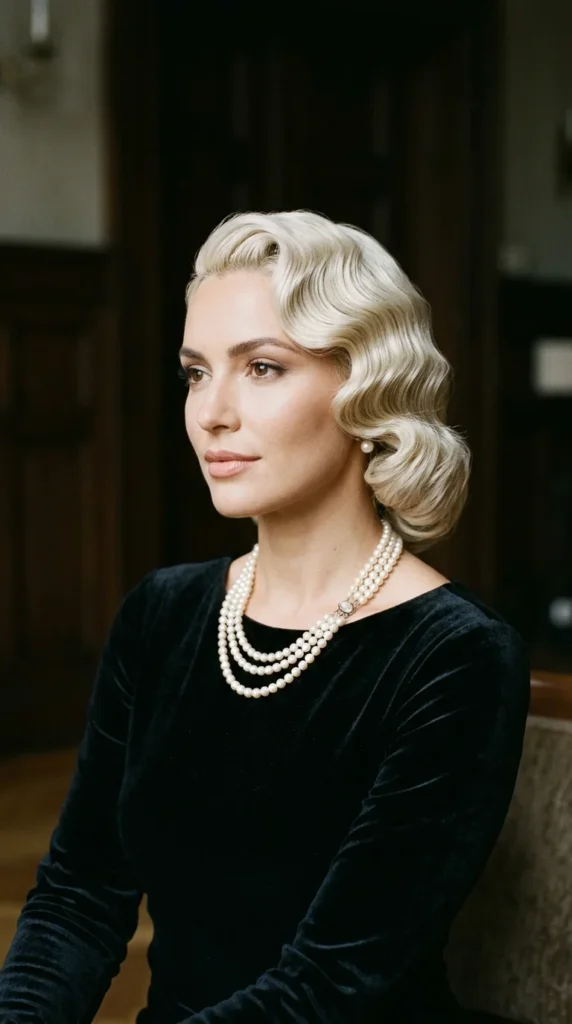
If you want the glamour of a Shelby gala, finger waves are the gold standard. This style wasn’t just a haircut; it was an art form. It characterized the “S” shape that was popular during the mid-to-late 1920s and required a steady hand and plenty of setting lotion.
- The Look: These are deep, ridges-and-valleys waves that sit flat against the head. They are perfect for shorter hair but can be adapted for mid-length cuts.
- Modern Twist: While the originals were often stiff, modern finger waves can be brushed out slightly for a softer, more wearable “old Hollywood” vibe.
- Occasion: This is the go-to style for formal events where you want to channel the high-society elegance of Grace Burgess.
3. The Eaton Crop
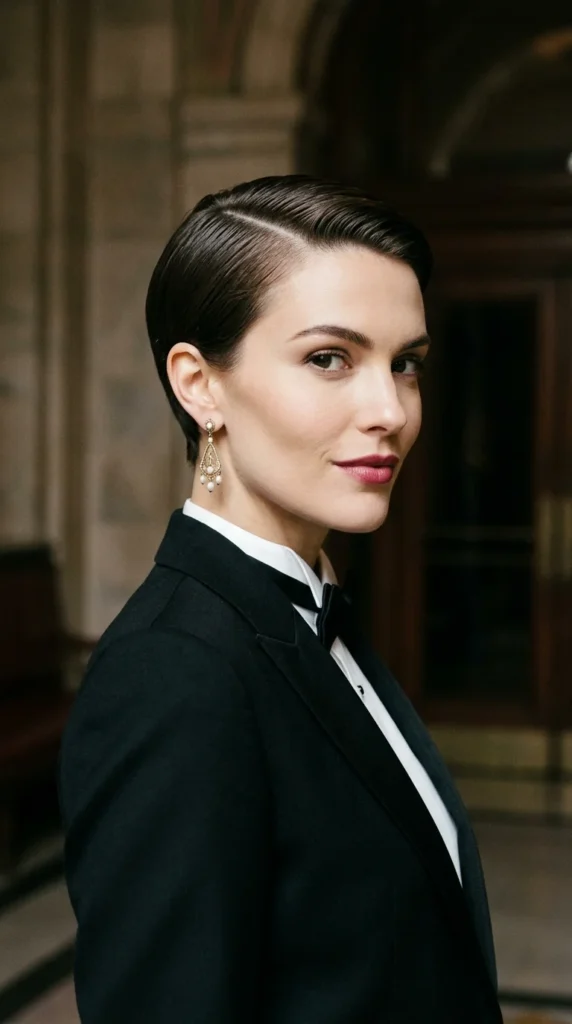
The Eaton Crop was the most daring haircut of the decade. Named after the famous British school, it was a masculine-inspired cut that women wore to challenge gender norms. It is the shortest of the 1920s styles, stripping away the “security blanket” of long hair to reveal the face in its entirety.
- The Vibe: Androgynous, bold, and sophisticated.
- The Structure: The hair is tapered very short at the back and sides, with just enough length on top to be slicked down or parted.
- Who it’s for: This cut is perfect for women who want a low-maintenance but high-impact look that screams confidence.
4. The Shingled Bob
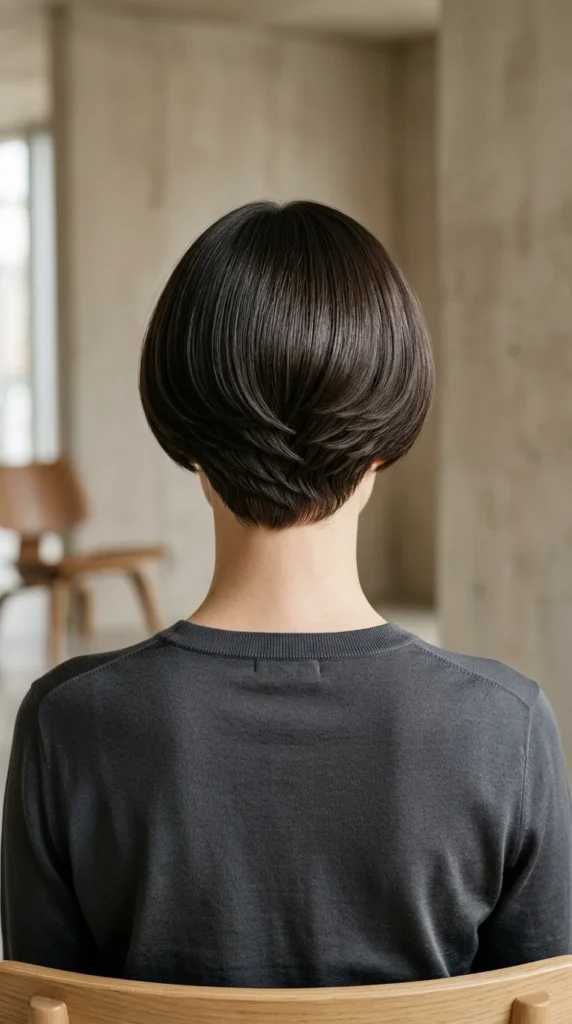
The “Shingle” was a revolutionary step in hair design. It combined the length of a bob with the tapered back of a masculine cut. This style was designed to follow the natural contour of the head, creating a sleek, sloping effect that looked incredible under the cloche hats of the period.
- The Back: The hair at the nape is cut in thin, overlapping layers (shingles) that disappear into the skin.
- The Sides: Usually left long enough to cover the ears or spit-curled onto the cheeks.
- The Silhouette: It creates a beautiful, rounded shape that emphasizes the neck and shoulders, making it a favorite for those who love wearing high-collared vintage coats.
5. Marcel Waves
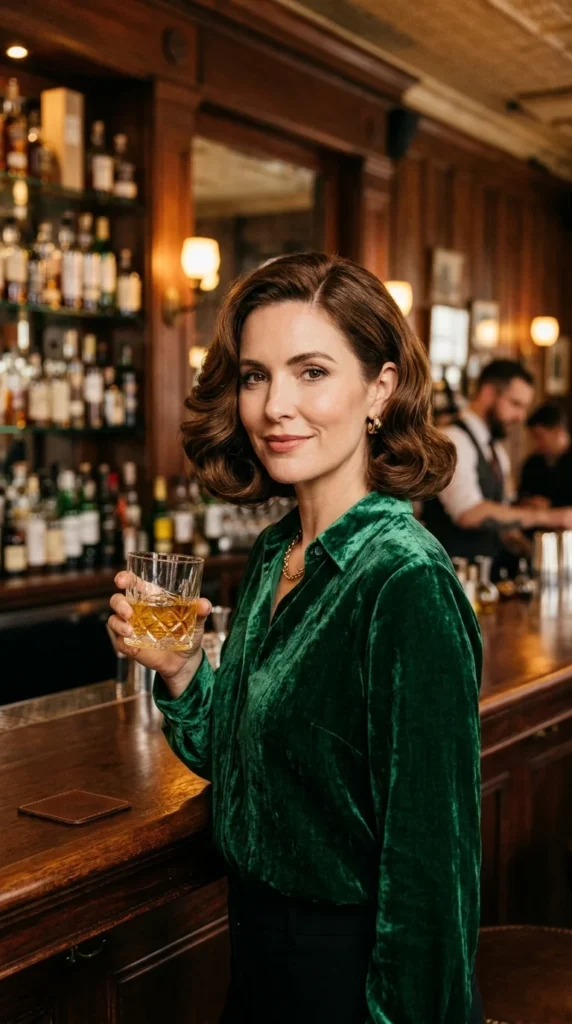
While finger waves are created with the fingers and a comb on wet hair, Marcel waves are created using heat. Named after Francois Marcel, this technique used curling irons to create a deeper, more voluminous wave that felt slightly softer and more romantic than the rigid finger wave.
- The Technique: It involves creating “troughs” and “crests” in the hair, giving it a three-dimensional texture.
- The Volume: Unlike the flat-to-the-head styles, Marcel waves have a bit of bounce and lift.
- Character Inspiration: Think of the softer side of Ada Thorne—waves that are structured yet feminine, conveying both strength and vulnerability.
6. The Side-Parted Curls
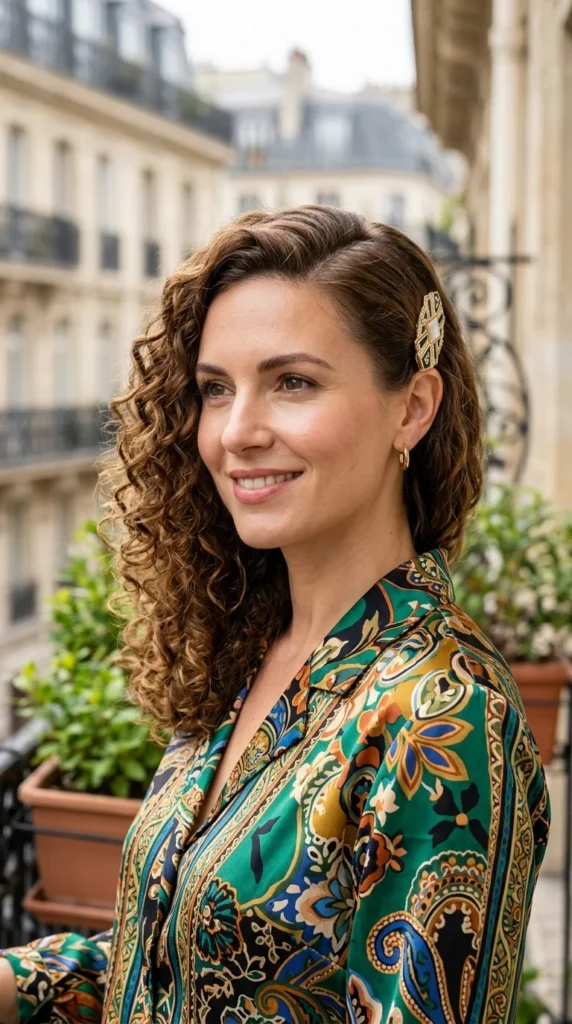
Not every woman in the 1920s went for the ultra-short crop. Many retained a bit of length but styled it to mimic the shorter trends. The side-parted curl look is perfect for those who want a Peaky Blinders aesthetic without committing to a permanent chop.
- The Parting: A deep, dramatic side part is essential. It creates a “heavy” side that can be filled with texture.
- The Texture: The hair is often curled tightly from the mid-shaft down, leaving the top relatively flat to maintain that 20s silhouette.
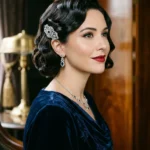
- The Accessory: This look is often paired with jeweled clips or “bobby pins” (which were actually invented in this era!) to hold the hair back on the shallow side.
7. The Tucked Faux Bob
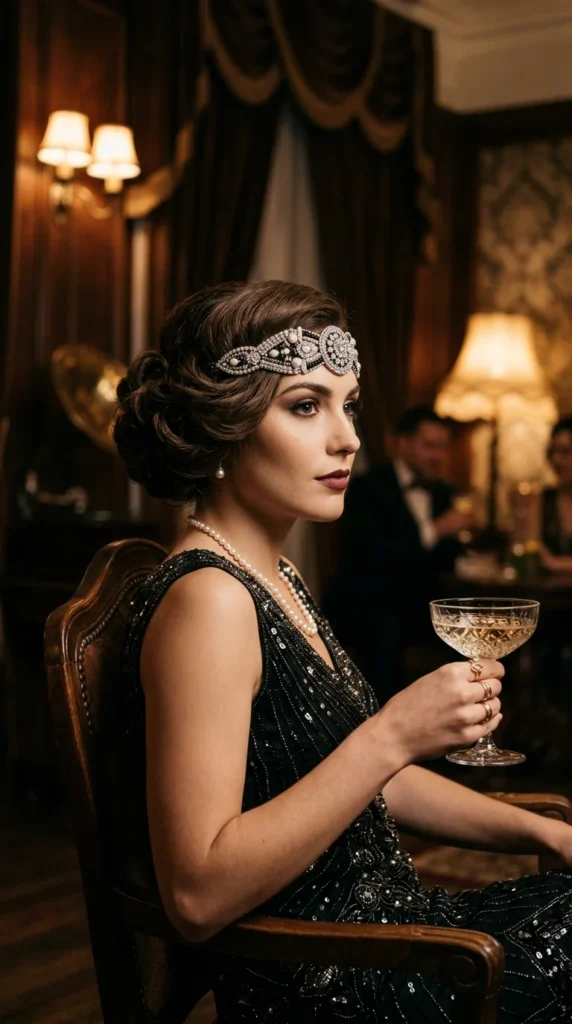
In the early seasons of Peaky Blinders, we see the transition from Edwardian long hair to the flapper bob. The “Faux Bob” was a way for women to experiment with the short hair trend before taking the plunge with the scissors.
- The Illusion: By curling the hair and pinning it up and under at the nape of the neck, you create the appearance of a thick, luxurious bob.
- The Headband: To truly sell the 1920s look, add a forehead-resting headband. This was a staple for evening wear and helps anchor the style.
- The Appeal: This is the perfect “entry-level” Peaky haircut. It allows you to inhabit the world of Small Heath for a night without losing your length.