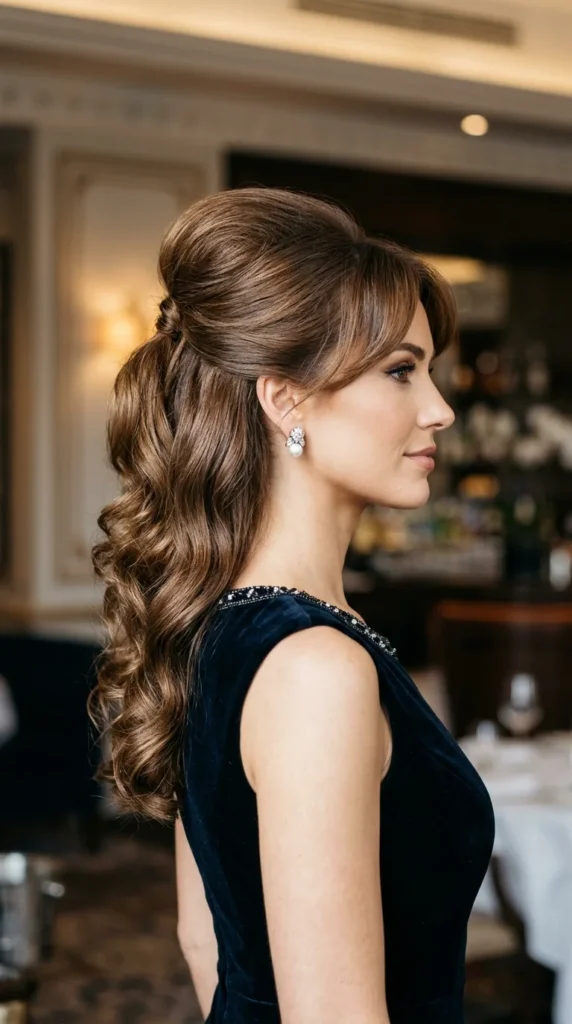

A square face shape is often considered one of the most photogenic silhouettes in the world. Characterized by a strong, well-defined jawline, a broad forehead, and cheekbones that are roughly the same width as the jaw, it exudes strength and symmetry. Think of icons like Angelina Jolie or Olivia Wilde. However, the goal for many with this face shape is to add softness and movement to balance out those striking architectural angles.
The secret to a great haircut for a square face lies in creating “optical illusions.” You want to look for styles that break up the horizontal lines of the face, add height to elongate the profile, or use soft, rounded layers to blur the sharp corners of the jaw. From romantic long waves to edgy shags, here are 22 haircuts designed specifically to flatter and soften square features.
1. Long Layers
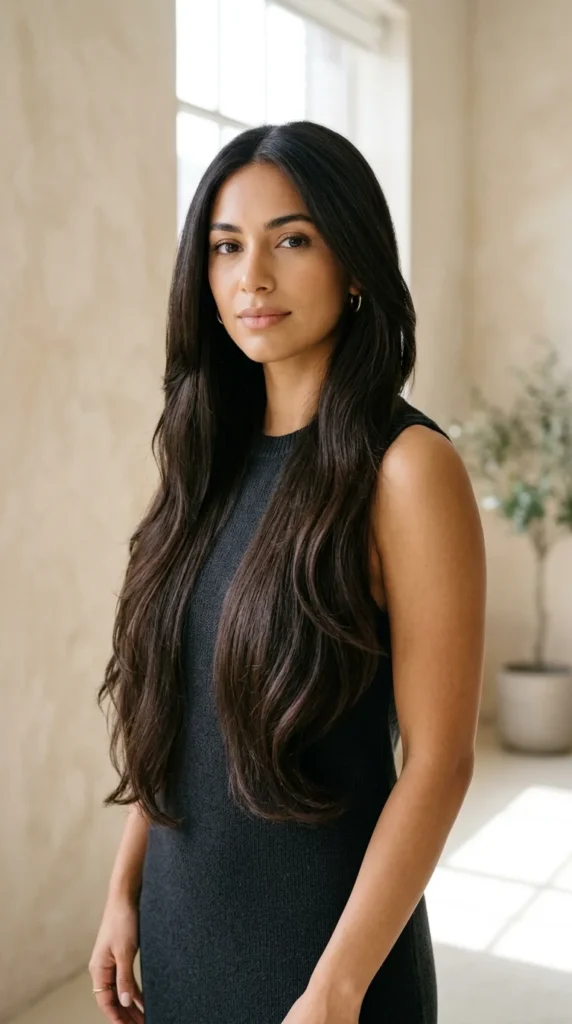
Long layers are a classic choice for a reason. By starting the layers below the jawline, you draw the eye downward, effectively elongating the face. This prevents the hair from looking “boxy” around the chin. When the hair is all one length, it can act as a frame that highlights the squareness of the jaw; layers break that frame, providing a fluid, vertical movement that softens the overall appearance.
2. Textured Lob
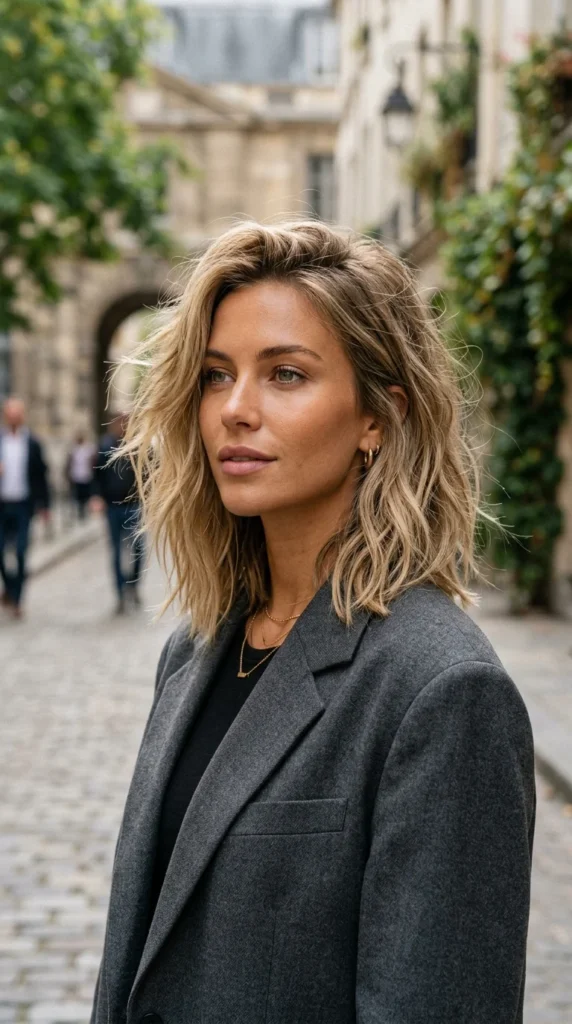
The “Lob” (long bob) is the gold standard for square faces, provided it hits just below the jawline. A textured lob uses internal thinning and point-cutting techniques to create a “shattered” look at the ends. This prevents a heavy horizontal line from forming right at the jaw. The ruffled texture adds volume at the sides and top, distracting from the symmetry of a square face and adding a playful, youthful vibe.
3. Curtain Bangs

Curtain bangs are a square face’s best friend. Because they part in the center and sweep outward, they create a diagonal line across the forehead, which helps to minimize its width. Furthermore, the way they taper down toward the cheekbones adds a rounded element to the upper half of the face, perfectly balancing the sharpness of the lower jaw.
4. Wispy Fringe
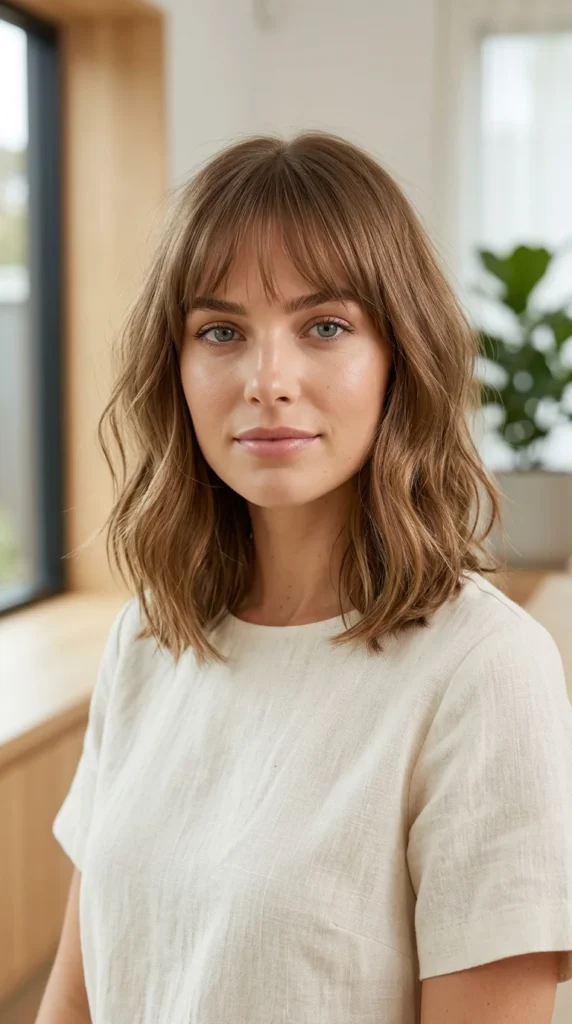
Unlike blunt, heavy bangs—which can make a square face look shorter and wider—a wispy fringe is light and airy. It allows the forehead to peek through, which prevents the face from being “cut off” horizontally. This style adds a touch of softness to the forehead and draws attention to the eyes, shifting the focus away from the jawline.
5. Deep Side Part
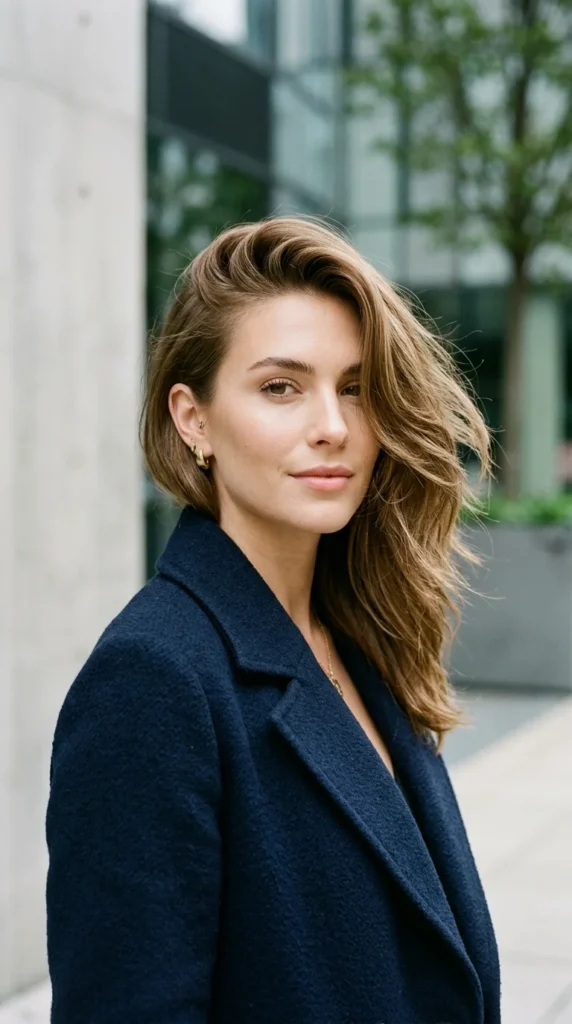
Changing your part is perhaps the easiest “haircut” hack. A deep side part breaks up the symmetry that defines a square face. By shifting the volume to one side, you create an asymmetrical silhouette that creates an illusion of roundness. This move offsets the corners of the forehead and jaw, making the facial structure appear more oval.
6. Angled Bob
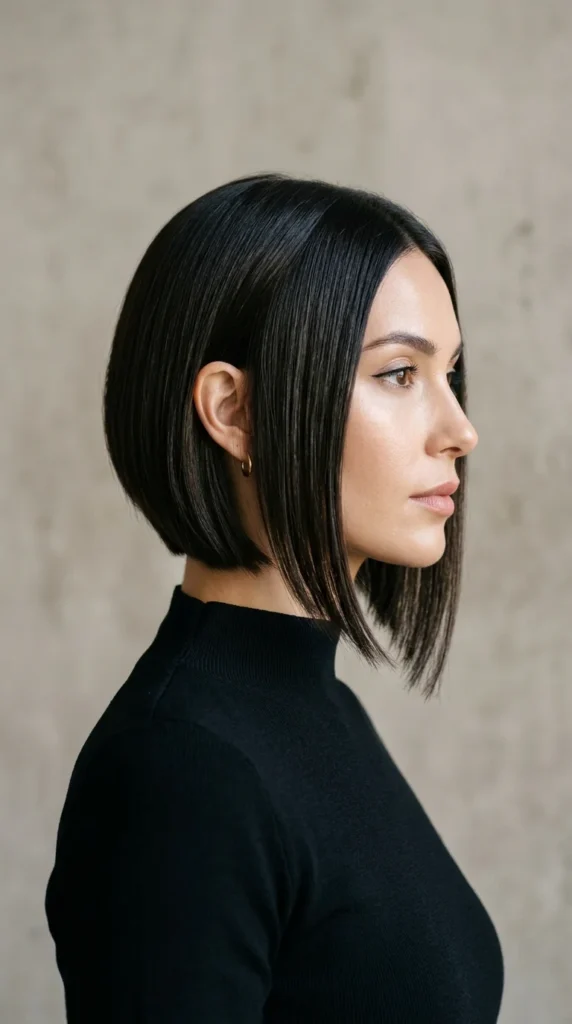
An angled bob (or A-line bob) should always be cut so that the front pieces end at least an inch or two below the jawline. The forward-slanting line of the cut creates a downward pull for the eyes, which elongates the face. Avoid bobs that end right at the chin, as these will only emphasize the width of the jaw.
7. Shaggy Pixie
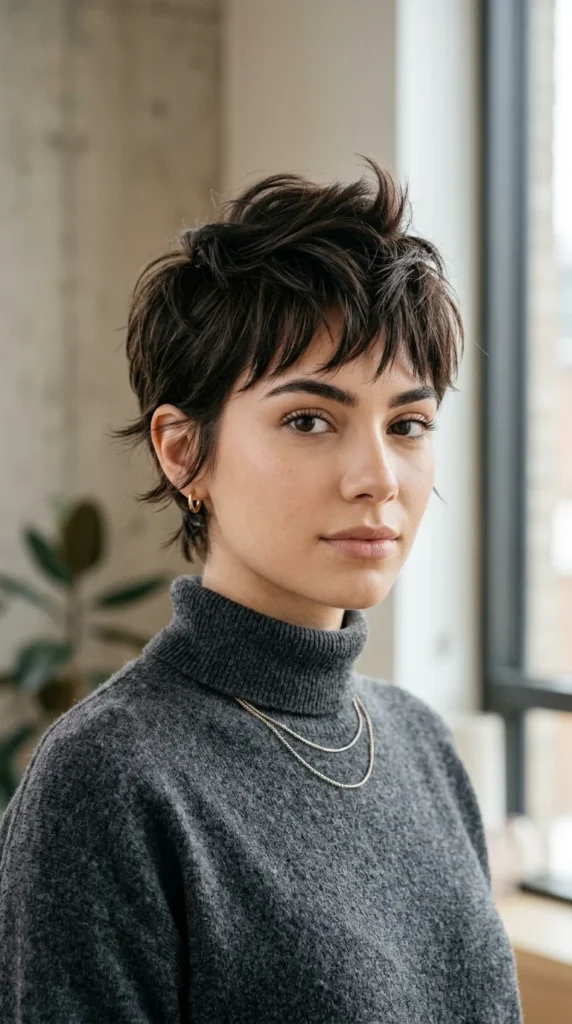
A pixie cut for a square face shouldn’t be too manicured or flat. A shaggy pixie uses lots of crown volume and wispy, feathered edges to soften the face. By keeping the sides close and adding height at the top, you create a vertical focus that balances the width of the jaw. The “piecey” nature of the cut prevents any harsh lines from forming.
8. Beach Waves
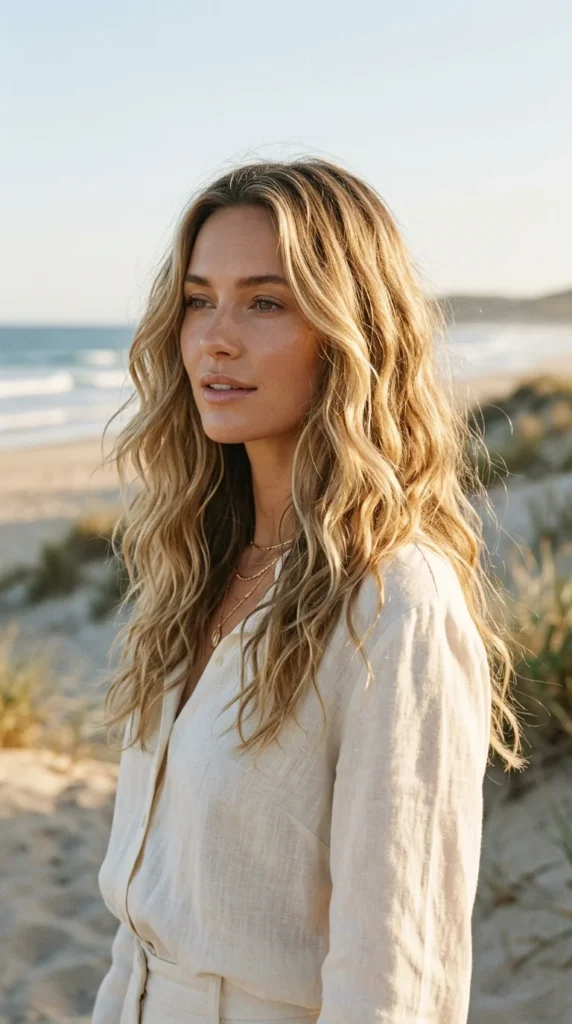
The organic, undulating shape of beach waves is the perfect antidote to the straight lines of a square face. Waves add “roundness” through volume and curve. By styling your hair with a large-barrel iron or sea salt spray, you create a soft cloud of hair that masks the sharp angles of the jaw, giving the face a more romantic, delicate look.
9. Face-Framing Tendrils
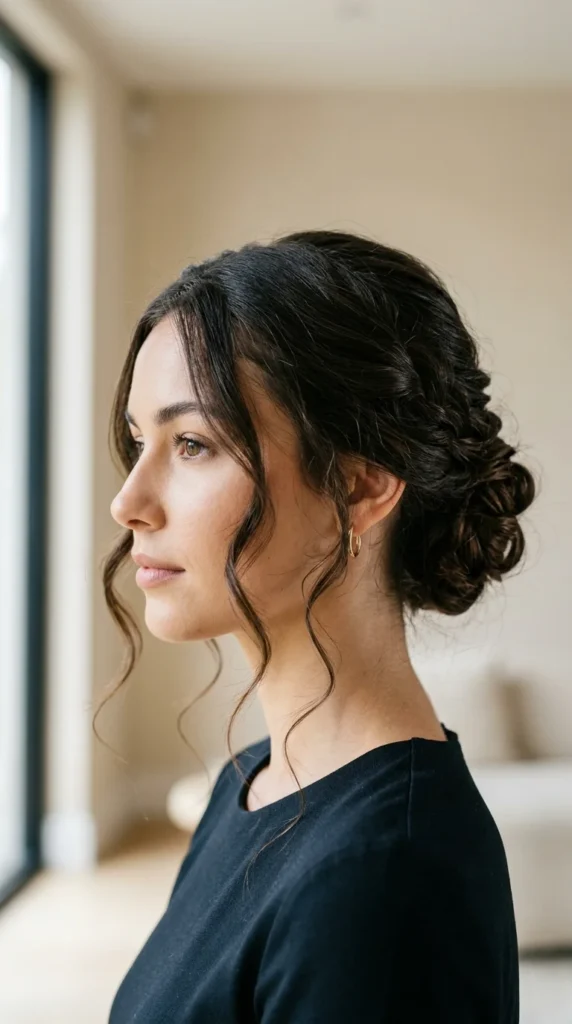
Whether you’re wearing your hair up or down, face-framing tendrils are essential. These small sections of hair, usually cut to hit around the cheekbones or just below the jaw, act as a “soft focus” lens for your face. They break up the wide planes of the face and add a touch of movement that prevents the jawline from looking too prominent.
10. Side-Swept Bangs
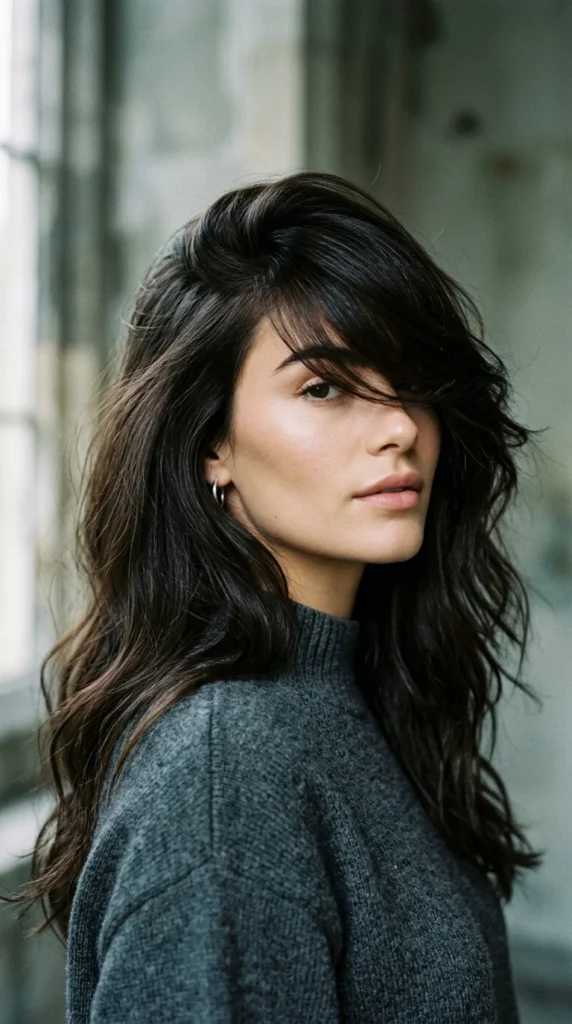
Side-swept bangs work similarly to a side part but with more permanence and style. By sweeping the hair across the forehead at a diagonal angle, you create a new focal point that cuts the squareness of the forehead. This diagonal line is incredibly flattering as it softens the overall geometry of the face.
11. Voluminous Curls
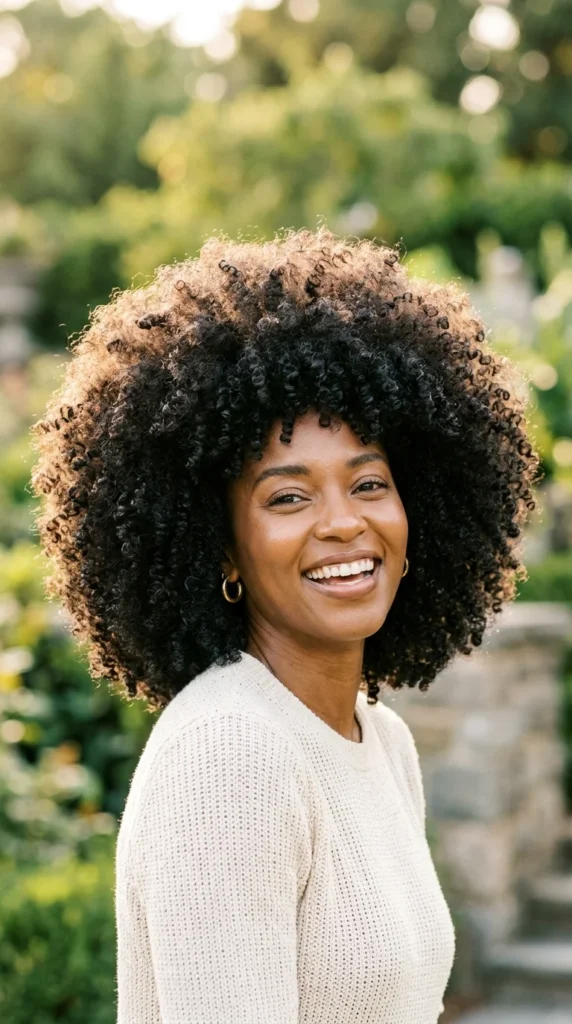
Curls are naturally round, which makes them the ideal counterpoint to a square face. If you have natural curls, embrace the volume! A rounded shape or a “lion’s mane” style helps to fill in the areas around the jaw and forehead, creating a softer, more circular frame for your features.
12. Asymmetrical Cut
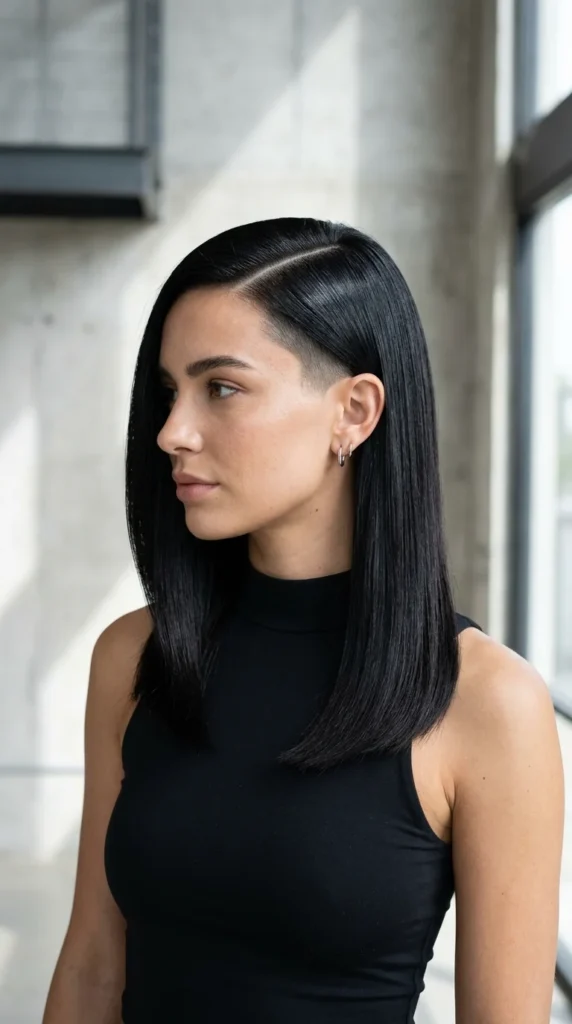
Asymmetry is a powerful tool for square faces. By having one side longer than the other, you disrupt the natural “box” shape of the face. This imbalance forces the eye to move in different directions, which disguises the strong, symmetrical lines of the jaw and forehead.
13. Internal Layering
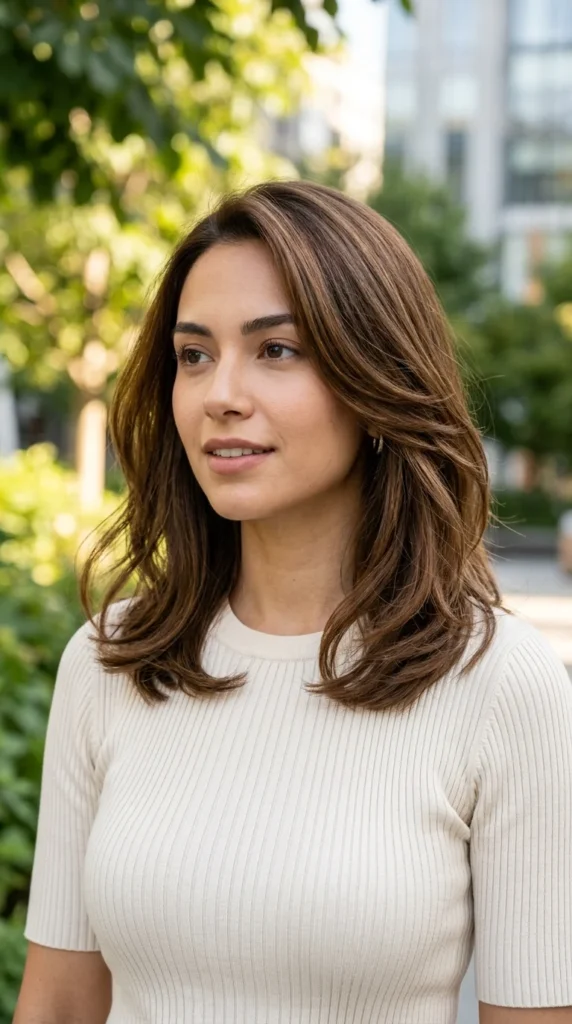
Sometimes the best layers are the ones you can’t see. Internal layering (also called “ghost layers”) removes bulk from the mid-lengths of the hair without changing the perimeter. For square faces, this prevents the hair from looking too heavy or “triangular” at the bottom, which can often happen with thick hair, making the jaw look wider than it is.
14. Soft Blunt Cut
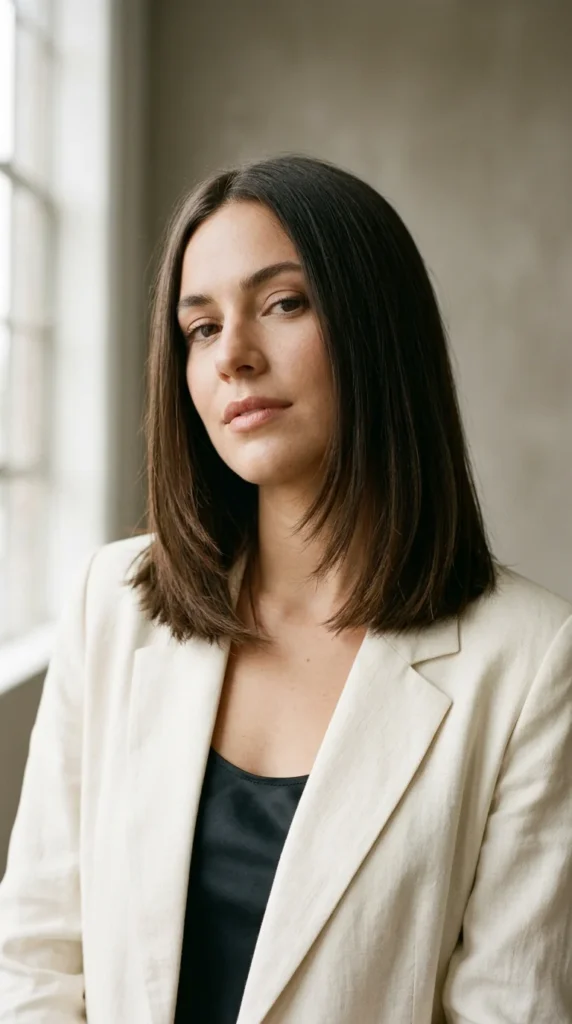
While “blunt” usually means sharp, a soft blunt cut involves taking the weight out of the very tips of the hair. This creates a line that is straight but not harsh. When this cut falls below the shoulders, it provides a clean, sophisticated frame that isn’t as aggressive as a razor-straight edge, making it much more wearable for square shapes.
15. Tapered Ends
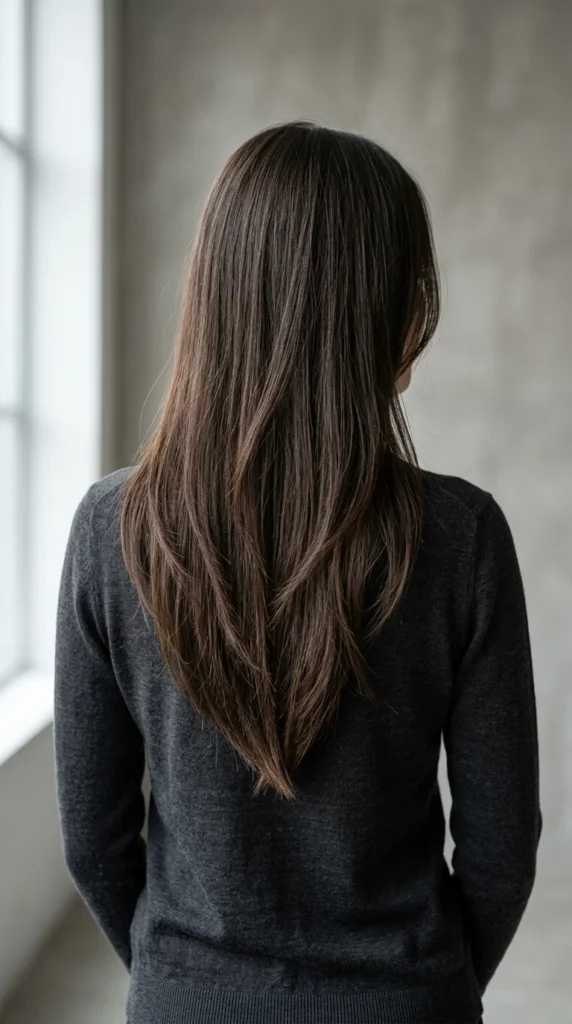
Tapering the ends of the hair ensures that the widest part of your hairstyle isn’t sitting at the same level as your jaw. By narrowing the hair toward the ends, you create a sleek, slimming effect that draws the eye down toward the chest, effectively lengthening the appearance of the neck and face.
16. Mid-Length Shag
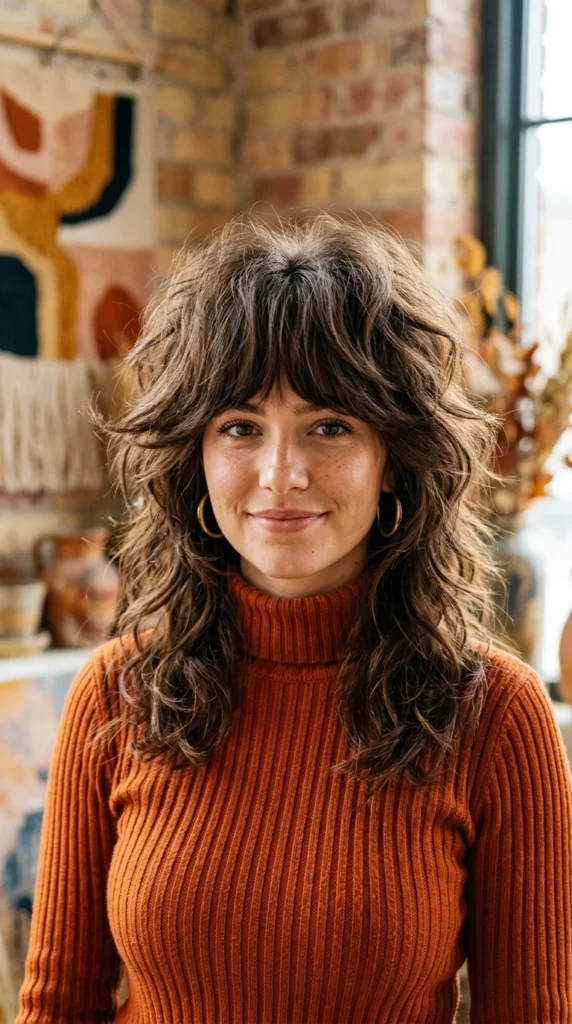
The shag is all about texture and “messy” lines. Because it features layers of varying lengths—often starting as high as the cheekbones—it creates a lot of activity around the face. This activity distracts from the corners of the jaw and adds a soft, voluminous quality that rounds out the face’s overall look.
17. Wispy Bob

If you want a shorter look, a wispy bob is much better than a blunt one. By keeping the ends light and using a round brush to curve them slightly inward (or outward), you break the horizontal line at the chin. This creates a softer transition between the hair and the face.
18. High Volume Crown
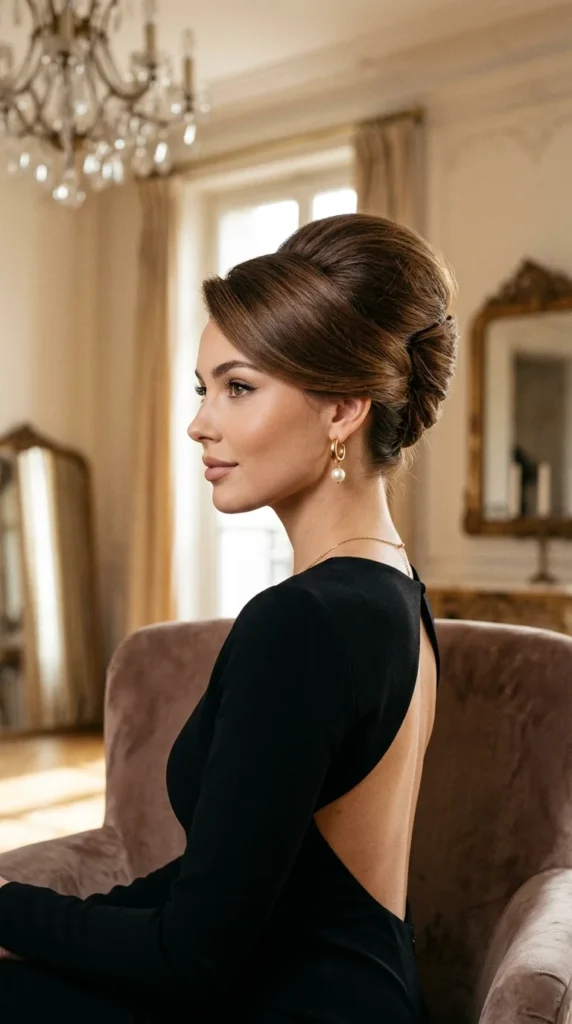
Adding height at the crown is one of the most effective ways to elongate a square face. By drawing the eye upward, you change the proportions of the face, making it look more like an oval than a square. This can be achieved through layering or simply backcombing the hair at the roots.
19. Piecey Pixie
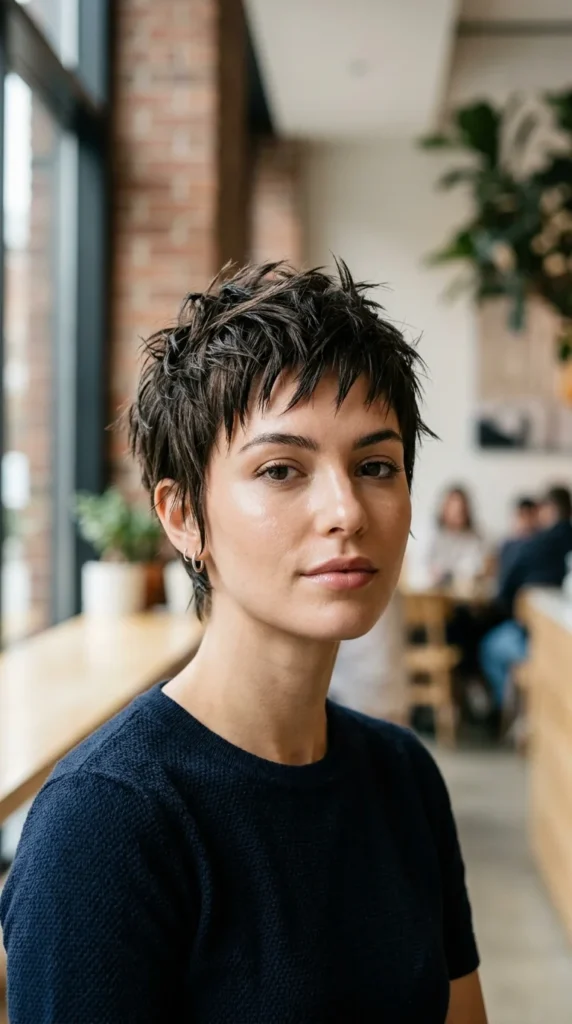
A “piecey” texture means the hair is separated into distinct sections rather than being one solid mass. For square faces, this prevents the hair from forming a solid frame. The “jagged” edges of a piecey pixie help to blur the hairline and the jawline, providing a modern, softened look.
20. Feathered Layers
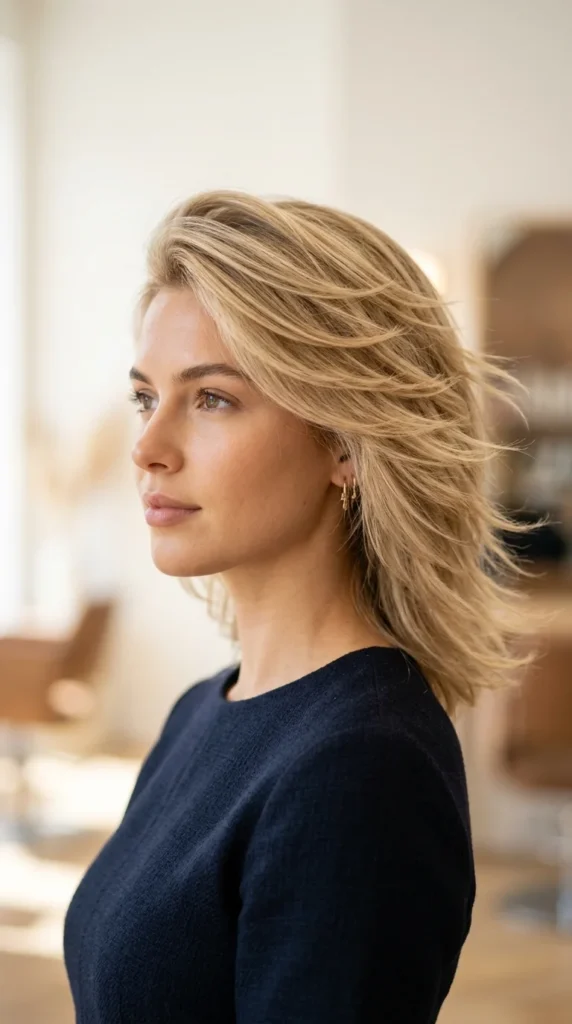
Feathered layers (popularized in the 80s and making a huge comeback) involve cutting the hair at an angle that allows it to sweep back smoothly. This “swept-back” motion is excellent for square faces because it opens up the face while the soft, feathered edges provide a gentle contrast to a strong jaw.
21. Rounded Fringe
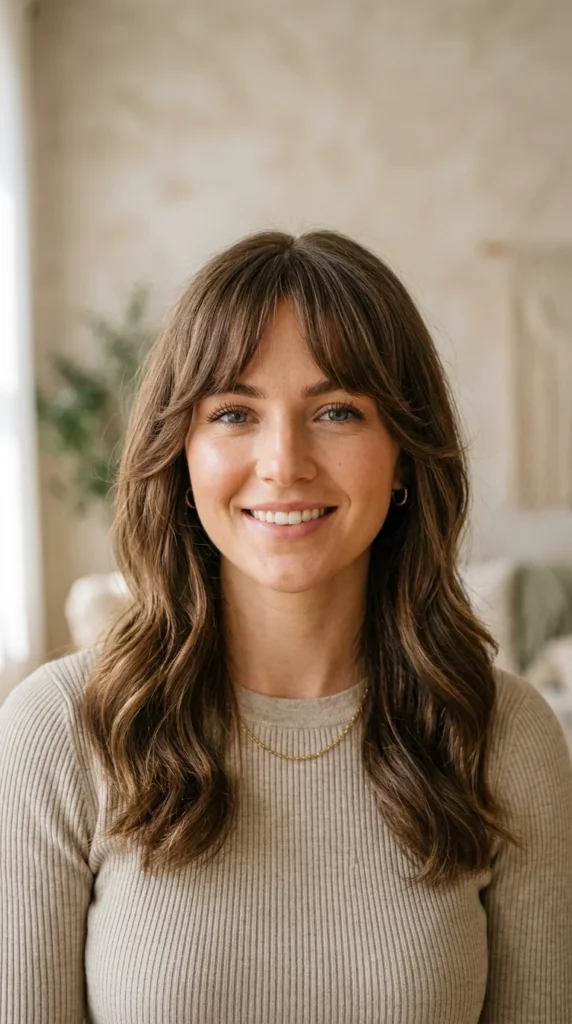
Unlike a straight-across fringe, a rounded fringe follows the natural curve of the brow and then dips down at the temples. This horseshoe shape is incredibly effective at “rounding off” the top corners of a square face, creating a much softer and more feminine silhouette.
22. Layered Midi Cut
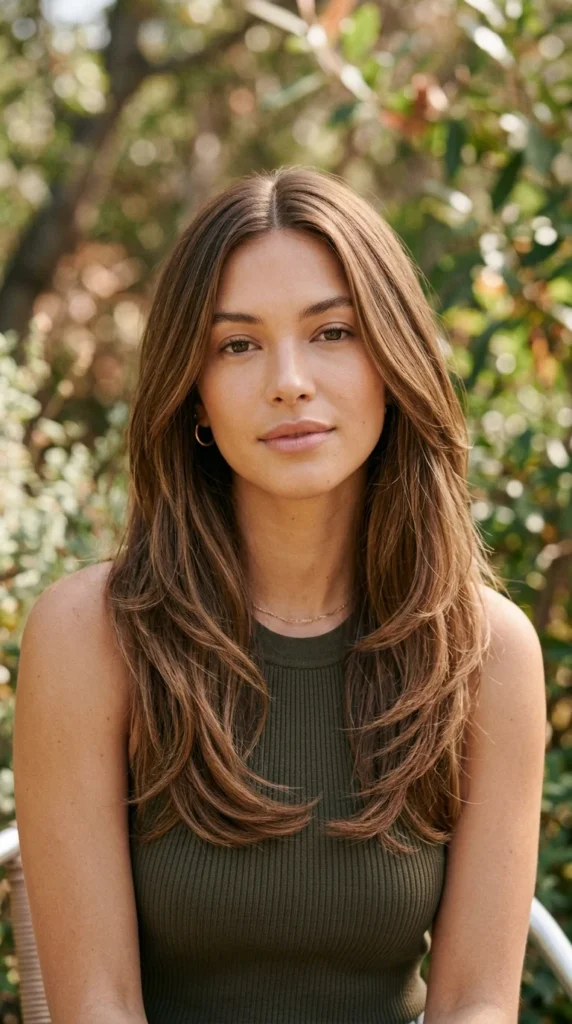
The “Midi” cut is the perfect middle ground. It’s long enough to provide the weight needed to pull the eyes down, but short enough to be manageable. By adding layers throughout the length, you ensure that there is constant movement around the jawline, which keeps the focus on your eyes and smile rather than the angles of your face.