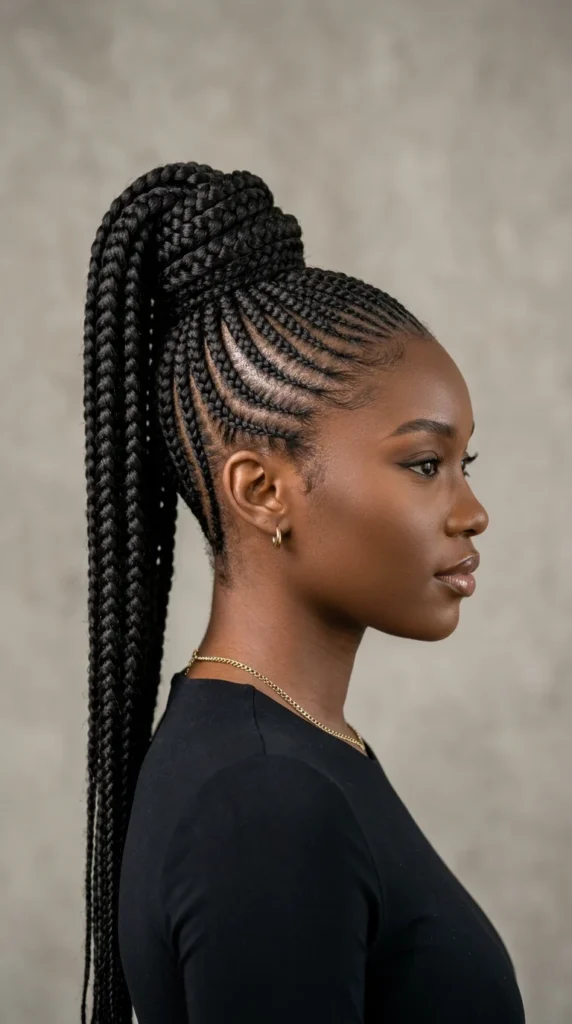

Cornrows are more than just a protective hairstyle; they are a canvas for architectural artistry. In recent years, the evolution of “precision braiding” has pushed the boundaries of what can be achieved with a comb and steady hands. From the mathematical perfection of stitch braids to the whimsical geometry of heart-shaped parts, these styles offer a blend of cultural heritage and high-fashion aesthetics. If you are looking for your next salon inspiration, these 17 precision cornrow styles represent the pinnacle of modern braiding techniques.
1. Straight-Backs
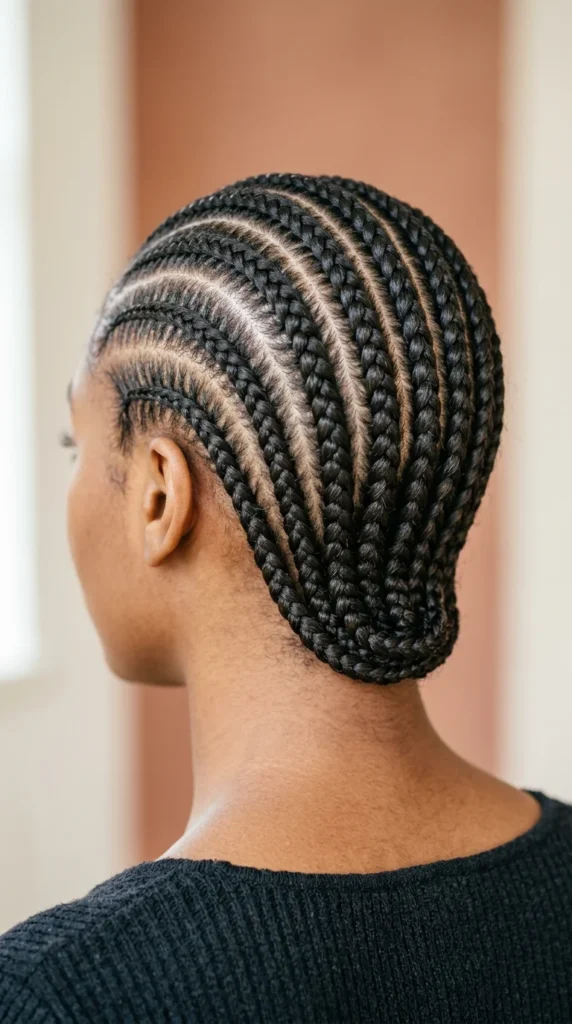
The classic straight-back cornrow is the foundation of all braided styles, but the “precision” version elevates it to a luxury level. The key here is the scalp hygiene and the uniformity of the braid width. Each braid must be an exact mirror of its neighbor, creating a streamlined, sporty, and sophisticated look that highlights the wearer’s facial features.
2. Stitch Braids
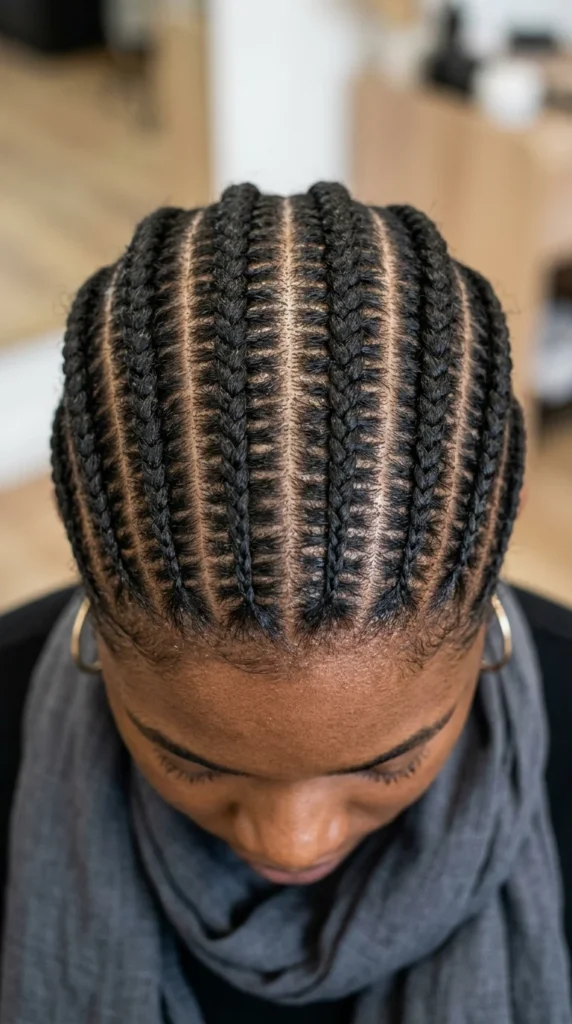
Stitch braids are the gold standard of precision. This technique involves using the pinky nail or a rat-tail comb to create horizontal lines (stitches) as you feed hair into the braid. This results in a ribbed texture that looks incredibly intentional and sharp. It is a favorite for those who want their braids to look “fresh” for longer.
3. Zig-Zag Parts
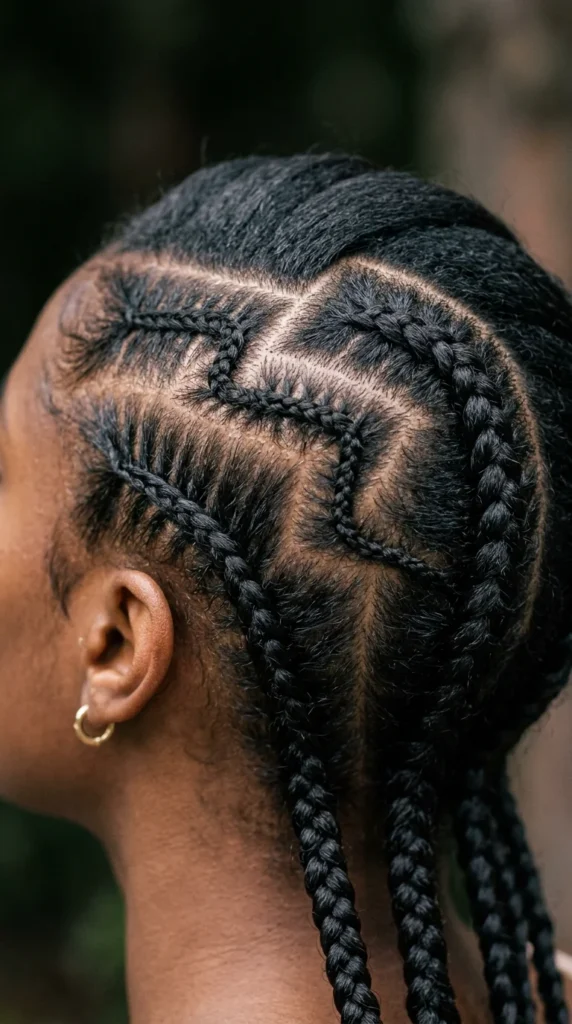
Moving away from linear aesthetics, zig-zag parts add a playful, high-energy vibe to the hair. Achieving precision in a zig-zag requires an expert hand to ensure the angles are consistent across the entire head. This style is often paired with smaller braids to allow the complexity of the parting to take center stage.
4. Feed-In Ponytail
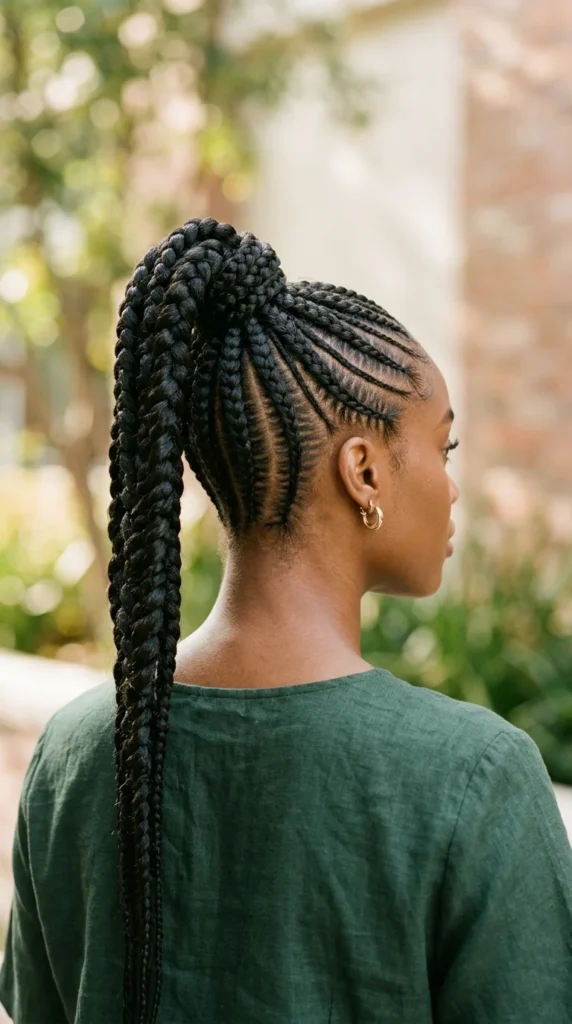
The cornrow ponytail is a versatile powerhouse. The precision lies in the “feed-in” method, where extensions are added gradually to create a natural-looking transition from thin to thick. The braids converge at a single point on the crown, requiring perfect tension to avoid lumps or unevenness.
5. Fulani Braids
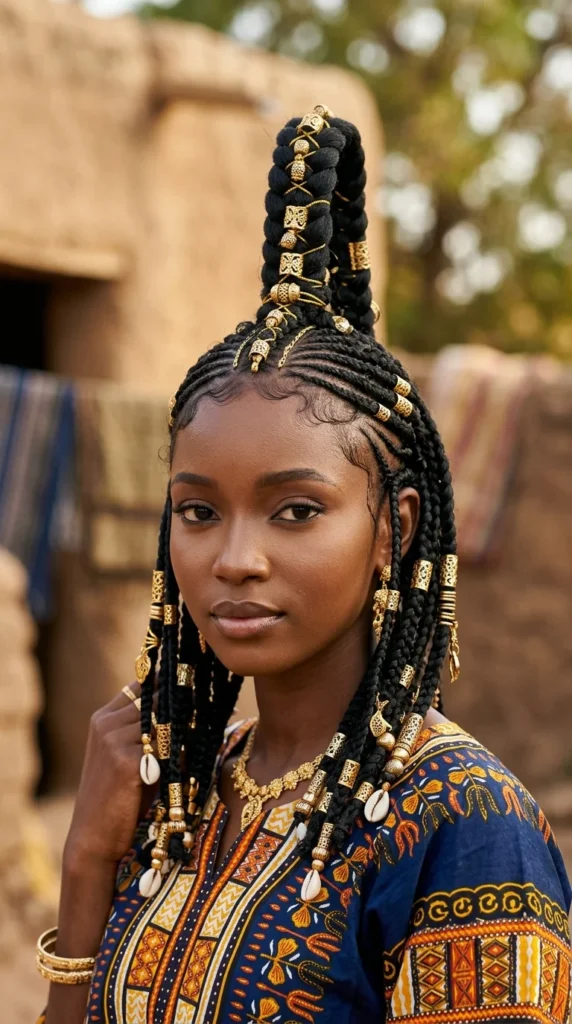
Named after the Fula people of West Africa, Fulani braids are a masterclass in decorative precision. This style typically features a central cornrow, side braids that hang forward past the ears, and often a few “backwards” braids. When executed with precision, the symmetry between the left and right sides creates a regal, balanced silhouette.
6. Geometric Stars
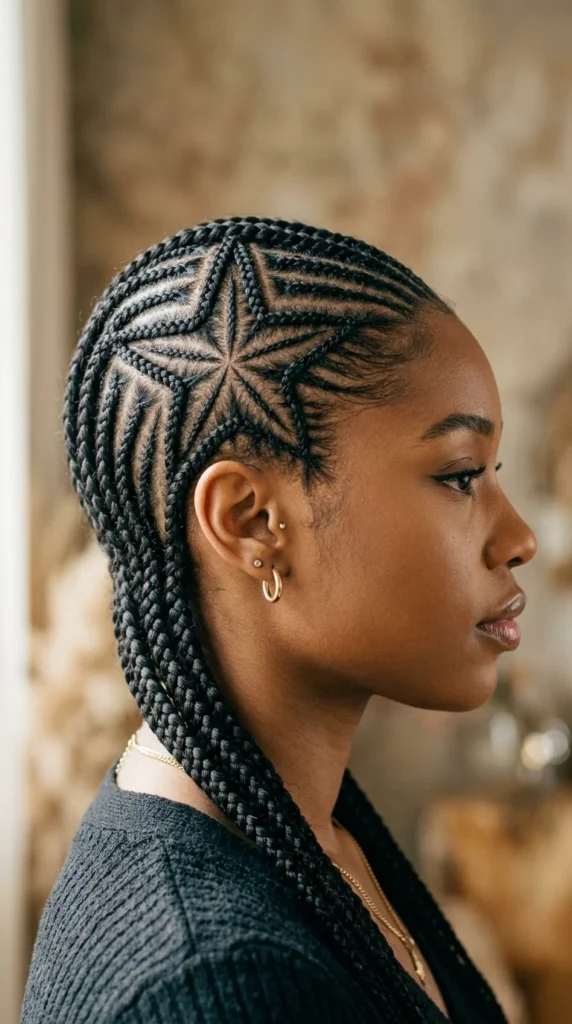
For those who view their hair as a literal piece of art, geometric designs like stars or diamonds are the ultimate choice. This requires a “map” of the scalp before the braiding even begins. The precision of the points and the cleanliness of the interior parts determine the success of this high-impact look.
7. Goddess Cornrows
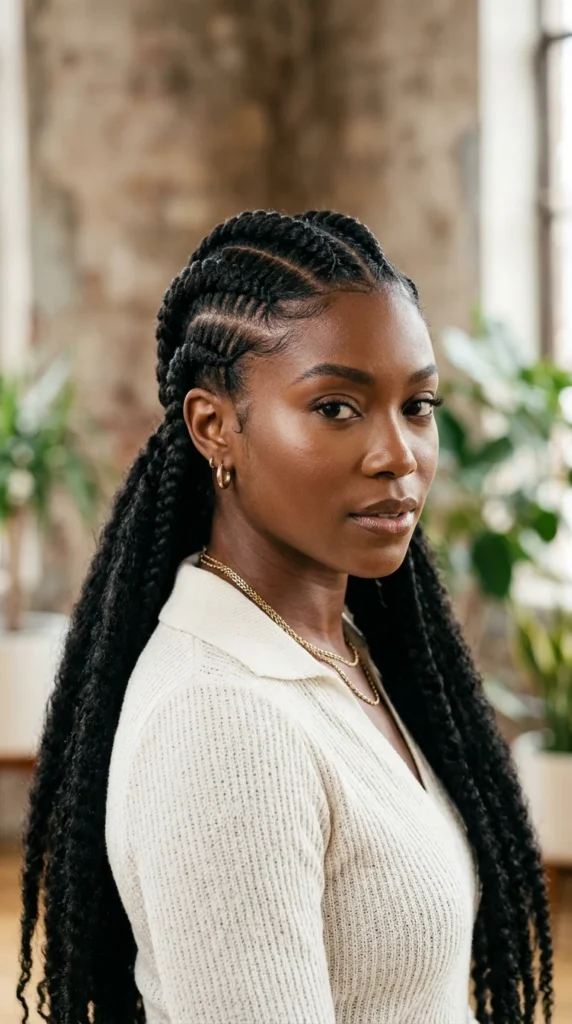
Goddess cornrows are thicker and more voluminous than standard braids. The precision here is found in the “underhand” braiding technique which makes the braid sit prominently on top of the scalp. Despite their size, the parts must remain razor-thin to maintain the professional, “precision” aesthetic.
8. Snake Braids
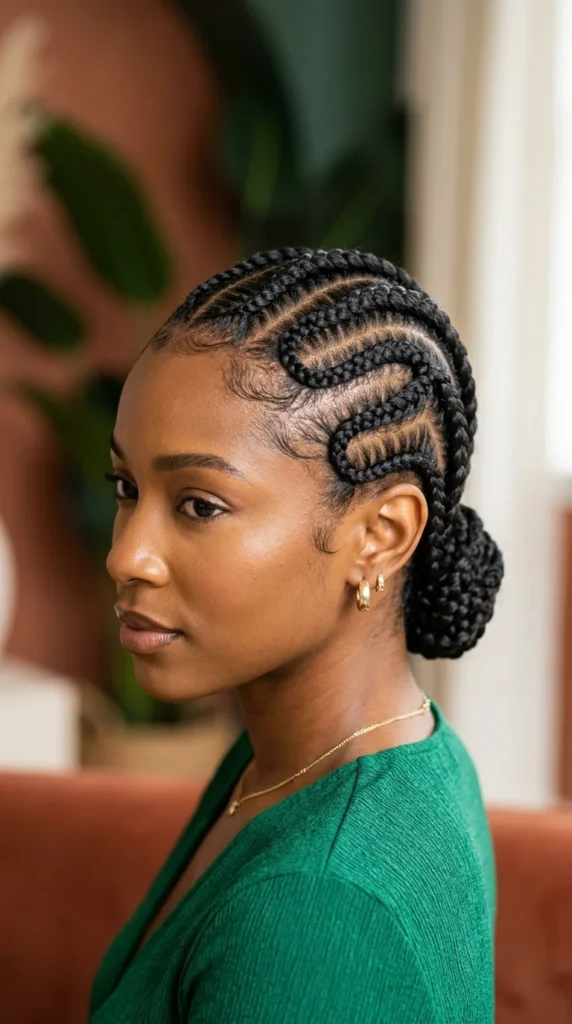
Snake braids abandon the rigid lines of traditional cornrows in favor of fluid, organic curves. The challenge of this style is maintaining consistent tension while navigating the curves of the head. When done correctly, the hair looks like a flowing sculpture that catches the light differently from every angle.
9. Heart Parts
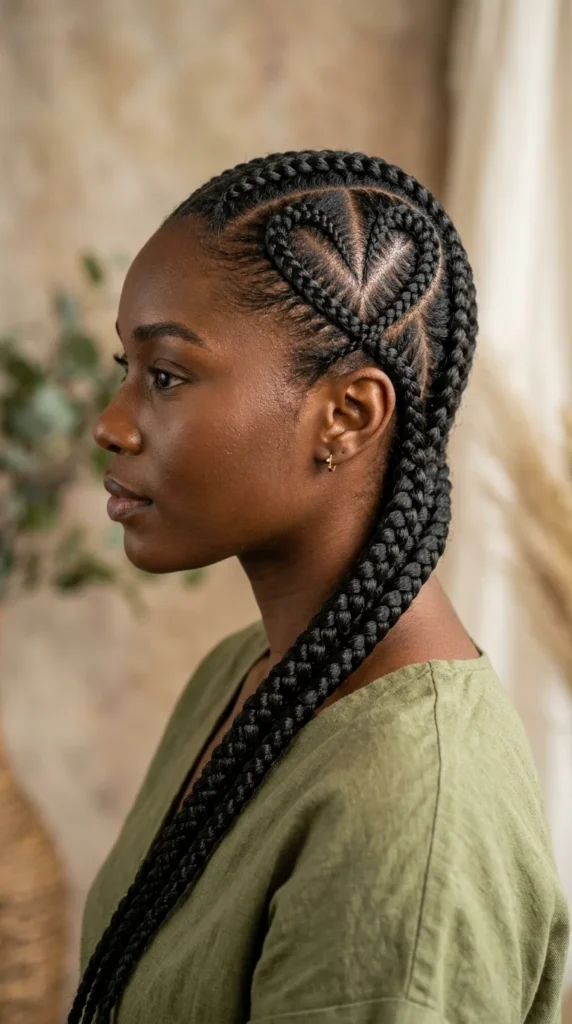
The heart-shaped cornrow has become a viral sensation for a reason. It is the ultimate display of a braider’s skill. Usually placed at the temple or the back of the head, the heart must be perfectly proportioned to look intentional rather than accidental. It’s a romantic, trendy addition to any braided layout.
10. Side-Swept Layers
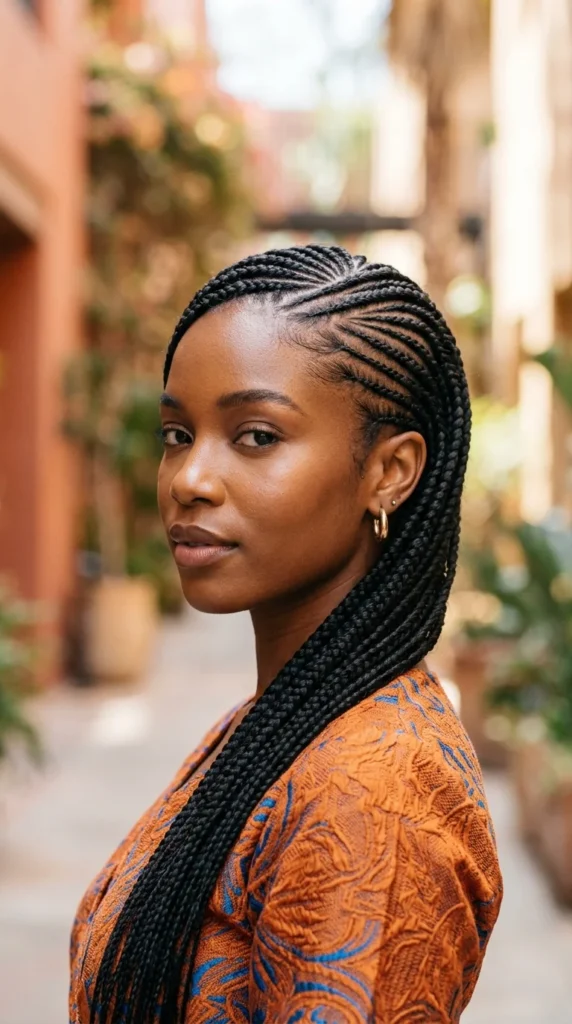
Side-swept cornrows offer a more “glam” approach to braids, often mimicking the look of a deep side-parted hairstyle. Precision is key in the diagonal parting, ensuring that each braid flows at the exact same angle to create a cohesive “waterfall” effect across the scalp.
11. Micro-Cornrows
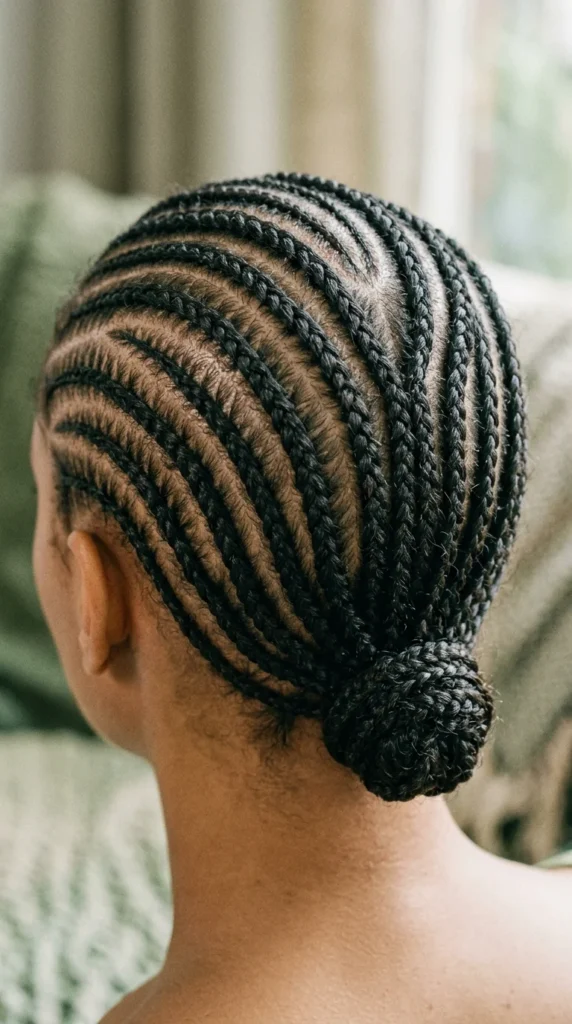
Micro-cornrows are for the patient. These tiny braids require hours of meticulous work but result in a look that is both delicate and incredibly durable. The precision is found in the sheer scale of the work—keeping dozens of tiny braids uniform in size and tension is a feat of endurance and skill.
12. Alternating Widths
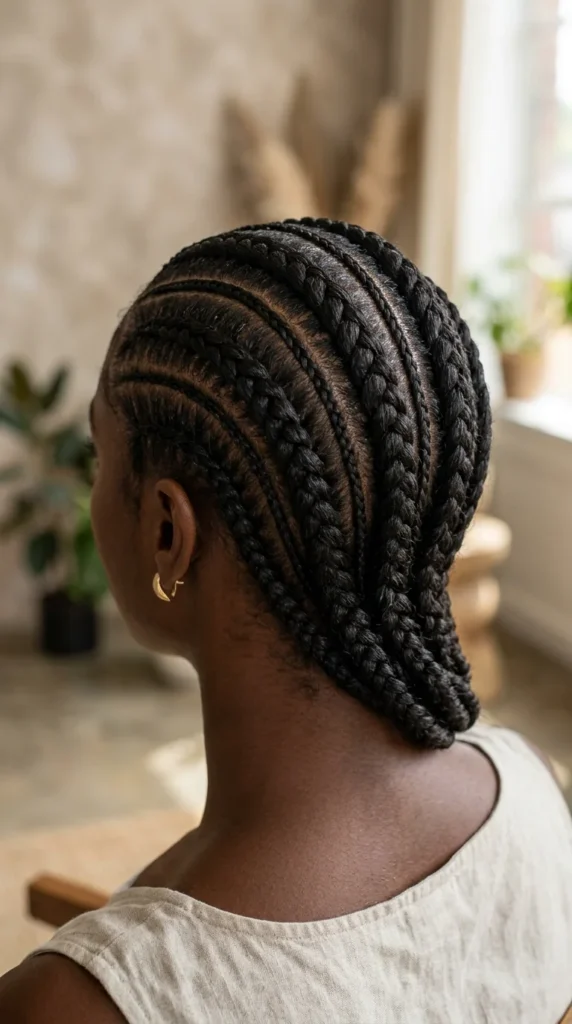
Also known as “thick and thin” braids, this style uses contrast to create visual interest. The precision lies in the spacing; the thin filler braids must be perfectly centered between the larger braids to prevent the scalp from looking cluttered or unbalanced.
13. Criss-Cross Designs
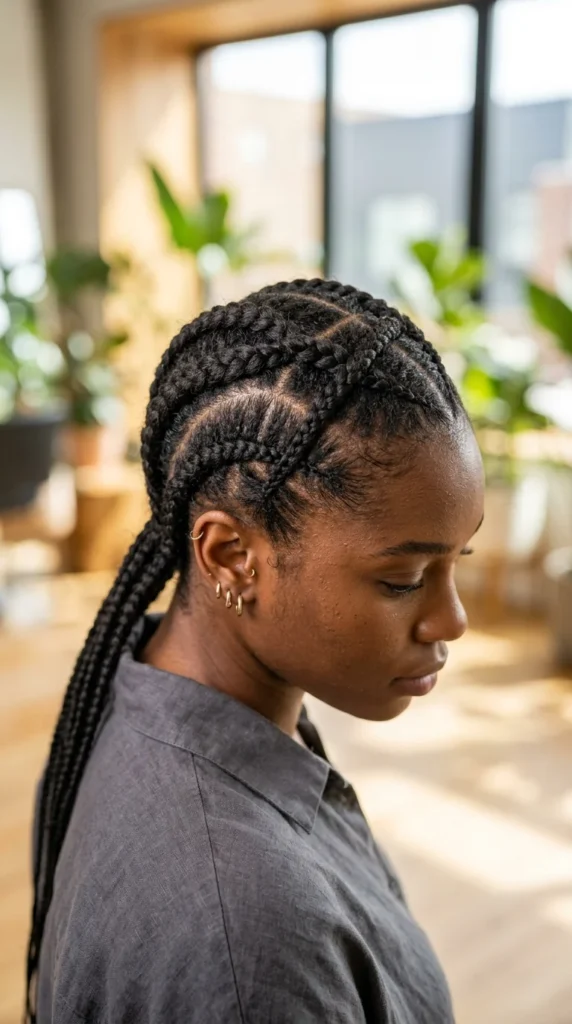
The criss-cross style is a technical marvel. The braider must carefully manage the hair at the intersection points to ensure the braids remain flat to the head. It creates a “woven” appearance that looks particularly striking when viewed from above.
14. Ombre Feed-ins
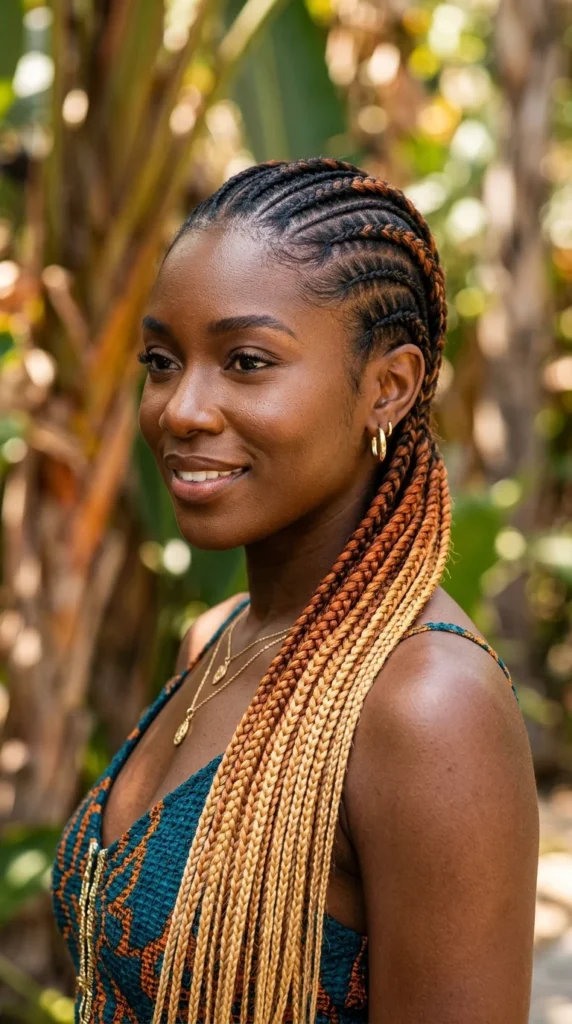
While precision usually refers to the parting, in ombre feed-ins, it also refers to the color placement. The extensions must be added at exactly the right moment in the braid to ensure the color gradient is uniform across all braids. This creates a sophisticated, sun-kissed effect.
15. The Halo Braid
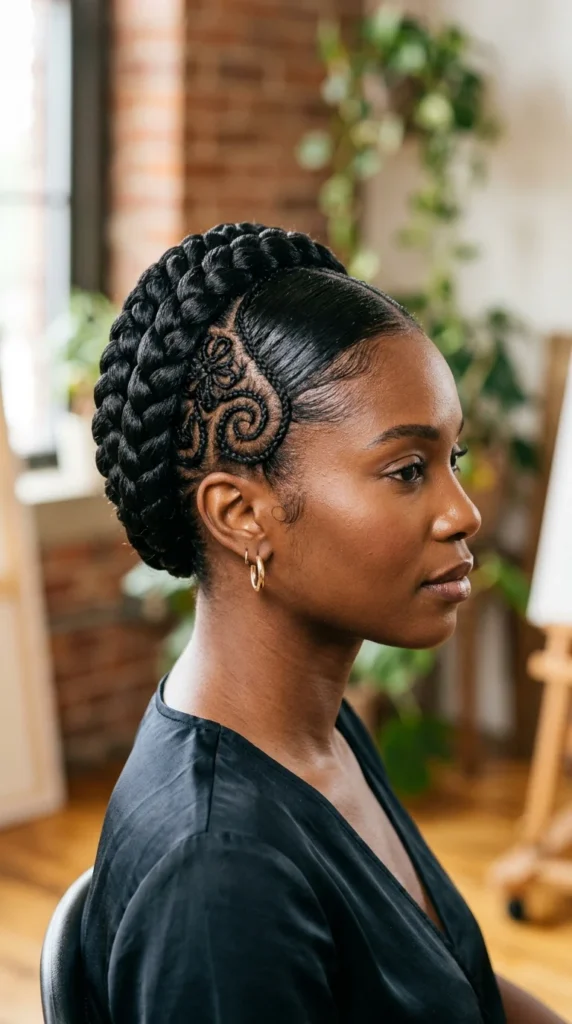
The Halo braid is the epitome of elegance. The precision required to maintain a perfect circle around the circumference of the head is immense. Any dip or rise in the braid path will break the “halo” illusion, making this a style that requires a master’s touch.
16. Tribal Layers
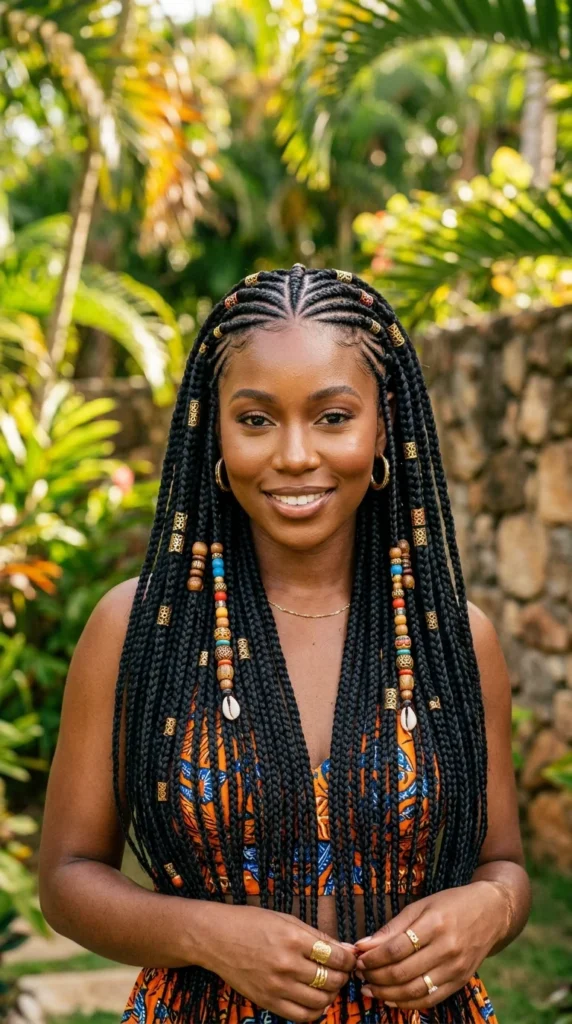
Tribal styles often combine various techniques—straight-backs, side braids, and even loose hair. The precision here is in the “mapping” of the layers. The top layer must sit perfectly over the bottom layer without creating excessive bulk, allowing for a look that is rich in texture and history.
17. Mohawk Cornrows
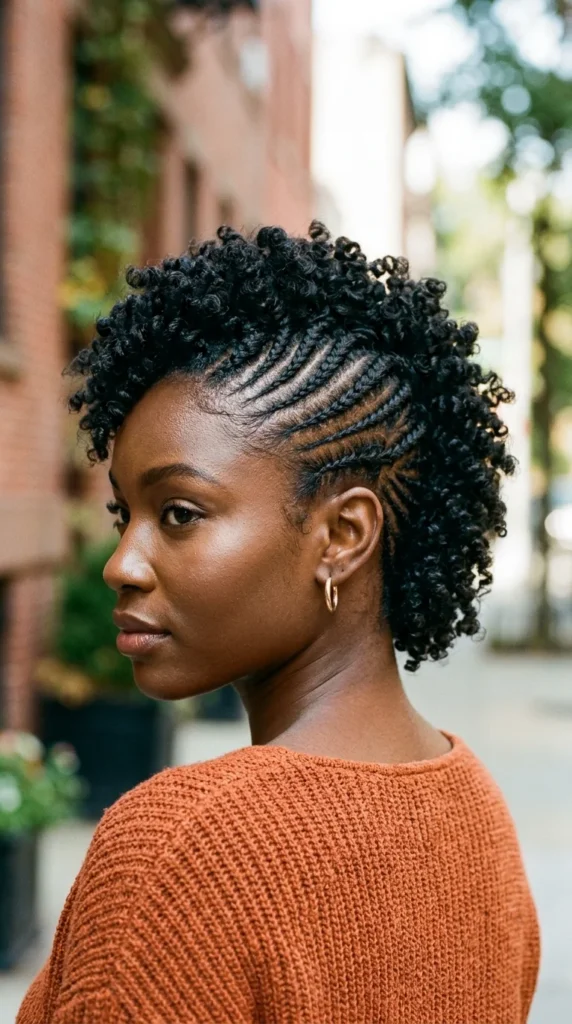
The Mohawk cornrow is a bold, edgy choice. The precision is found in the vertical parting on the sides of the head. These braids must be tight and sleek to create the necessary contrast with the voluminous center section, giving the wearer a sharp, fierce silhouette.
Maintaining Your Precision Braids
To keep these intricate styles looking their best, maintenance is non-negotiable:
- Night Protection: Always wear a silk or satin scarf to keep the “precision” parts from fraying.
- Moisture: Use a lightweight braid spray or a mixture of water and essential oils to keep the scalp hydrated without causing buildup.
- Edge Control: Use a high-quality edge control gel to keep the baby hairs laid and the hairline looking as sharp as the day you left the chair.
- Duration: While these styles are durable, do not leave them in for more than 4-6 weeks to avoid hair matting and tension on the scalp.