

The wolf cut has taken the world by storm, blending the rebellious spirit of a 1970s shag with the rugged edges of a 1980s mullet. However, for those with pin-straight hair, the “wolf” can sometimes look more like a “wet dog” if not executed correctly. The challenge lies in the natural tendency of straight hair to lie flat, potentially losing the wild, voluminous silhouette that makes this cut iconic.
But fear not—straight hair provides a clean canvas that highlights precision layering and sharp angles better than any other texture. With the right cutting techniques and styling products, you can achieve that coveted “just rolled out of bed but make it fashion” look.
1. Classic Wolf

The classic wolf cut on straight hair relies on extreme internal layering. By removing weight from the mid-lengths and leaving the top heavy, you create a natural “shelf” that provides the signature silhouette. This version is perfect for those who want the most authentic representation of the trend.
2. Short Pixie
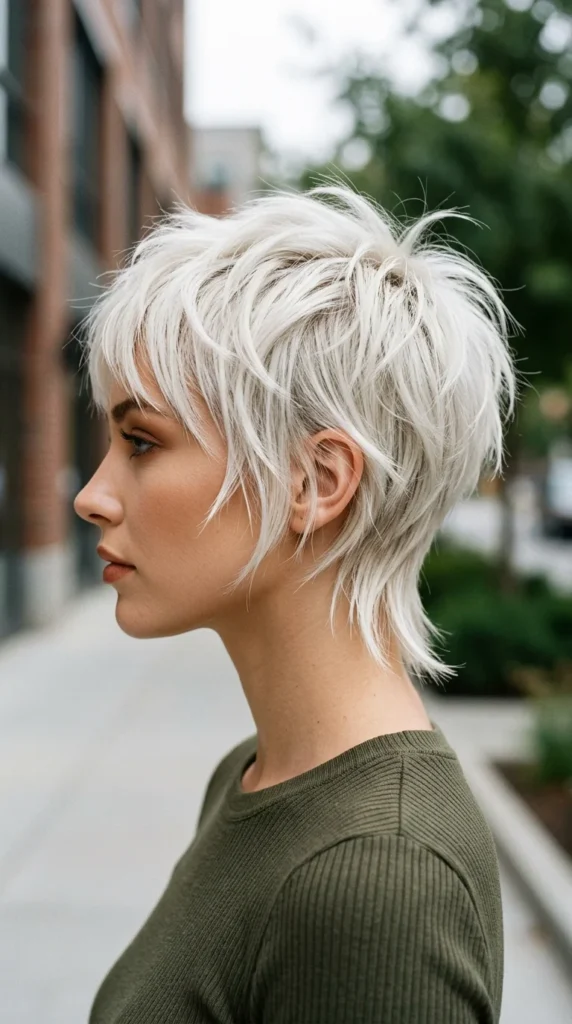
The pixie wolf is the ultimate low-maintenance option. Because the hair is shorter, it’s much lighter, which naturally solves the flat texture problem. The straight strands are cut into “points” to ensure the hair doesn’t lie flat against the scalp, giving it a playful, energetic vibe.
3. Long Layers
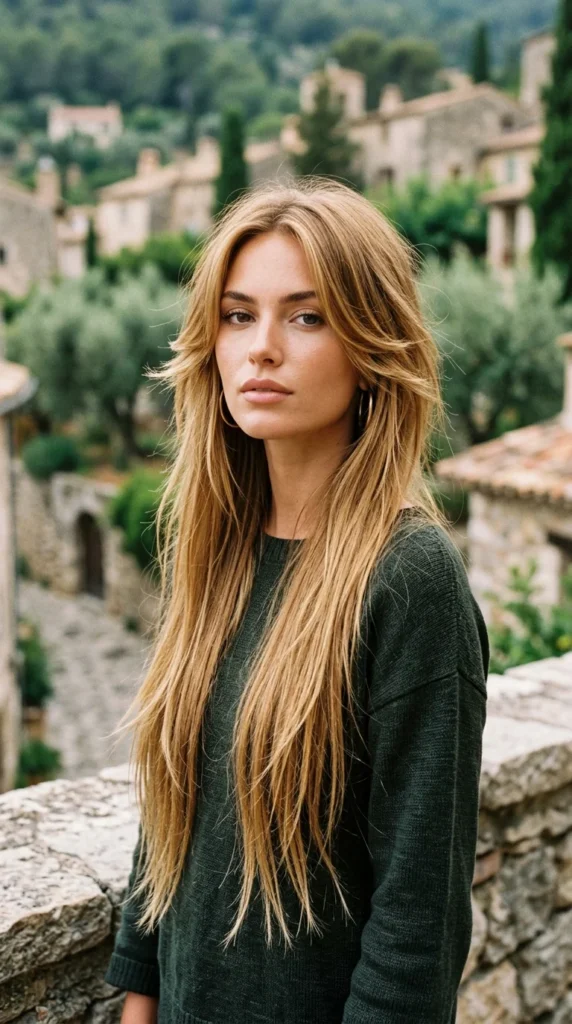
If you aren’t ready to sacrifice your length, the long-layered wolf cut is your best friend. It focuses on “face-framing” architecture. The straightness of the hair helps define the transition between the short top layers and the long bottom sections, creating a beautiful, waterfall-like effect.
4. Wispy Fringe
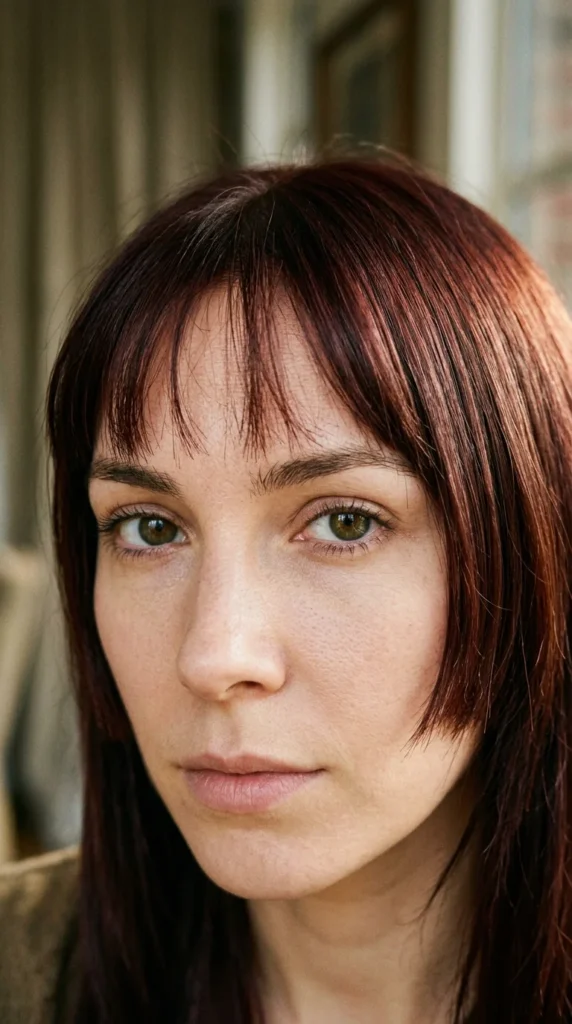
Straight hair is ideal for a wispy, “see-through” fringe. Unlike curly hair, which can shrink and bounce, straight hair stays exactly where you cut it. This allows for a very deliberate, airy bang that frames the eyes without overwhelming the face, adding to the “cool girl” aesthetic.
5. Choppy Bob

The wolf-bob (or “wob”) is a fantastic way to add grit to a traditional bob. By incorporating the wolf cut’s signature choppy layers into a shorter length, you prevent the hair from looking too “perfect” or “round,” which is a common issue for straight-haired bobs.
6. The Mullet-Hybrid
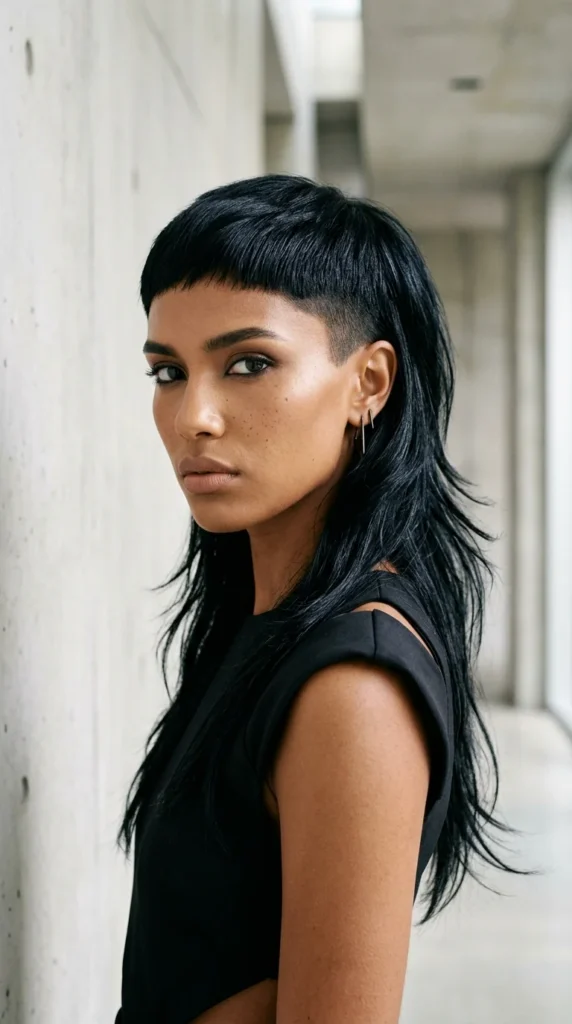
For those who want to lean into the “mullet” side of the wolf cut, this style keeps the sides sleek and tight. On straight hair, this looks incredibly intentional and edgy. The contrast between the flat sides and the voluminous top and back creates a striking architectural silhouette.
7. Blunt Ends
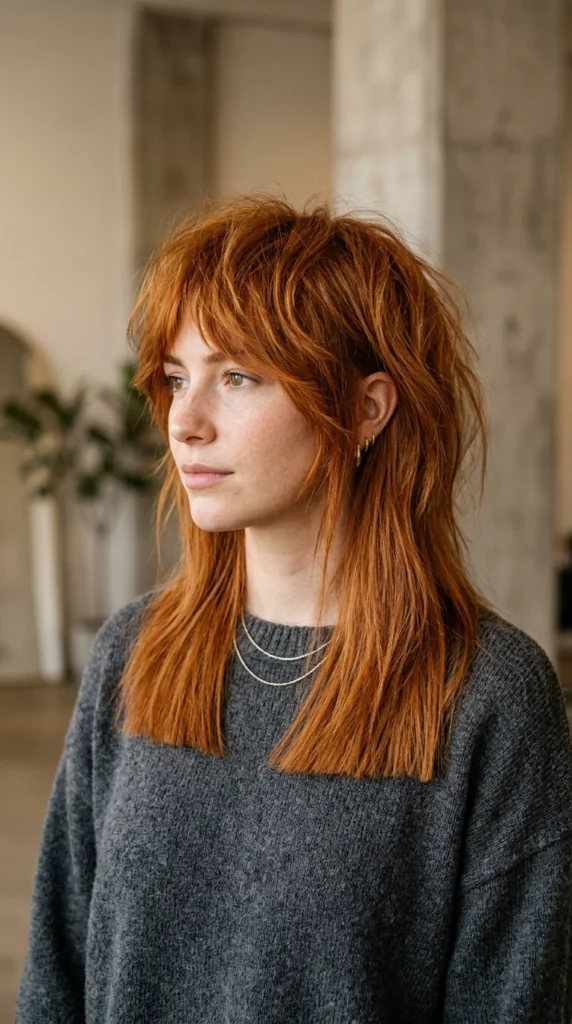
While the wolf cut is known for feathered ends, keeping the very bottom layer blunt can help straight hair look thicker. This is a secret weapon for those with fine, straight hair who worry that too much layering will make their hair look thin or “ratty” at the bottom.
8. Face-Framing
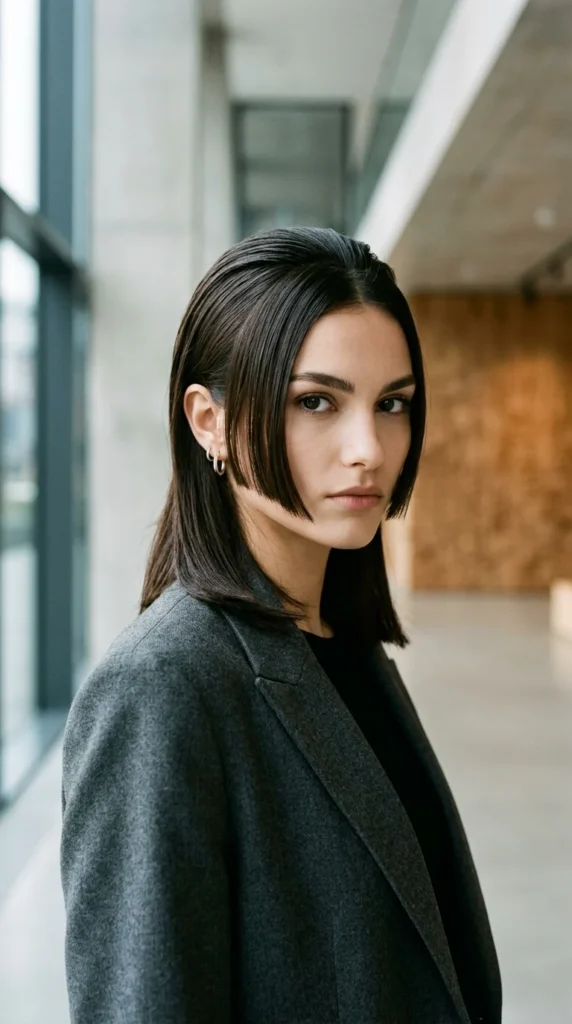
This variation focuses entirely on the front. By cutting “steps” into the hair around the face, you create movement exactly where people look most. For straight hair, these sharp angles act like contouring for your face, emphasizing your bone structure.
9. The Shag-Lite

If the standard wolf cut is too aggressive for your workplace, the “Shag-Lite” is the answer. It uses the same layering logic but with less “shredding” of the ends. This results in a smoother, more polished look that still possesses the wolf cut’s DNA.
10. Volume Boost
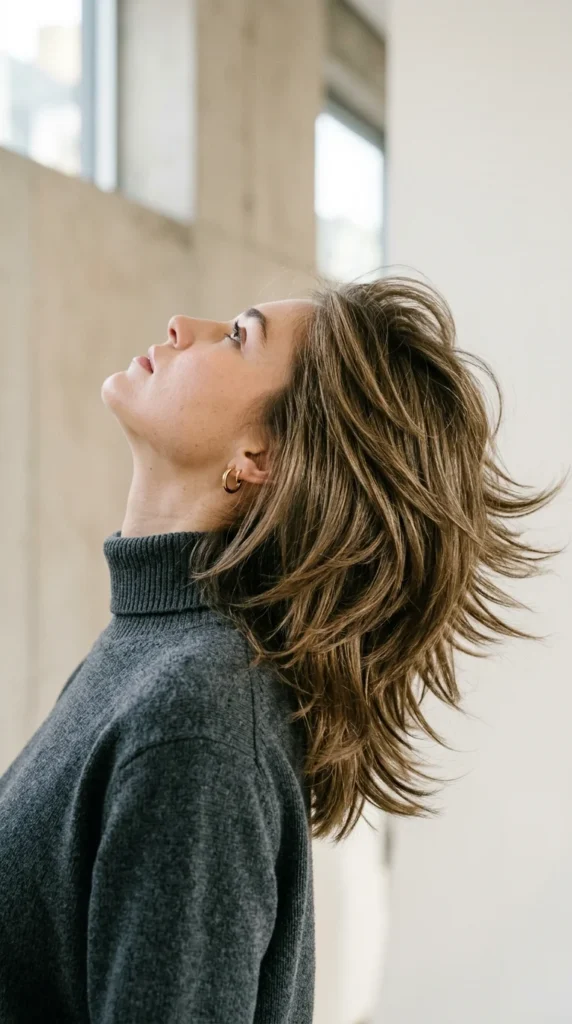
This style is all about the crown. By using shorter internal layers—sometimes called “volume layers”—the stylist creates a support system for the top hair. This forces the straight hair to lift away from the scalp, defying gravity and eliminating the flat-top look.
11. Tapered Sides
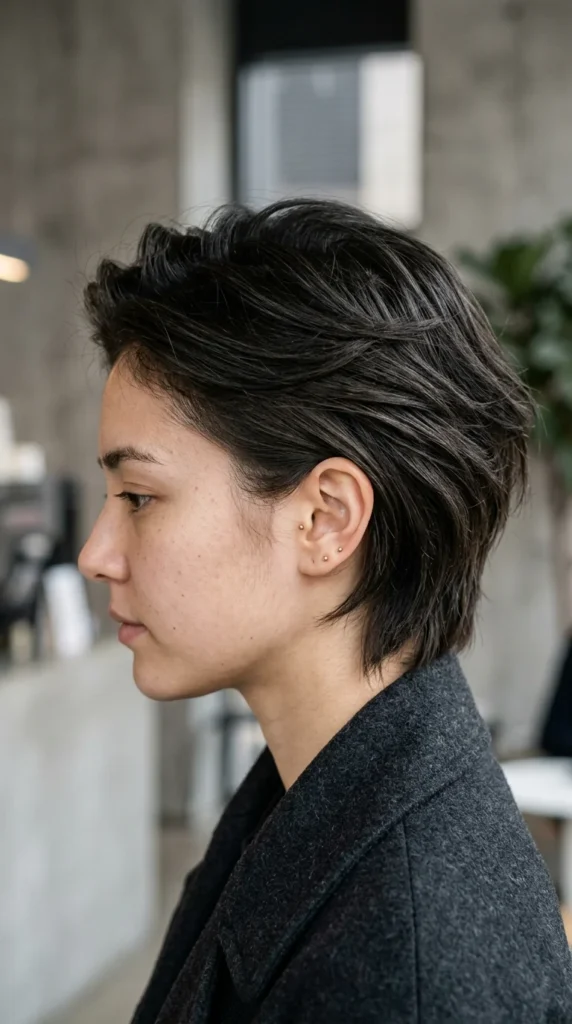
Tapering the sides is a classic way to emphasize the “mane” of the wolf cut. On straight hair, this creates a very clean, aerodynamic look. It removes the bulk from the sides of the head, which naturally makes the top of the hair appear more voluminous by comparison.
12. Asymmetrical Cut
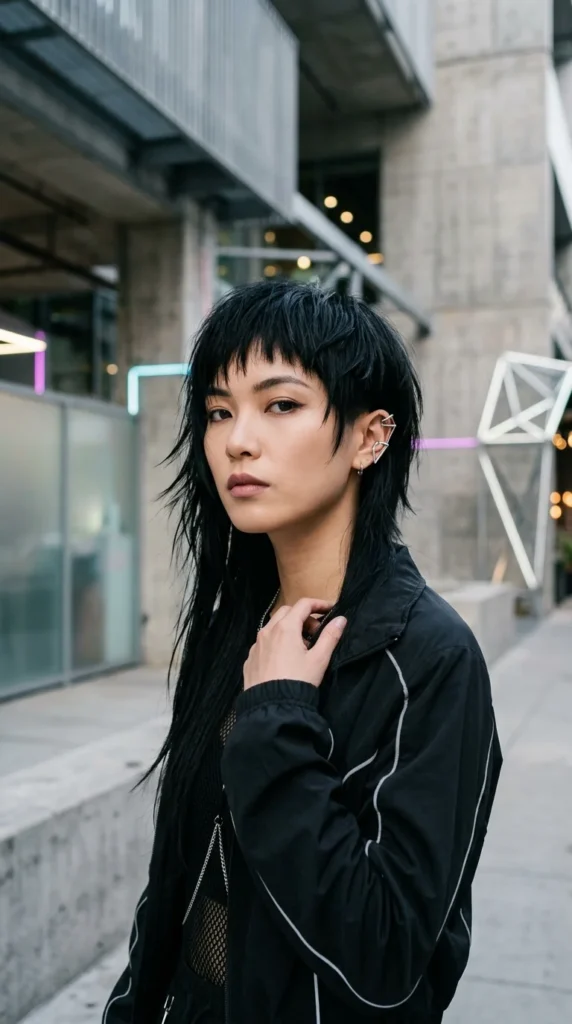
Straight hair is the best medium for asymmetrical cuts because the lines remain crisp. An asymmetrical wolf cut adds an extra layer of visual interest, drawing the eye across the face and making the “flatness” of the hair look like a deliberate design choice rather than a lack of volume.
13. Soft Feathers

Using a razor instead of scissors is a game-changer for straight hair. It thins out the ends in a way that allows them to “flick” and move. This creates a soft, ethereal texture that looks incredibly romantic and less “harsh” than traditional scissor cuts.
14. Edgy Spikes
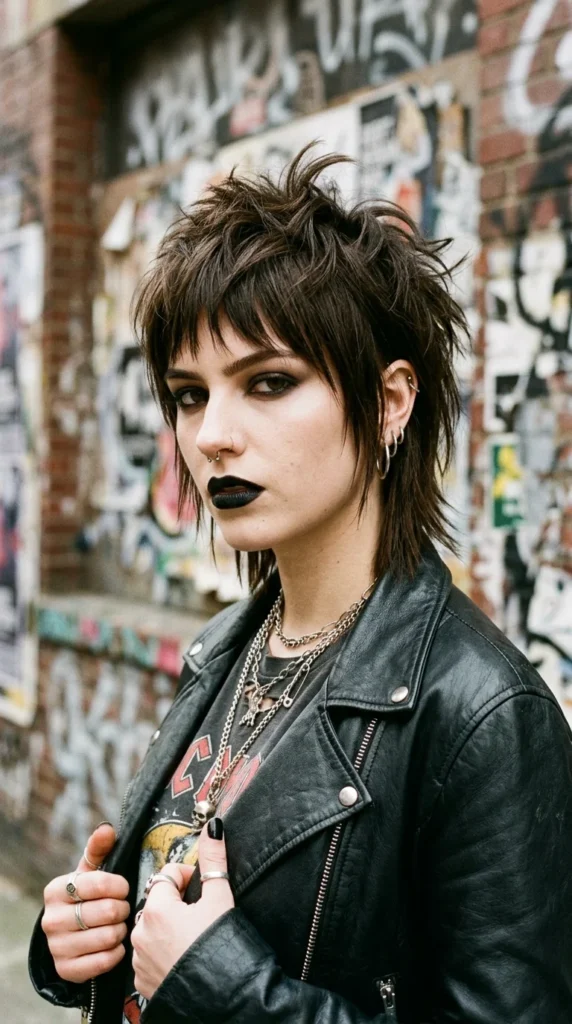
For a more masculine or punk-inspired look, straight hair can be easily “spiked” at the crown. Because straight hair is naturally stiff, a little bit of wax or pomade can hold these layers up all day, ensuring the height of the wolf cut never falls flat.
15. Curtain Bangs

Curtain bangs are the perfect companion for a wolf cut. On straight hair, they provide a much-needed “break” in the vertical lines of the hair. Styling them to swoop outwards provides horizontal volume, which balances the face and adds a retro 70s flair.
16. Under-layer Color

Adding a peek-a-boo or “under-light” color can actually make straight hair look more textured. The contrast between the dark top layers and the bright bottom layers creates visual depth, tricking the eye into seeing more volume and movement than there might actually be.
How to Fix the Flat Texture Problem
The biggest enemy of the wolf cut on straight hair is gravity. Without the natural “push” of a curl or wave, straight hair tends to collapse. Here is how you can fight back and keep your wolf cut looking wild.
1. The Cutting Technique: Point Cutting & Razoring
If your stylist uses blunt horizontal cuts, your wolf cut will look like a bowl cut. Insist on point cutting (cutting into the hair at an angle) or razor cutting. These techniques remove weight and create different lengths within a single section of hair, allowing the strands to “prop each other up.”
2. The Blow-Dry Strategy
Never let your wolf cut air-dry flat.
- Upside Down: Blow-dry your hair with your head flipped over until it is 80% dry. This “trains” the roots to stand up.
- The Over-Direct: When drying the top layers, pull the hair in the opposite direction of where it naturally falls. This creates maximum tension and lift at the root.
3. Essential Product Arsenal
To give straight hair the “grip” it needs to stay messy, you need the right products:
- Sea Salt Spray: Apply to damp hair to add “grit.” It mimics the texture of hair after a day at the beach, making it less slippery.
- Dry Shampoo or Texture Powder: Even on clean hair, apply a bit of texture powder to the roots at the crown. This creates a “backcombed” effect without the damage.
- Lightweight Mousse: Apply to the roots before drying to provide a structural foundation that prevents the hair from falling flat by midday.
4. The “Flick” Technique
Straight hair can look “heavy” at the ends. Use a flat iron or a small round brush to “flick” the ends of your layers outwards or inwards. This creates a “zigzag” silhouette that mimics the volume of wavy hair. Alternating the direction of the flicks (some out, some in) adds to the “shaggy” look of the wolf cut.