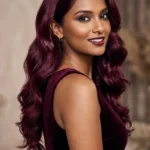

Short hair is often celebrated for its low-maintenance appeal and bold aesthetic. However, without the right color technique, shorter lengths can sometimes appear “flat” or one-dimensional. Unlike long hair, which has the weight and movement to create natural shadows, short cuts—like pixies, bobs, and lobs—rely heavily on strategic color placement to create the illusion of thickness, movement, and sophistication.
Whether you are looking to brighten your face, add the appearance of volume to fine hair, or simply want a change that feels modern, the right coloring technique can transform your look instantly. Here are 13 flattering short hair color techniques designed to provide instant depth and dimension.
1. Babylights
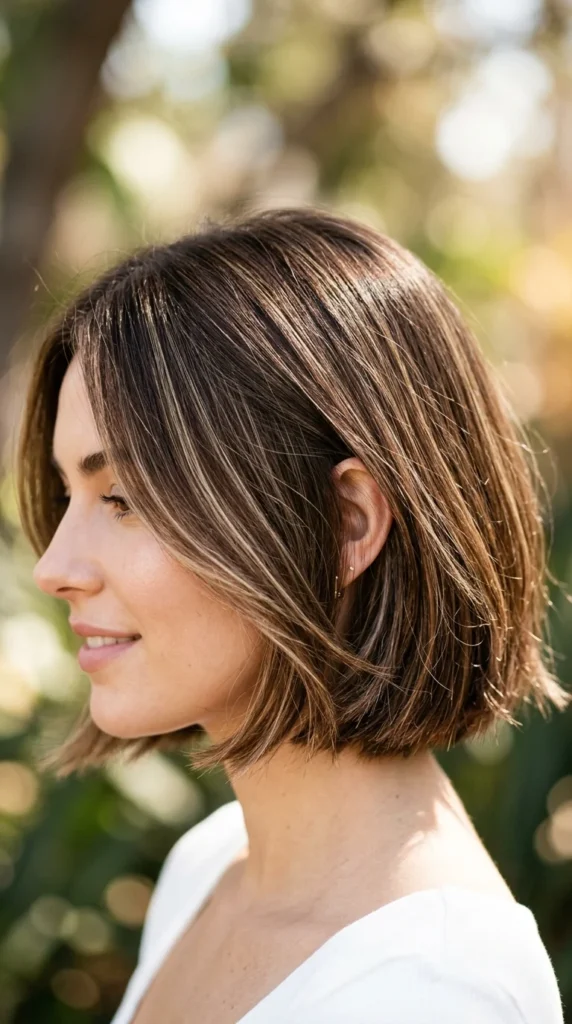
Babylights are the ultimate solution for those seeking a subtle, “lit-from-within” glow. This technique involves taking very small, thin sections of hair and applying lightener to create ultra-fine highlights. Because the sections are so tiny, the color blends seamlessly with your base shade, avoiding the harsh lines that traditional highlights can sometimes produce.
On short hair, babylights are particularly effective at adding a shimmering effect. They help break up solid blocks of color, which is essential for making a blunt bob or a structured pixie look more airy and voluminous. Because they are so delicate, the grow-out process is much more forgiving than other techniques, making it a favorite for those who want high-impact results with lower maintenance.
2. Balayage
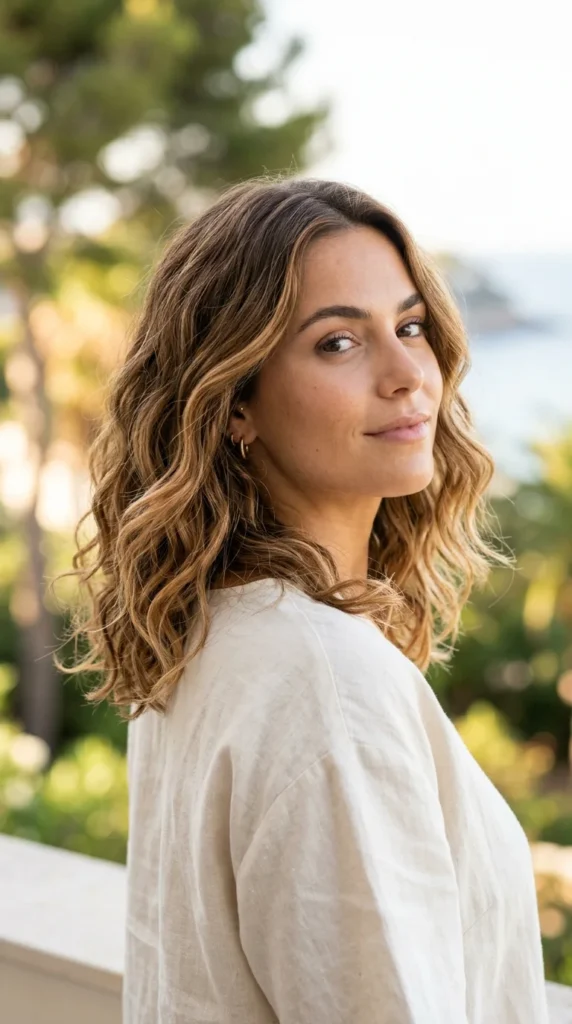
While often associated with long, flowing locks, balayage is incredibly effective on short hair. The word “balayage” comes from the French word “to sweep,” and that is exactly what the stylist does—painting the color onto the surface of the hair freehand. This allows for a customized application that follows the natural movement of your specific haircut.
For short styles, balayage adds a “lived-in” feel. By keeping the roots darker and painting the highlights where the light would naturally hit, you create a sense of depth and dimension that makes the hair appear thicker. It works beautifully on textured crops and shaggy bobs, emphasizing the layers and “shattered” ends of the cut.
3. Root Shadow
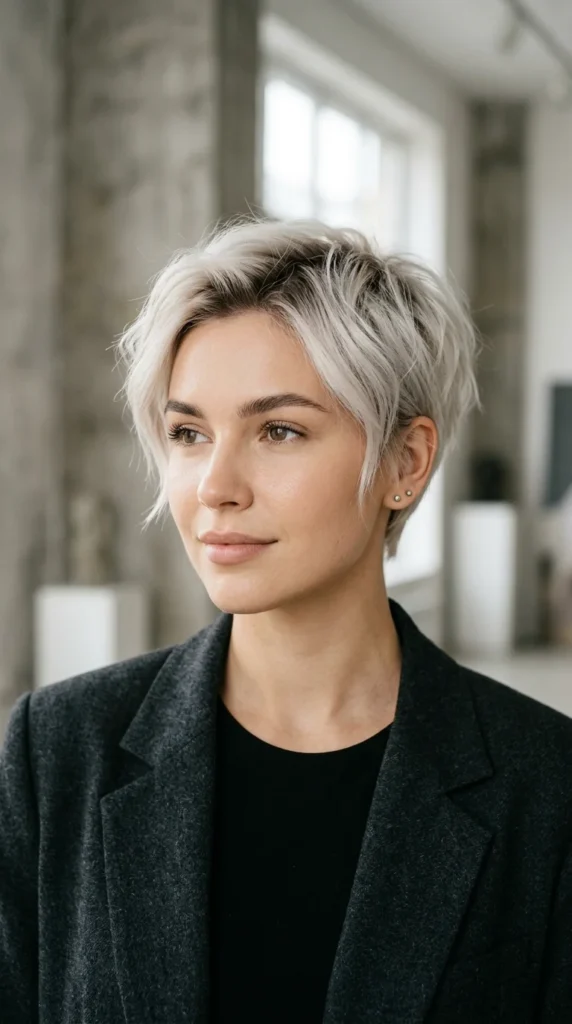
A root shadow is a technique where a darker shade is applied to the roots after the hair has been lightened. This creates a soft transition between your natural hair color (or a darker base) and your highlights. The goal is to “shadow” the root area to prevent a harsh line of demarcation as the hair grows out.
This technique is a game-changer for short hair because it adds instant “weight” at the crown. By having a slightly darker root, the lighter ends pop more significantly, creating a three-dimensional effect. It is also an excellent way to make fine hair look more substantial at the base, giving the illusion of a denser head of hair.
4. Lowlights
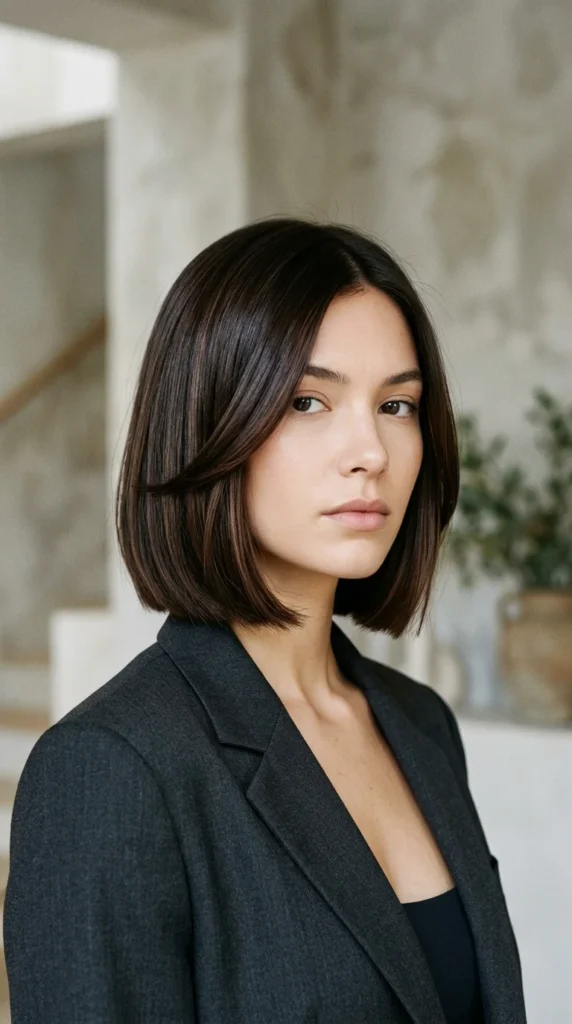
While highlights add brightness, lowlights are essential for creating contrast. Lowlights involve depositing a color that is two to three shades darker than your base or your current highlights. On short hair, placing lowlights in the interior or at the nape of the neck can create the illusion of shadows, which makes the top layers look fuller.
If your short hair has become “over-foiled” or too monochromatic from repeated highlights, adding lowlights can restore the depth that was lost. It brings back the “negative space” required for the highlights to actually stand out, resulting in a more sophisticated and layered color profile.
5. Money Piece
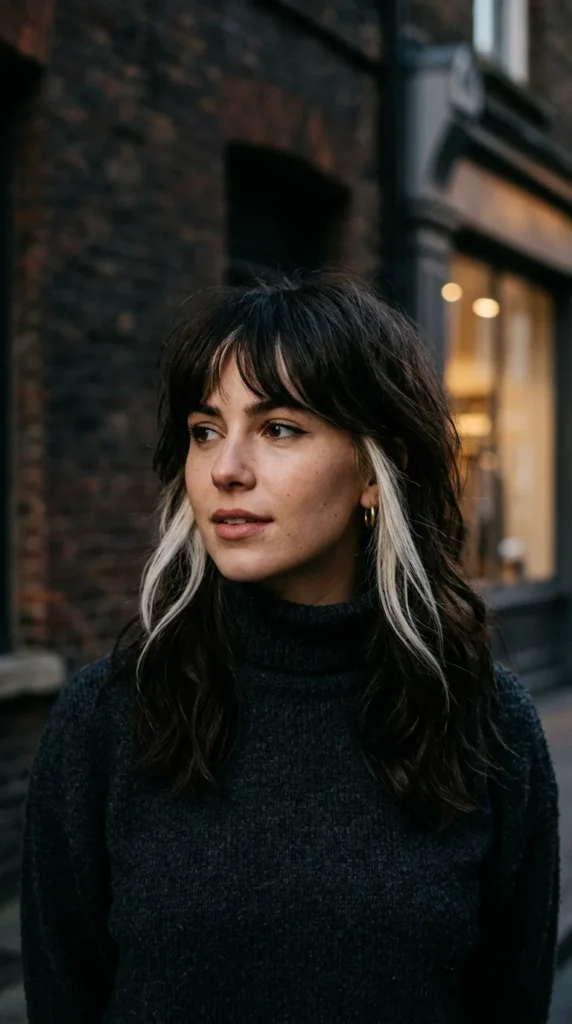
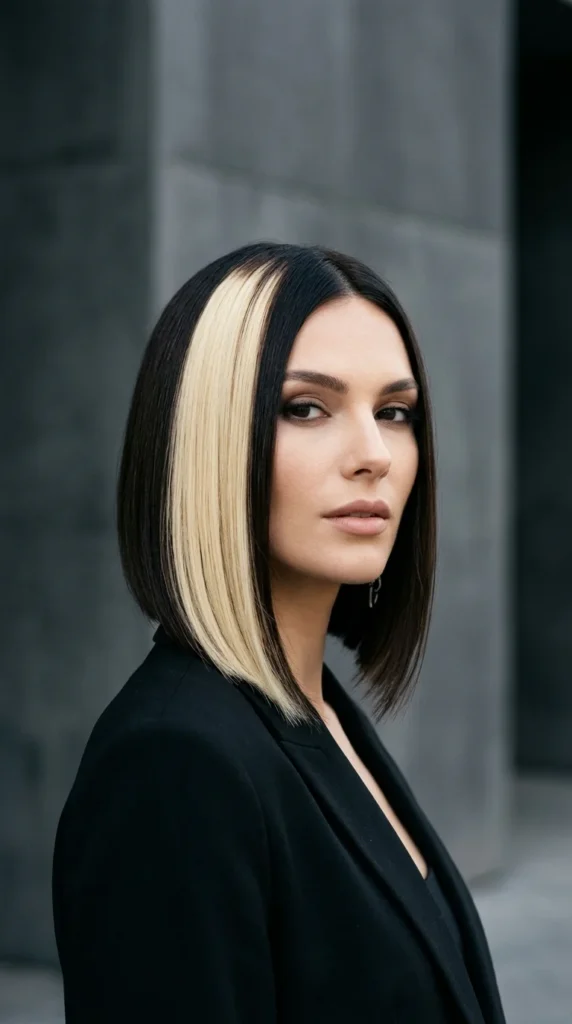
The “money piece” is a bold, face-framing highlight that starts at the root and follows the hairline. It is designed to brighten the complexion and draw attention to the eyes and cheekbones. On short hair, where there is less length to work with, the money piece becomes a powerful focal point.
This technique works exceptionally well with bobs and pixie cuts with longer fringe. It provides a high-contrast look that feels trendy and expensive (hence the name). Because the majority of the brightness is concentrated at the front, you can keep the rest of your hair a deeper shade, maintaining that essential depth while still feeling like a blonde or a bright brunette.
6. Peek-a-boo Color
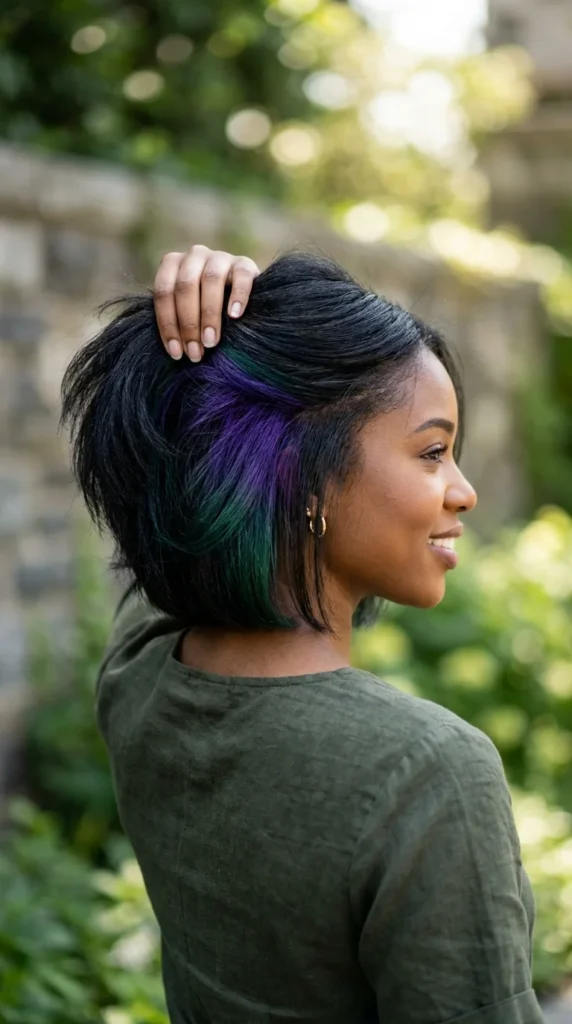
If you want to experiment with depth in a playful way, peek-a-boo color is the way to go. This involves applying a contrasting color to the under-layers of the hair. When the hair is styled flat, the color is mostly hidden, but when you move, tuck your hair behind your ears, or style it with texture, the “hidden” color peeks through.
For short hair, this creates a literal sense of depth by having a darker or more vibrant shade residing beneath the surface. It adds a layer of mystery and complexity to the cut, making even the simplest bob look like a custom piece of art.
7. Color Melting
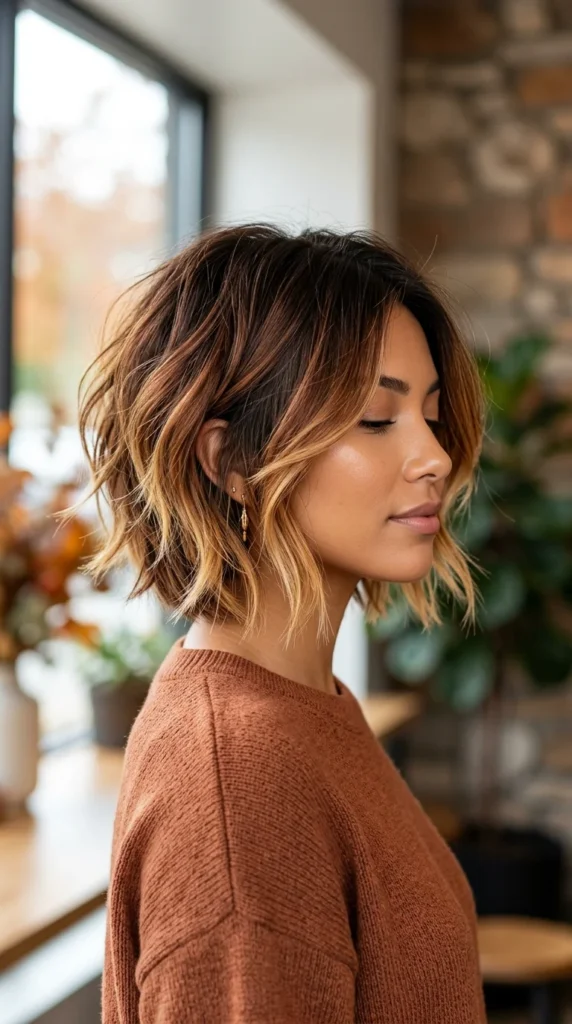
Color melting is a technique that blends two or more shades together so perfectly that you cannot tell where one ends and the other begins. Unlike an ombre, which has a more distinct transition, a color melt is about absolute fluidity.
On short hair, color melting eliminates the “choppy” look that can sometimes occur with traditional foils. By melting a darker root into a medium-toned mid-shaft and lighter ends, you create a gradient that mimics natural hair growth but with a polished, professional finish. This technique is particularly flattering on lobs (long bobs) as it maximizes the limited vertical space to show off the gradient.
8. Ribbon Lights
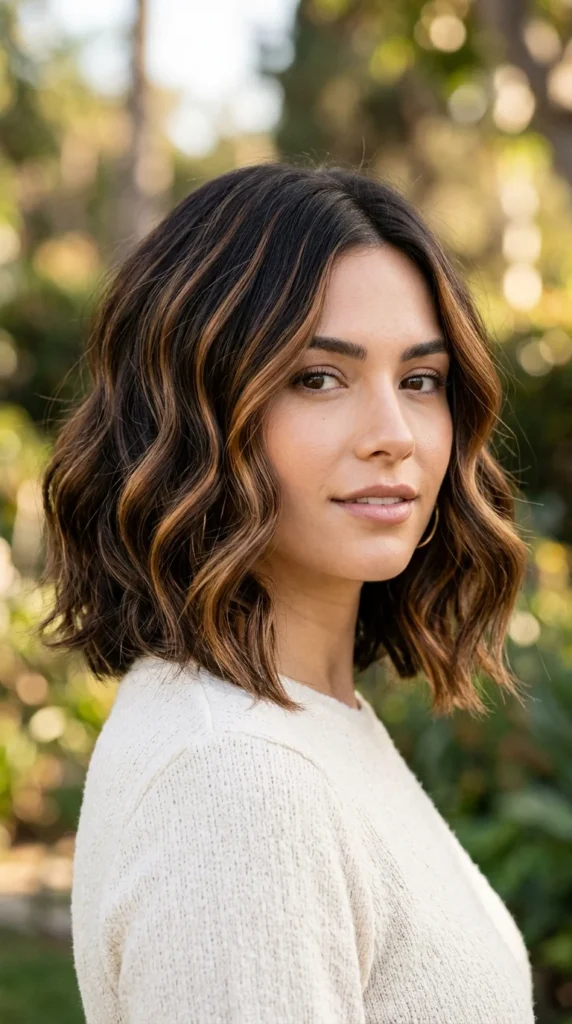
Ribbon lights are essentially a thicker, more deliberate version of highlights. Instead of thin strands, the stylist paints wider “ribbons” of color throughout the hair. This technique is designed to follow the natural wave or curl pattern of your hair.
On short, textured cuts, ribbon lights create high-definition depth. They act as “stripes” of light that contrast against the darker base, making every twist and turn of your hair visible. This is a fantastic option for those with wavy or curly short hair, as it emphasizes the bounce and shape of each curl.
9. Teasylights
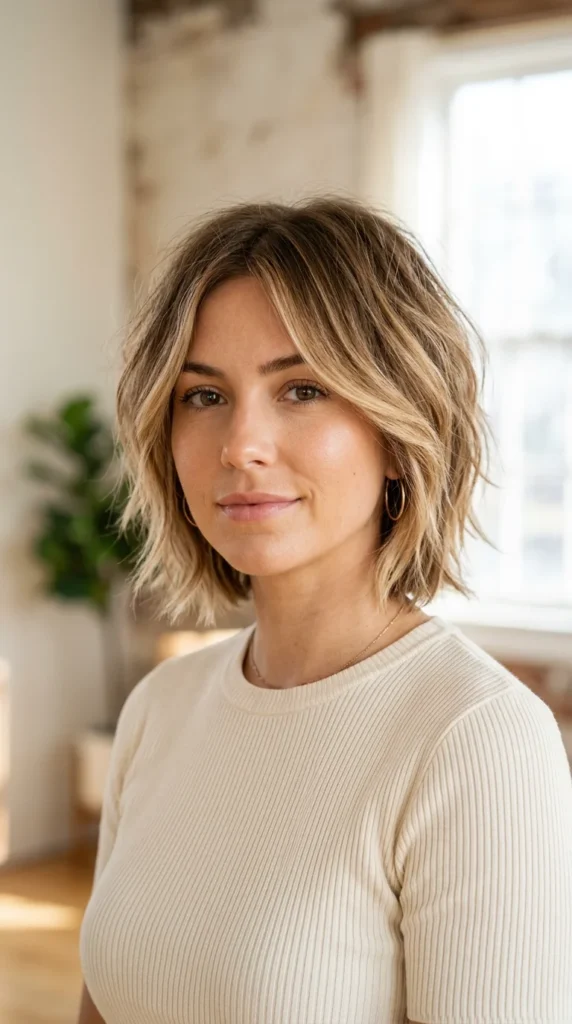
Teasylights are a hybrid between balayage and traditional highlights. The stylist backcombs (teases) each section of hair before applying the lightener. This ensures that the transition from the base color to the highlight is incredibly soft and diffused, with no harsh lines near the root.
For short haircuts like the “wolf cut” or a shaggy pixie, teasylights provide a “rock n’ roll,” effortless depth. They give the hair a sun-bleached look that feels authentic. Because the tease creates a buffer, the color starts at different points on each strand, which adds a massive amount of visual texture to the hair.
10. Glossy Overlays
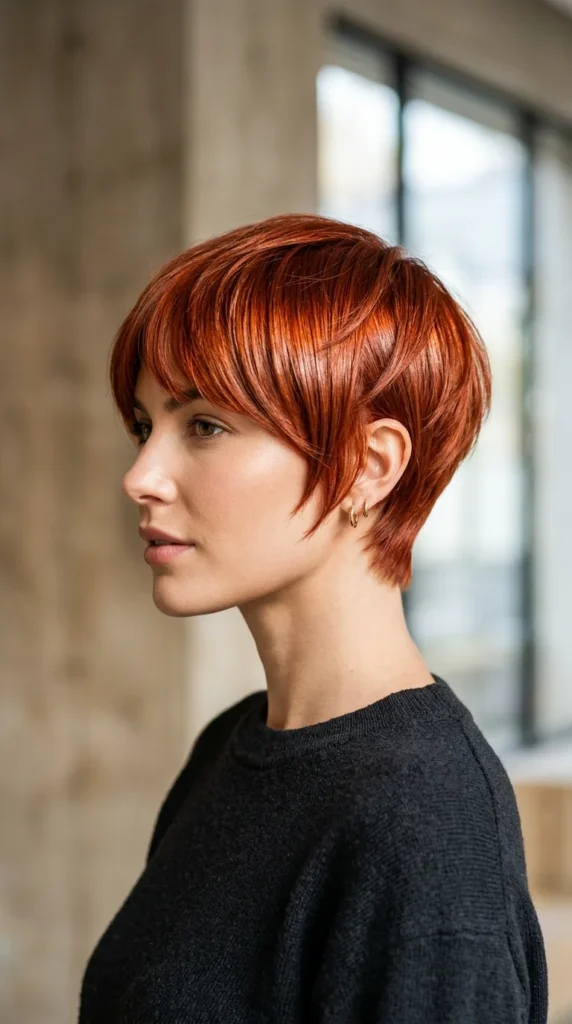
Sometimes depth isn’t just about different colors; it’s about how the hair reflects light. A gloss or glaze is a semi-permanent treatment that coats the hair shaft, adding intense shine and a hint of tone. For short hair that feels dull or flat, a clear or tinted gloss can provide “dimensional shine.”
When hair is healthy and shiny, the highs and lows of the cut are more apparent. The light reflects off the “hills” of your layers and creates natural shadows in the “valleys.” A rich espresso gloss on a short crop or a cool-toned ash gloss on a blonde bob can make the hair look significantly thicker and more expensive.
11. Frosted Tips
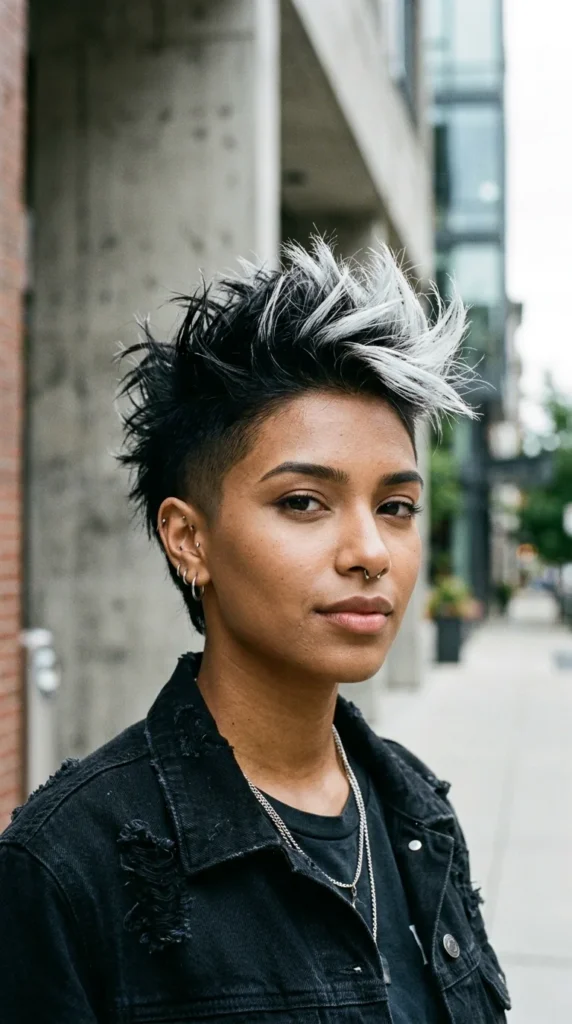
While the term might bring back memories of the 90s, the modern version of frosted tips is sophisticated and edgy. This involves lightening only the very ends of a short, textured cut. It is most effective on very short pixies or cuts with significant point-cutting and texture.
This technique creates “point-of-light” depth. By having bright ends against a dark base, the structure of the haircut is emphasized. It makes the hair look “piecey” and defined, which is ideal for anyone who uses wax or pomade to style their hair in a messy, textured way.
12. Chunky Panel
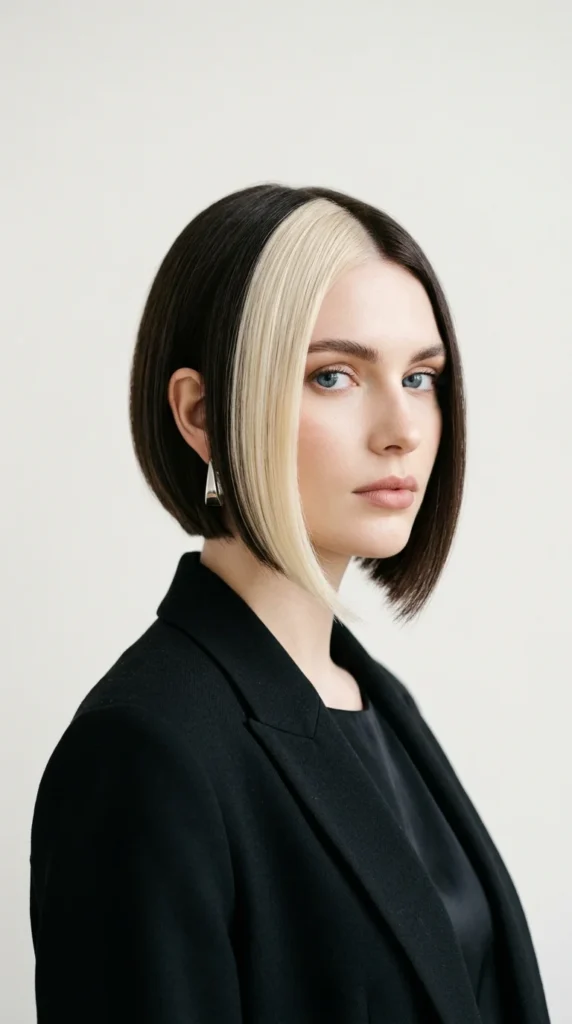
For the bold at heart, a chunky panel of color can create dramatic depth. Instead of weaving small highlights, a solid section of the hair is colored in a contrasting shade. This is often done on the underside or on one side of an asymmetrical cut.
This technique creates depth through “color blocking.” The heavy contrast between the two solid colors creates a visual weight that can make the hair appear fuller and the style more intentional. It’s a high-fashion approach to short hair that requires a confident wearer but offers maximum impact.
13. Smudged Roots
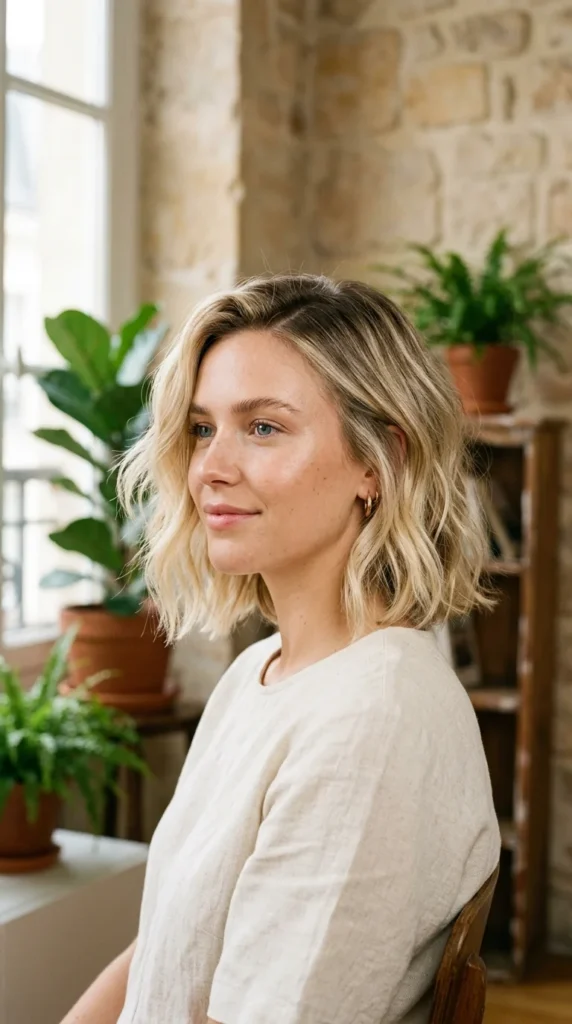
A root smudge is similar to a root shadow but usually involves a shorter transition area. The stylist “smudges” the base color just an inch or two down the hair shaft. This technique is specifically designed to eliminate the “foil line” and give the hair a more natural, rounded appearance at the scalp.
On short hair, a root smudge provides a “halo” of depth. It ensures that even as your hair grows, the color remains balanced. By keeping the area closest to the scalp a bit deeper, you ensure that your face doesn’t look washed out by a solid block of light color, maintaining a flattering frame for your features.
Choosing the Right Technique for Your Cut
When selecting a color technique for your short hair, consider your daily styling routine. If you wear your hair sleek and straight, techniques like Babylights or a Root Shadow will look best as they offer seamless transitions. If you prefer messy, bedhead textures, Teasylights or Ribbon Lights will emphasize that movement.
Always consult with a professional colorist who specializes in short hair. Because there is less room for error on shorter lengths, the precision of the placement is everything. With the right technique, your short hair will not only have instant depth but will also become a true reflection of your personal style.