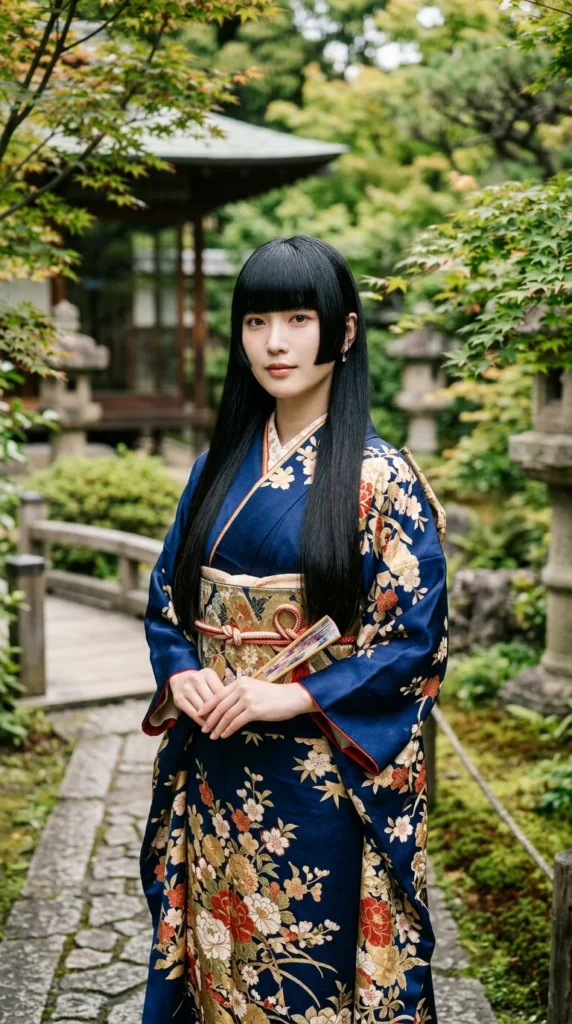

In a world where conformity often feels like the default setting, your hair remains one of the most powerful tools for self-expression. Alternative haircuts are more than just a trend; they are a visual manifesto, a way to signal your subculture, your artistic leanings, or simply your refusal to blend into the background. Whether you are inspired by the gritty aesthetics of the 1970s punk scene, the ethereal vibes of Japanese street fashion, or the sharp, futuristic lines of cyberpunk, there is an alternative style that fits your identity.
Breaking away from traditional salon standards allows for a creative dialogue between you and your reflection. These styles often play with proportions, defy gender norms, and utilize negative space in ways that conventional cuts never dare. If you are ready to shed the “safe” look and embrace something that truly resonates with your inner self, here are 13 alternative haircuts that define the cutting edge of personal style.
1. Wolf Cut

The Wolf Cut has taken the world by storm, acting as the perfect gateway into alternative styling. It is a hybrid of the 70s shag and the 80s mullet, characterized by its extreme volume at the crown and wispy, tapered layers toward the bottom.
- Why it works: It provides a soft yet rebellious silhouette that works on almost any hair texture.
- Styling Tip: Use a sea salt spray or a lightweight mousse to enhance the “messy” texture. The goal is for it to look lived-in and slightly feral, living up to its animalistic name.
2. Mullet
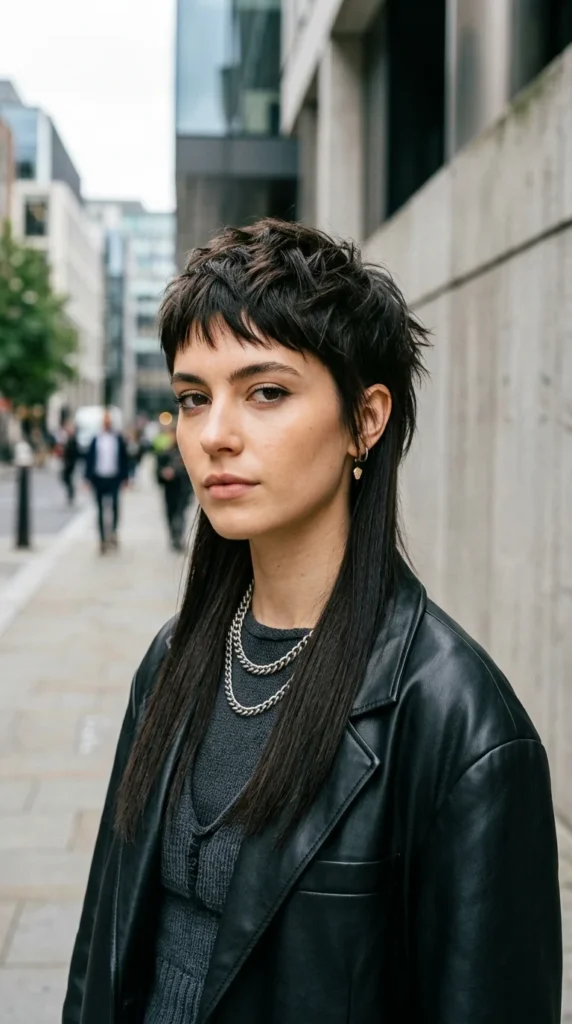
Once considered a relic of the past, the modern mullet has been reclaimed by the alternative community as a symbol of gender-fluid chic. The contemporary version is often shorter on the sides—sometimes even buzzed—with a dramatic transition to length at the back.
- The Vibe: It screams “business in the front, party in the back,” but with a high-fashion, punk-rock twist.
- Variations: You can opt for a “rat tail” mullet for a more extreme look or a “soft mullet” if you want something more wearable for the office.
3. Hime Cut
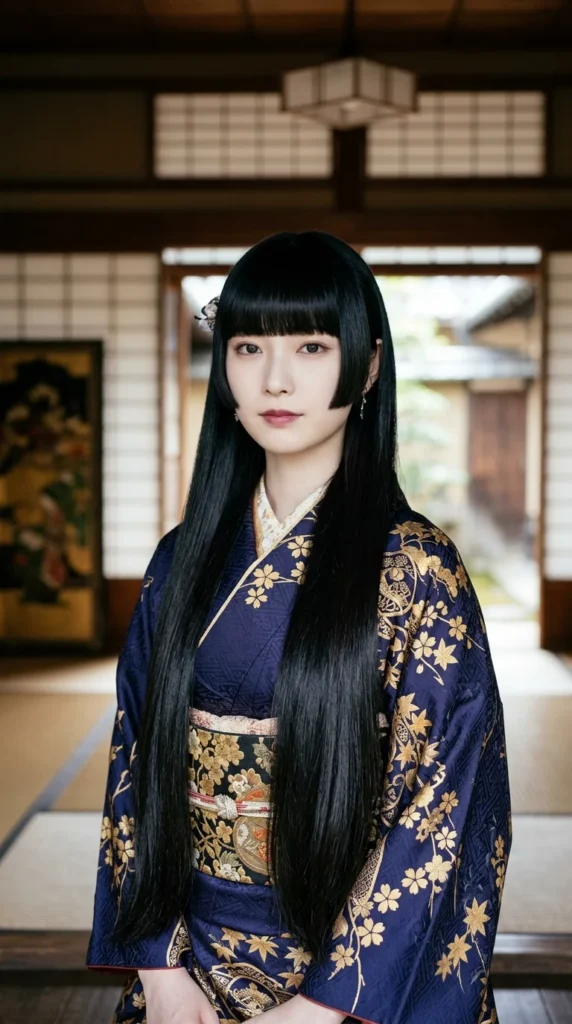
Originating from Japanese history and popularized by anime culture, the Hime (Princess) cut is a striking, geometric style. It consists of three distinct lengths: a blunt fringe, straight sidelocks cut at the cheek or jawline, and long hair in the back.
- Structure: This cut is all about sharp lines and contrast. It frames the face like a picture, highlighting the eyes and cheekbones.
- Maintenance: This is a high-maintenance look that requires frequent trims to keep the lines crisp and the hair perfectly straight.
4. Shaved Head
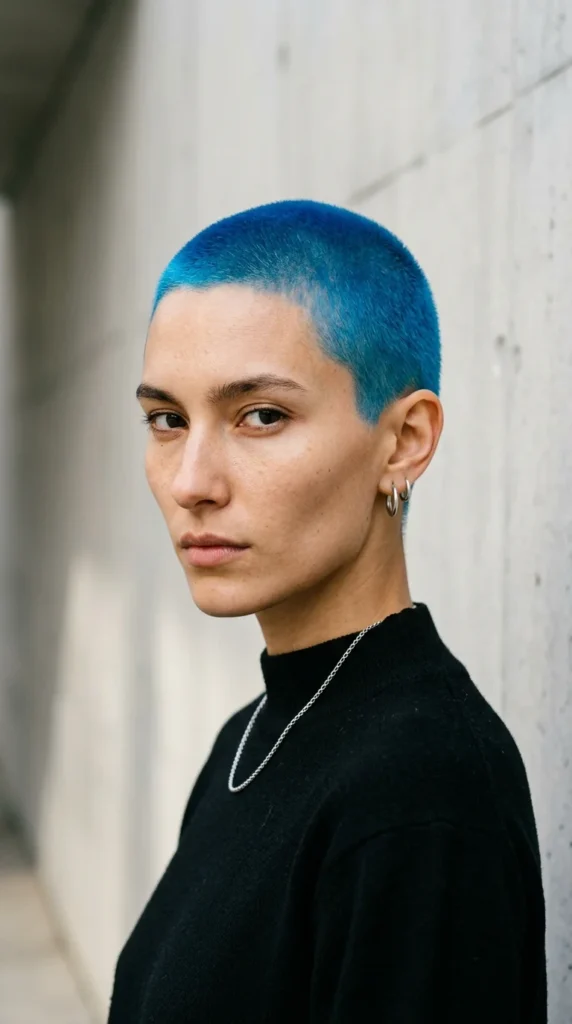
Nothing says “fresh start” like a total buzz cut. Shaving your head is the ultimate act of rebellion against traditional beauty standards. It strips away the “safety blanket” of hair, putting your facial features and head shape on full display.
- The Appeal: It is incredibly low-maintenance and offers a sense of liberation. It also serves as a perfect canvas for “hair tattoos” or vibrant, temporary dyes.
- Color Play: Many people with shaved heads experiment with bleach and neon colors to add an extra layer of “alt” energy to the look.
5. Jellyfish Cut
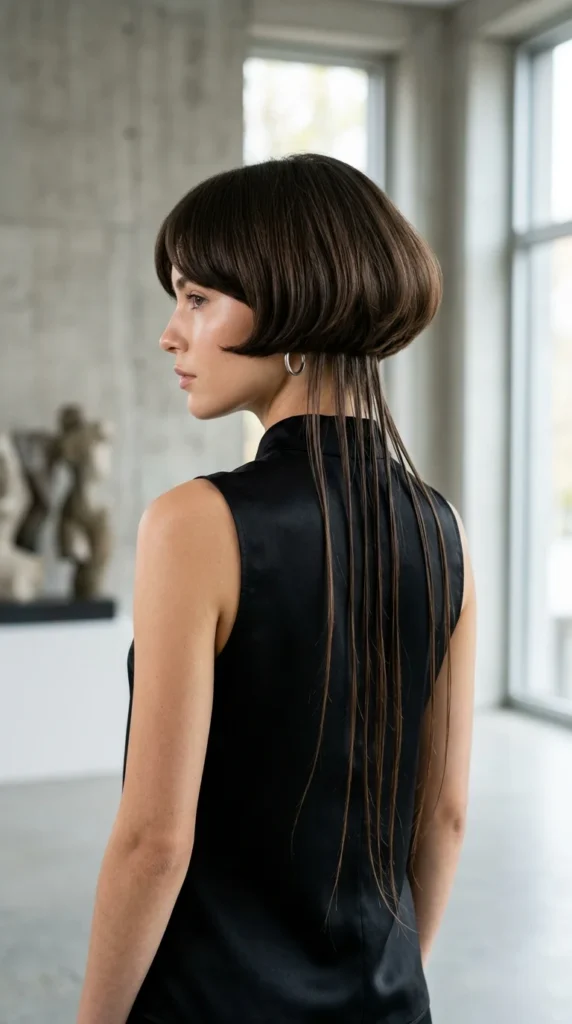
The Jellyfish cut is a viral sensation for a reason. It is a highly avant-garde style that mimics the shape of its namesake. The top section is cut into a blunt bob, while the bottom section remains long and flowing.
- Dual Identity: It allows you to have the best of both worlds—the edginess of a short cut and the femininity of long hair.
- Visual Impact: This style looks particularly stunning when the two layers are dyed in contrasting colors, such as a black top and white bottom.
6. Micro-Bangs
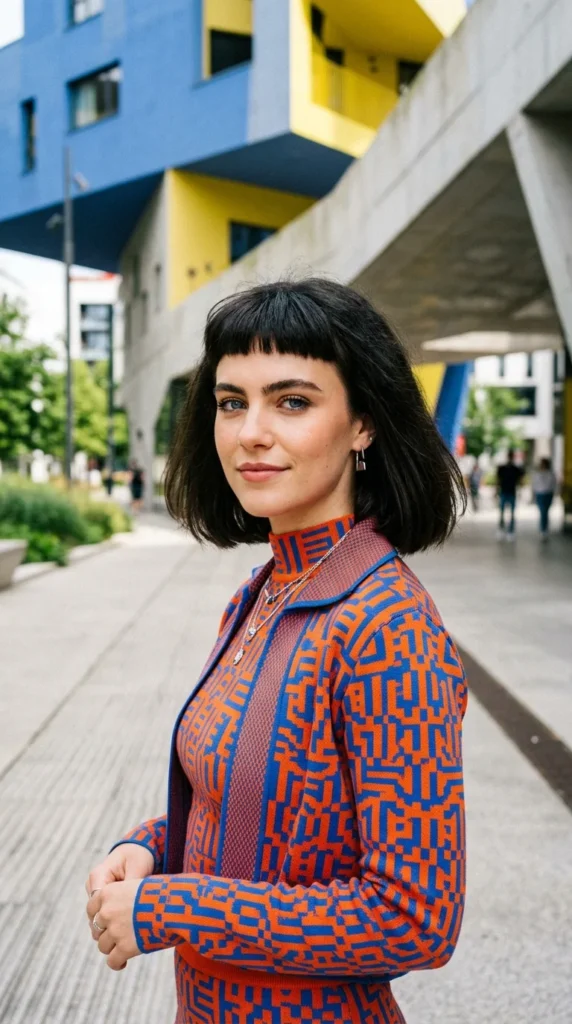
Also known as “baby bangs,” this style involves cutting the fringe significantly higher than the eyebrows. It is a staple in the “art hoe” and indie-sleaze aesthetics.
- The Effect: Micro-bangs open up the face and create a bold, high-fashion look. They can be cut straight across for a robotic feel or jagged for a more “DIY punk” vibe.
- Suitability: While they require a bit of confidence, they work wonders for shortening a long forehead and drawing attention to the eyebrows.
7. Split Dye
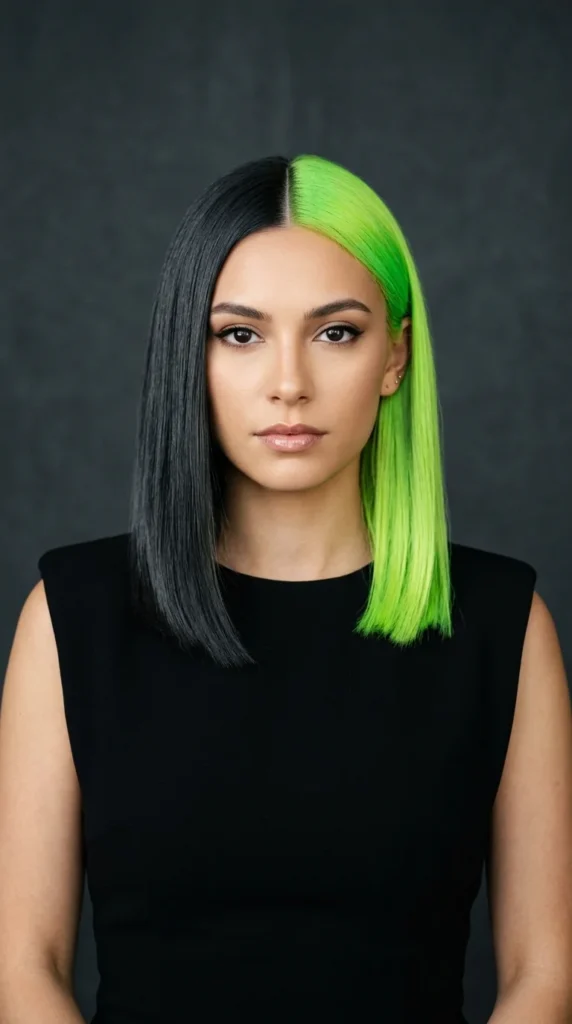
While technically a color technique, the split dye is so synonymous with alternative culture that it functions as a stylistic choice. It involves dyeing each half of the head a different color, usually split directly down the middle.
- Symbolism: It represents duality—light and dark, chaos and order.
- Popular Combos: Black and pink, black and white (the “Cruella”), or even two different shades of the same color for a more subtle gradient effect.
8. Chelsea Cut
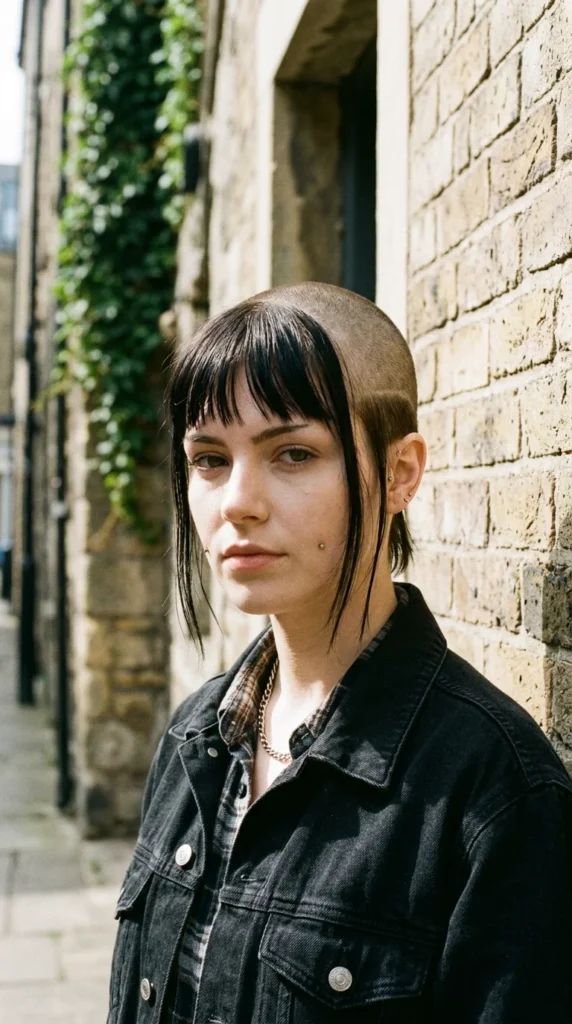
The Chelsea cut has deep roots in the skinhead and punk subcultures of the UK. It features a shaved or very short back and sides, with long, often feathered sections left at the front and over the ears.
- Boldness: It is an aggressive, statement-making cut that challenges traditional ideas of “pretty” hair.
- Customization: The length of the fringe and side-bits can be adjusted to suit your face shape, making it surprisingly versatile despite its harsh origins.
9. Deathhawk
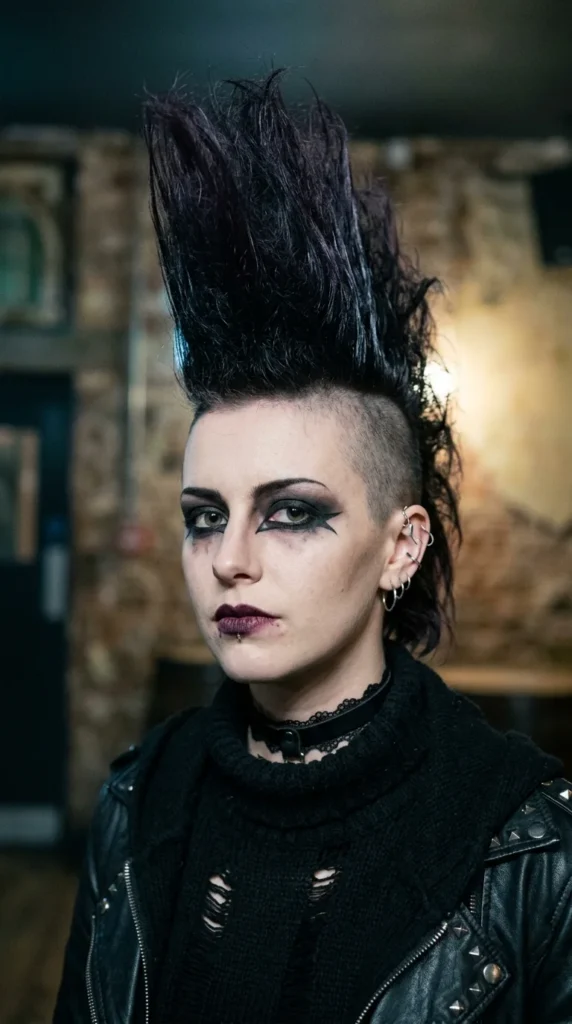
A variation of the mohawk, the Deathhawk is a staple of the Goth subculture. Instead of the clean, spiked lines of a traditional punk mohawk, the Deathhawk is characterized by being teased, “matted,” and wider at the base.
- Construction: It often involves shaving the sides of the head and using heavy-duty hairspray and backcombing to achieve height.
- The Aesthetic: It is dramatic, theatrical, and looks best when paired with dark, Victorian-inspired or post-punk fashion.
10. Asymmetrical Bob
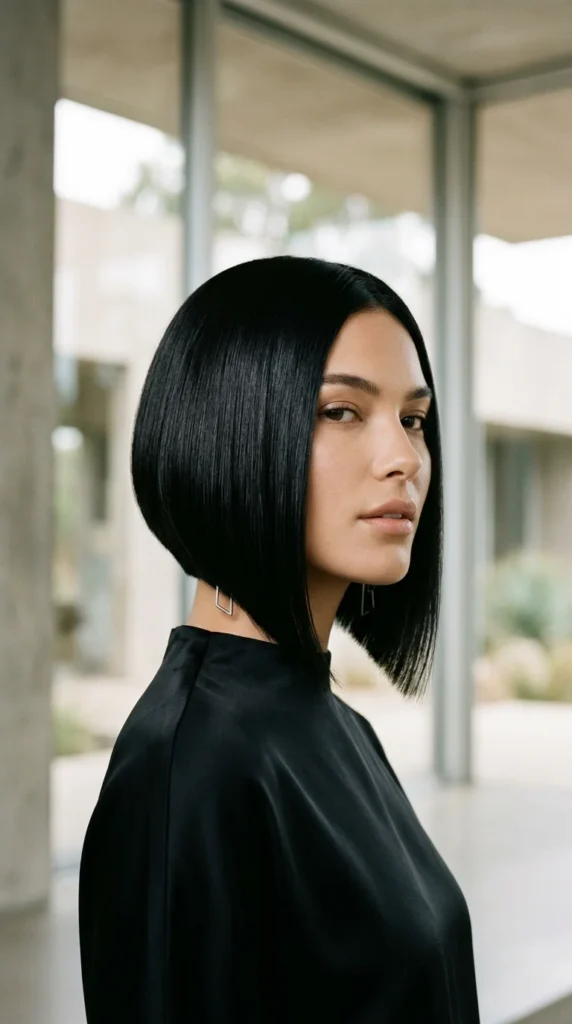
The asymmetrical bob is the perfect choice for someone who wants an alternative look that still retains a sense of polished sophistication. One side is cut short—sometimes even to the ear—while the other side angles down to the chin or shoulder.
- Precision: This cut relies on expert geometry. It’s a great way to experiment with “weird” shapes without going full-punk.
- Styling: It looks best when worn pin-straight to emphasize the dramatic difference in length.
11. Shaved Undercut
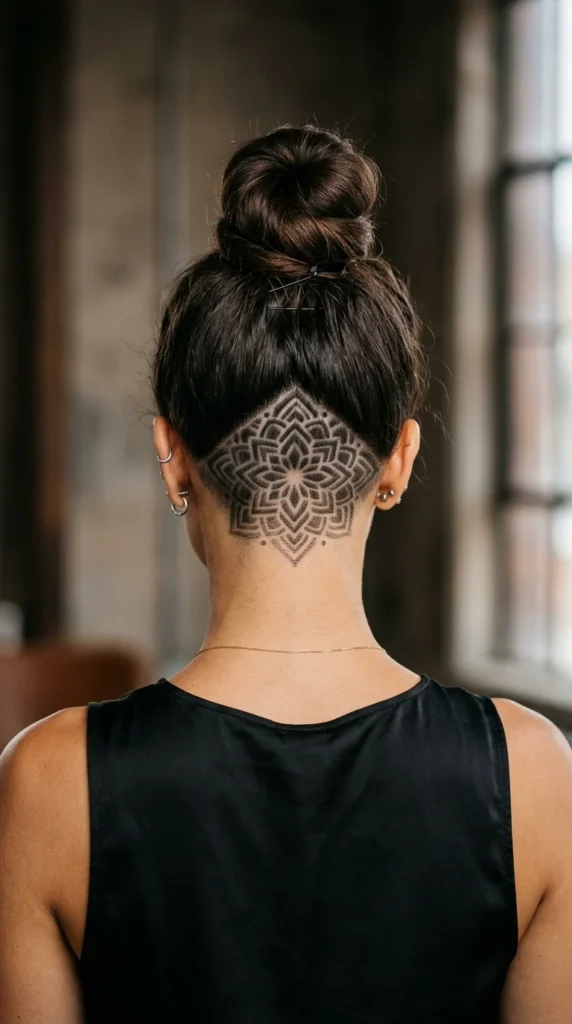
The undercut is the “secret” alternative haircut. It involves shaving the hair at the nape of the neck or on one side of the head, leaving the rest of the hair long enough to cover it when desired.
- The Reveal: This is perfect for people who need to look “professional” sometimes but want a hidden edge.
- Hair Art: Many people take the undercut a step further by having their barber shave intricate designs—like spiderwebs, stars, or geometric lines—into the buzzed section.
12. Shullet
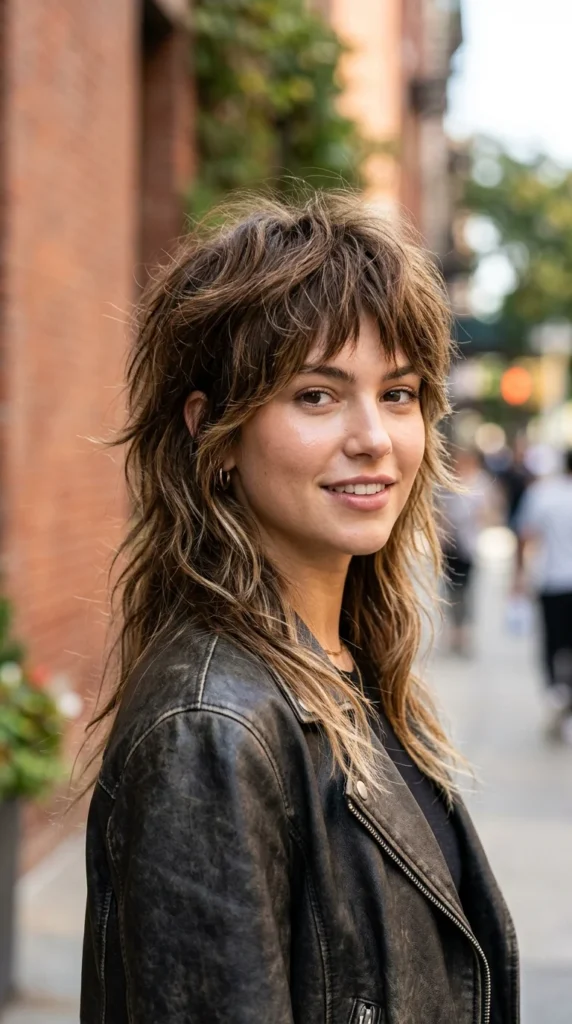
The Shullet (Shag + Mullet) is for those who find the traditional mullet too harsh and the shag too mainstream. It features the heavy fringe and layers of a shag but keeps the “tail” and shorter sides of a mullet.
- Texture Heaven: This cut is specifically designed to celebrate natural waves and curls. It’s all about movement and “organized chaos.”
- Effortless Cool: It requires very little daily styling; the more “undone” it looks, the better.
13. Patterned Buzz
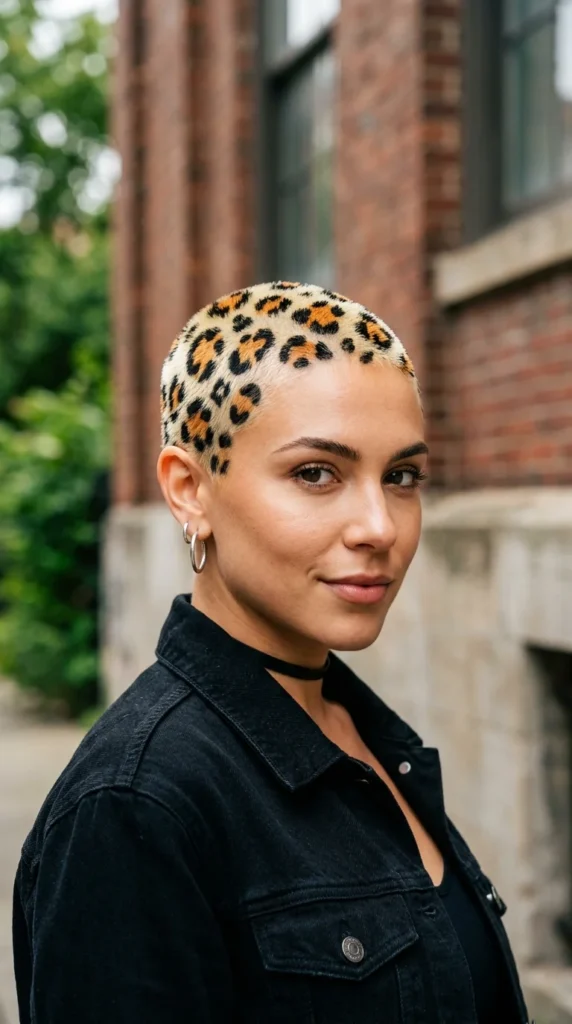
If a simple shaved head isn’t enough, the patterned buzz is the ultimate expression of hair-as-art. This involves using hair dye or bleach to “paint” patterns directly onto a very short buzz cut.
- Endless Options: From cheetah print and flames to flowers and abstract swirls, the scalp becomes a literal canvas.
- Temporary Nature: Because the hair is so short, it grows out quickly, allowing you to change your “mural” every few weeks.
Choosing Your Alternative Path
Switching to an alternative haircut is a journey of self-discovery. Before you take the plunge, consider your lifestyle and how much time you are willing to spend on maintenance. Some styles, like the Shullet, thrive on neglect, while others, like the Hime Cut or Micro-Bangs, require a dedicated relationship with your stylist.
Ultimately, hair grows back. The beauty of alternative styles lies in their transience and their ability to evolve alongside your personality. So, find a stylist who understands subculture aesthetics, bring plenty of reference photos, and don’t be afraid to cut away the expectations of others to find the version of you that feels most authentic.