
The 1990s were defined by a “don’t care” attitude that manifested in music, fashion, and most notably, hair. Grunge wasn’t just a genre; it was a subculture that rejected the polished, high-glamour aesthetic of the 80s in favor of something raw, rebellious, and unapologetically messy. Today, that aesthetic is back with a vengeance. Whether you’re looking to channel your inner rock star or just want a low-maintenance look that screams “cool,” these 10 grunge-inspired hairstyles will give you that perfect edge.
1. Shaggy Layers
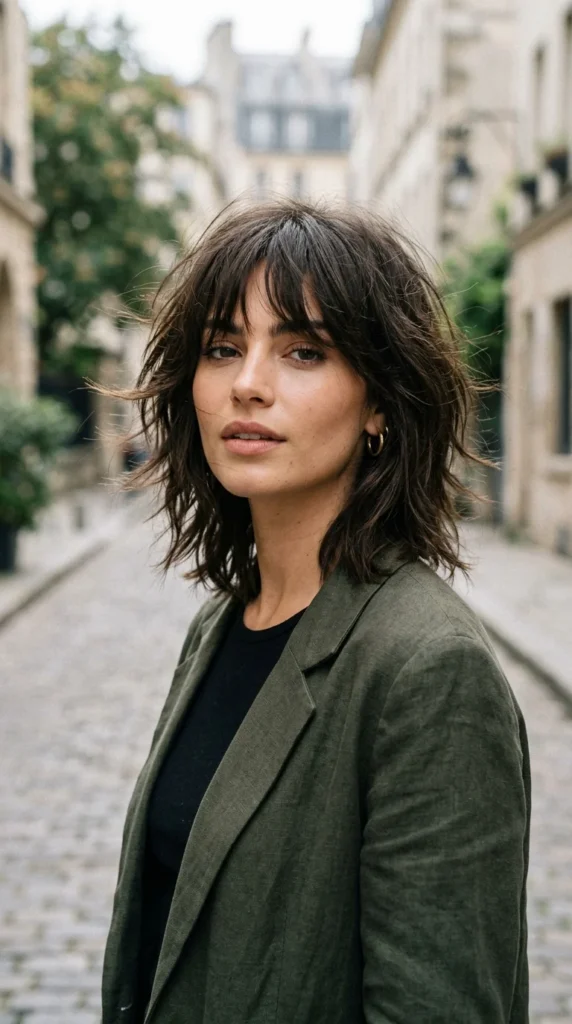
The quintessential grunge look starts with the “Wolf Cut” or a heavy shag. This style is all about movement and texture. Unlike the sleek, blended layers of modern salons, 90s grunge layers were purposefully choppy and uneven. This style works best for those who want to wake up, shake their hair out, and go. The key is to ask your stylist for razor-cut ends to give it that “lived-in” feel.
- Why it works: It adds instant volume to thin hair and removes weight from thick hair.
- Styling tip: Use a sea salt spray on damp hair and scrunch it to enhance the natural wave.
2. Bleached Blonde
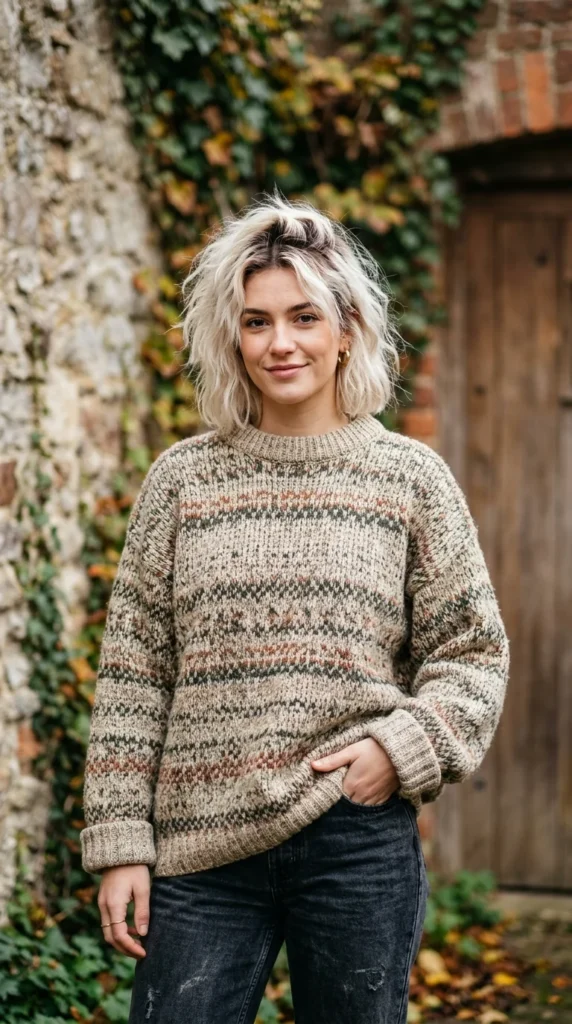
Nothing says “90s Seattle” quite like bleached blonde hair with visible dark roots. Popularized by icons like Kurt Cobain and Courtney Love, this look thrives on the contrast between the stark, icy blonde and the natural regrowth. It’s a deliberate rejection of “perfect” salon maintenance.
- Why it works: The dark roots add depth and a gritty, rebellious vibe to the face.
- Styling tip: Don’t worry about purple shampoo every day; a little bit of brassiness actually adds to the authentic vintage grunge aesthetic.
3. Baby Braids
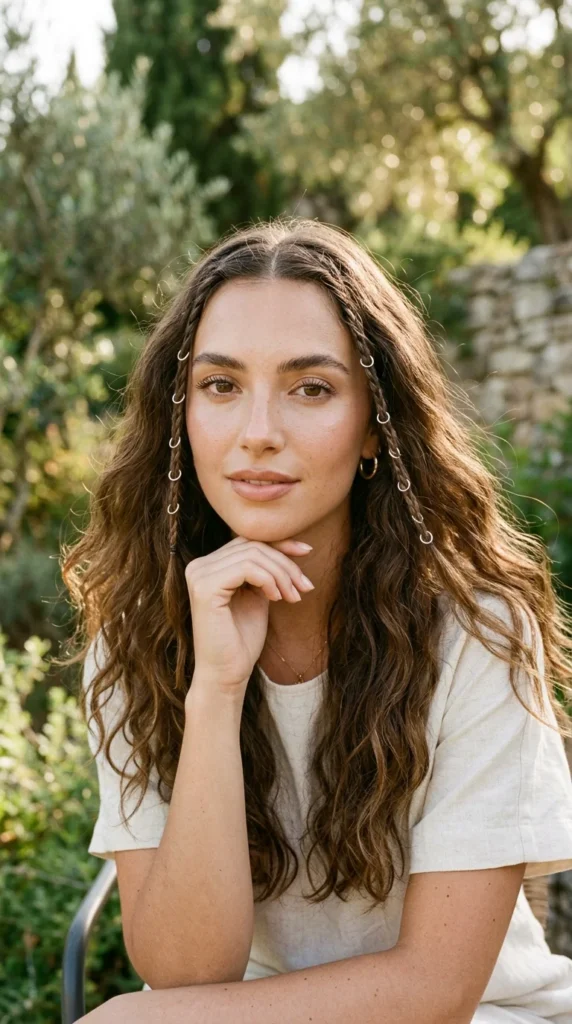
If you want a look that’s a bit more “grunge-fairy,” baby braids are the way to go. This involves taking two very small sections of hair from the front and braiding them all the way down. It’s a subtle nod to the bohemian side of the 90s while keeping the overall look edgy.
- Why it works: It keeps hair out of your face without the commitment of a full updo.
- Styling tip: Don’t use hair ties at the bottom; instead, backcomb the ends slightly to keep the braids in place for a more organic look.
4. Messy Buns
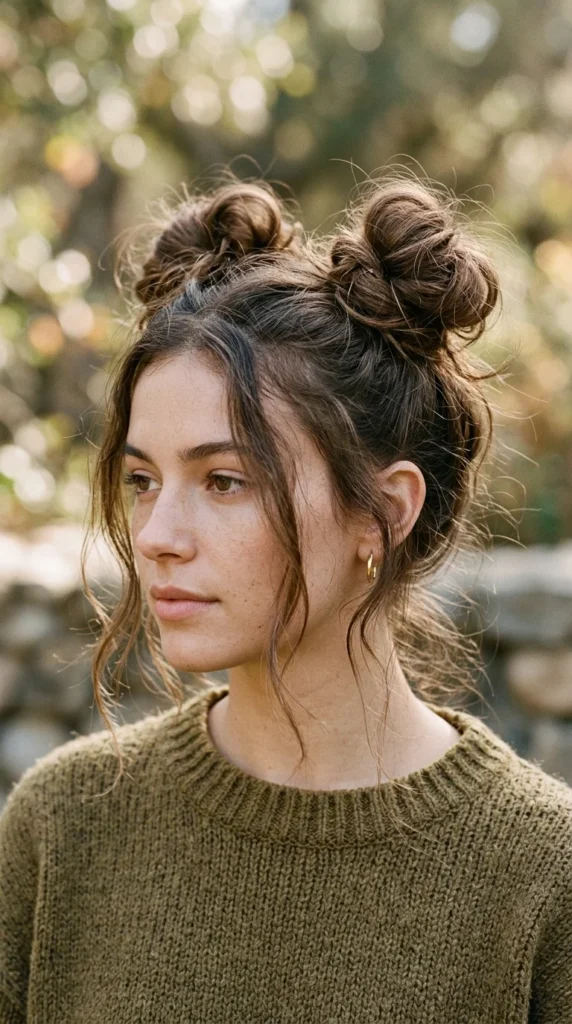
Forget the perfectly circular “sock buns” of the 2010s. The 90s version of buns—often called “space buns”—were meant to look like they were thrown together in five seconds. Whether you do one big messy knot at the crown or two smaller ones, the goal is to have “flyaways” and loose strands framing the face.
- Why it works: It’s the ultimate “dirty hair” day solution.
- Styling tip: Pull out two thick strands at the front to create “tendrils” that frame your jawline.
5. Dark Roots
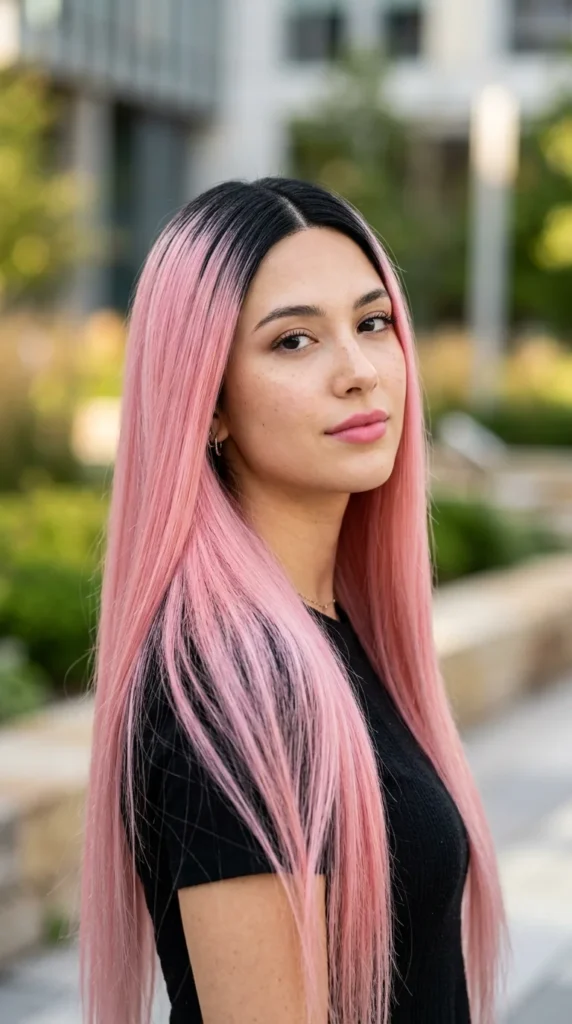
In the 90s, having your roots grow out wasn’t a mistake; it was a fashion statement. This look works exceptionally well with unconventional colors like pink, blue, or silver. The “shadow root” provides a grounded, grittier feel to otherwise “pretty” colors.
- Why it works: It makes the maintenance of dyed hair significantly easier.
- Styling tip: Use a bit of dry shampoo at the roots to give them lift so they don’t look greasy, just “grungy.”
6. Choppy Pixie
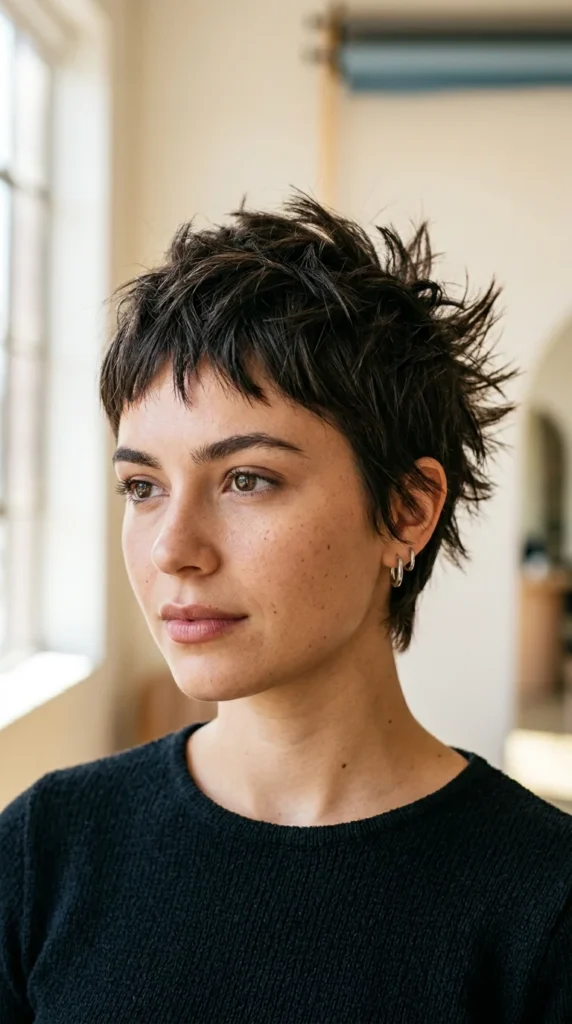
The grunge pixie cut is the antithesis of the “neat” short haircut. Think Winona Ryder in the mid-90s. It’s short, it’s textured, and it’s meant to look slightly overgrown. The edges are often jagged rather than tapered, giving it a DIY, punk-rock energy.
- Why it works: It highlights the cheekbones and eyes while remaining incredibly easy to style.
- Styling tip: Rub a small amount of pomade or hair wax between your fingers and “pinch” the ends of the hair to create piecey texture.
7. Crimped Texture
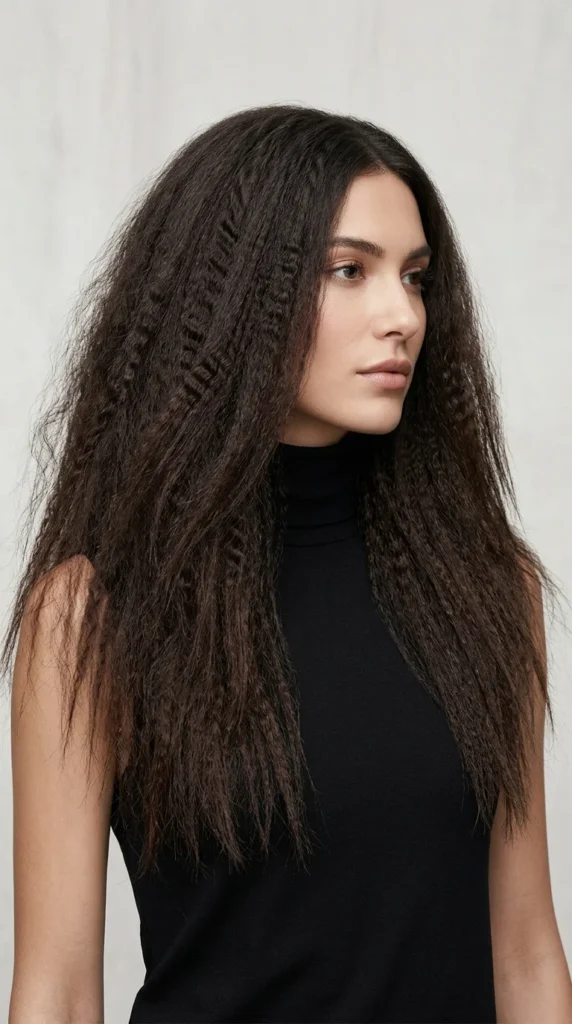
Crimping was massive in the 90s, but for a grunge twist, you don’t want to crimp your whole head. Instead, crimp random sections of hair to add an unusual, “fried” texture that breaks up the smoothness of your natural hair. It creates an almost sculptural, frizzy volume that fits the era perfectly.
- Why it works: It adds a unique visual interest and massive volume to flat hair.
- Styling tip: After crimping, brush through the sections slightly to soften the lines and make it look more natural.
8. Blunt Bob
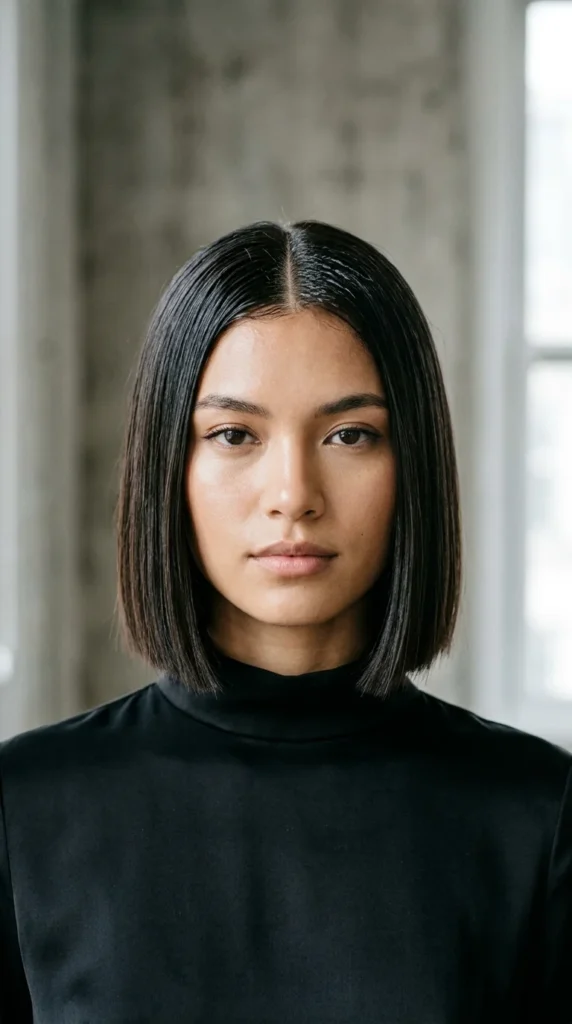
While much of grunge is about layers, the blunt bob offered a “heroin chic” alternative. This is a chin-length cut with no layers and a sharp, straight edge. It was often worn with a heavy middle part, tucked behind the ears, and paired with dark, moody lipstick.
- Why it works: It creates a frame for the face that feels modern yet distinctly retro.
- Styling tip: Use a flat iron to get it perfectly straight, then apply a tiny bit of hair oil to the mid-lengths for a “sleek-yet-lived-in” shine.
9. Front Tendrils
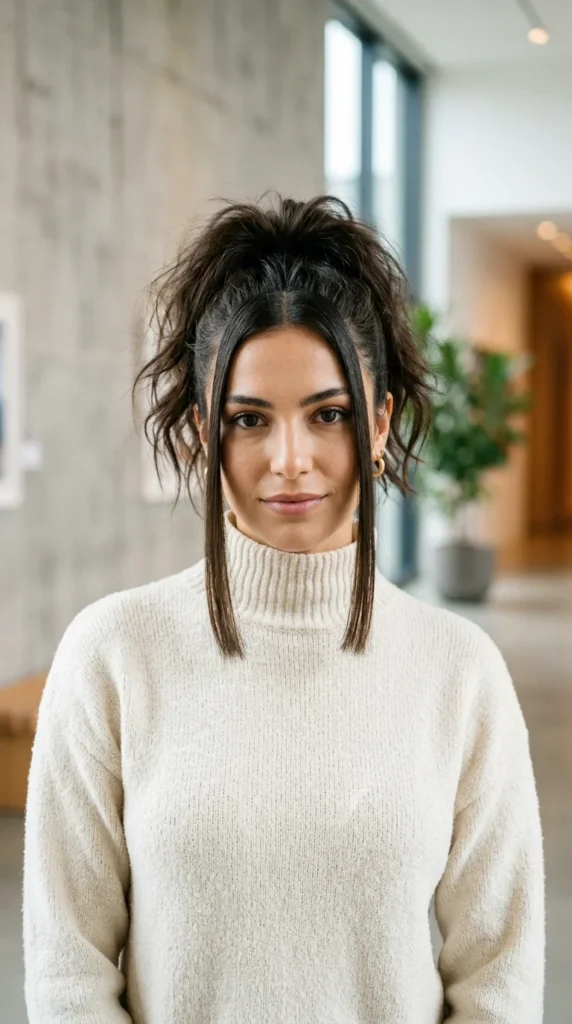
If you’re putting your hair up in a clip or a tie, the grunge rule is that you must leave two strands out. These “tendrils” were a staple of the 90s, providing a soft frame for the face while the rest of the hair was pulled back. They should be thick enough to be noticed but thin enough to look effortless.
- Why it works: It softens the harshness of an updo and hides the ears if you’re self-conscious about them.
- Styling tip: Run a straightener over the front strands to ensure they hang vertically and don’t curl away from the face.
10. Dyed Tips
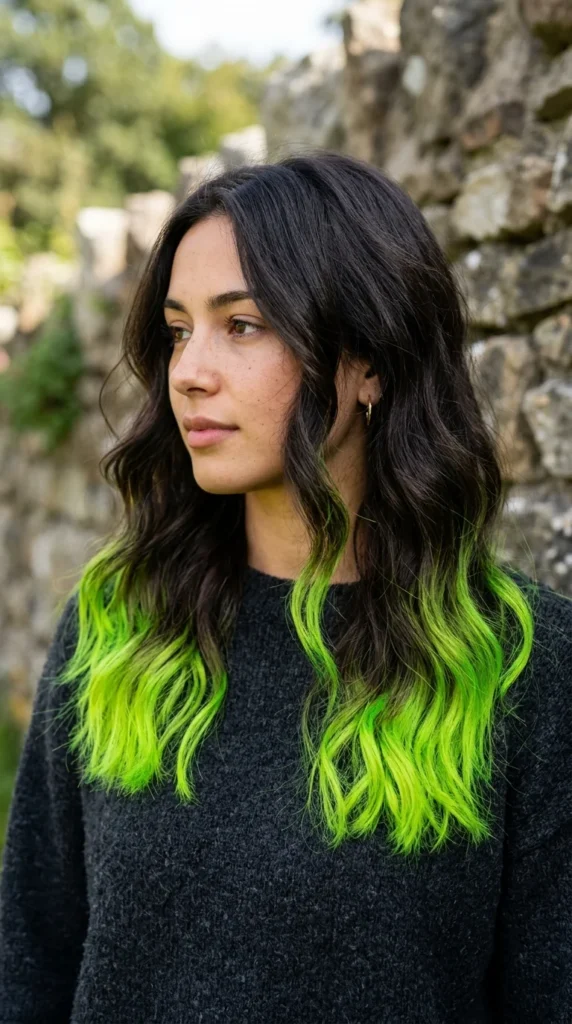
Before the “ombre” became a sophisticated salon trend, there were “dip-dyed” tips. This was the DIY version where only the ends of the hair were bleached and dyed in a bright, clashing color. It looks best when the transition isn’t perfectly blended, giving it that “I did this in my bathroom” charm.
- Why it works: It allows you to experiment with color without dyeing your entire head or damaging your roots.
- Styling tip: Choose high-contrast colors like black hair with red tips or blonde hair with blue tips for the maximum 90s impact.