In the high-octane world of netball, every millisecond counts. Whether you’re a Goal Attack dodging a defender or a Wing Defense hunting for an interception, the last thing you need is a stray strand of hair blurring your vision or a ponytail whipping across your face. Netball is a sport of sudden pivots, explosive jumps, and constant movement, demanding a hairstyle that is as resilient as the athlete wearing it.
The following thirteen hairstyles have been curated specifically for netballers who prioritize performance, security, and a “set-and-forget” mentality. These styles are designed to withstand 60 minutes of intense play, ensuring you stay focused on the ball and your teammates.
1. Bubble Pony
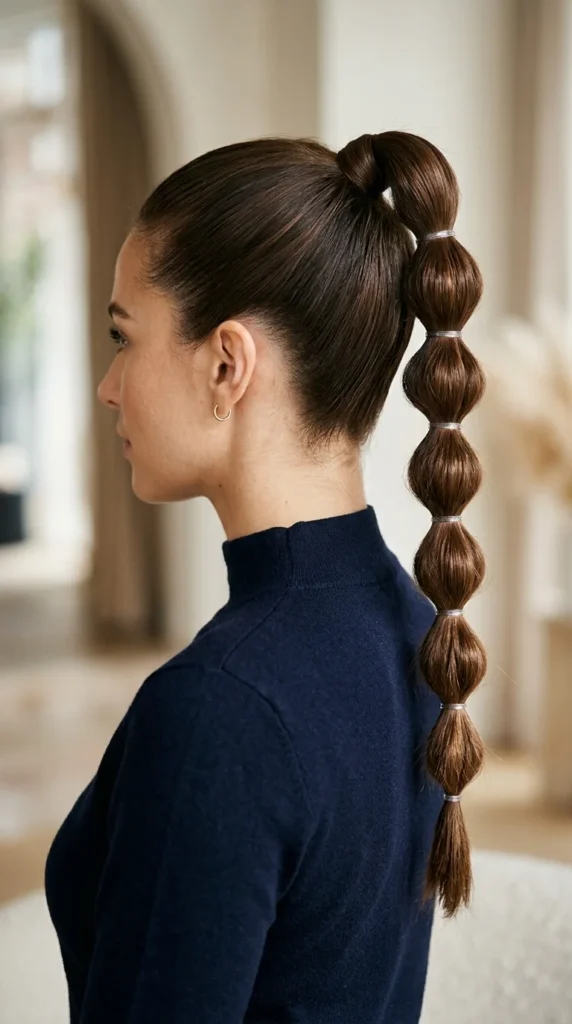
The Bubble Pony has quickly become a favorite on the international netball circuit. It offers the aerodynamic benefits of a traditional ponytail but adds multiple anchor points. By sectioning the hair with elastics every few inches, you prevent the “whip” effect that happens during sharp turns. It is particularly effective for players with long hair who find that a standard tail tangles or hits them in the eyes during a shot. To achieve maximum security, use “no-snag” elastics and slightly “pancake” or pull out each section to create the bubble shape, which helps tension stay even throughout the game.
2. Double Dutch
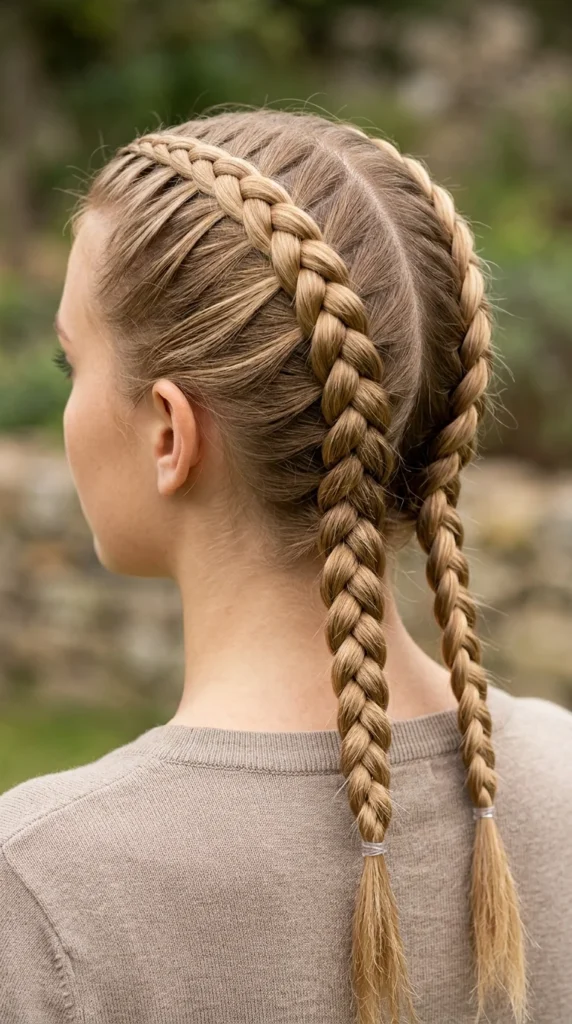
When it comes to absolute lockdown, Double Dutch braids are the gold standard. Unlike French braids, Dutch braids are inverted, meaning the hair is crossed under rather than over. This creates a raised braid that sits tightly against the scalp, pulling in every flyaway and “baby hair.” Because the hair is anchored from the forehead all the way to the nape of the neck, there is zero weight shifting when you jump. This style is also excellent for multi-day tournaments as it can often stay neat through multiple matches.
3. Sleek Bun
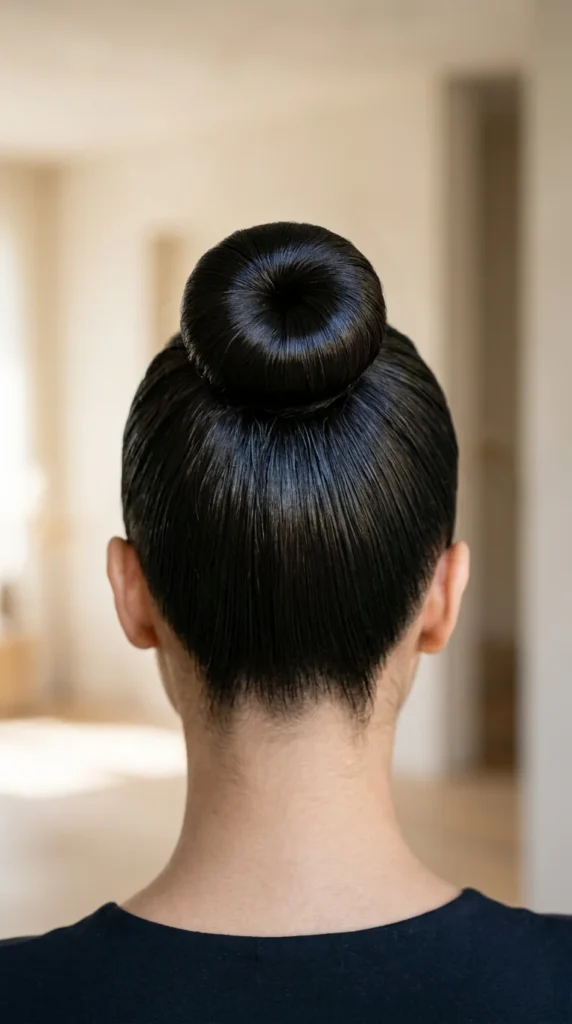
The Sleek Bun is the ultimate “zero-drag” hairstyle. By gathering all the hair at the crown and twisting it into a compact coil, you eliminate the possibility of hair getting caught in an opponent’s fingers or your own bib. The key to a netball-ready bun is the double-tie method: secure the ponytail first, then wrap the hair and secure it again with a second tie or a hairnet. For those with thick hair, using a “hair donut” or stuffing can actually make the bun too heavy; instead, opt for a braided bun for extra structural integrity.
4. Fishtail Braid
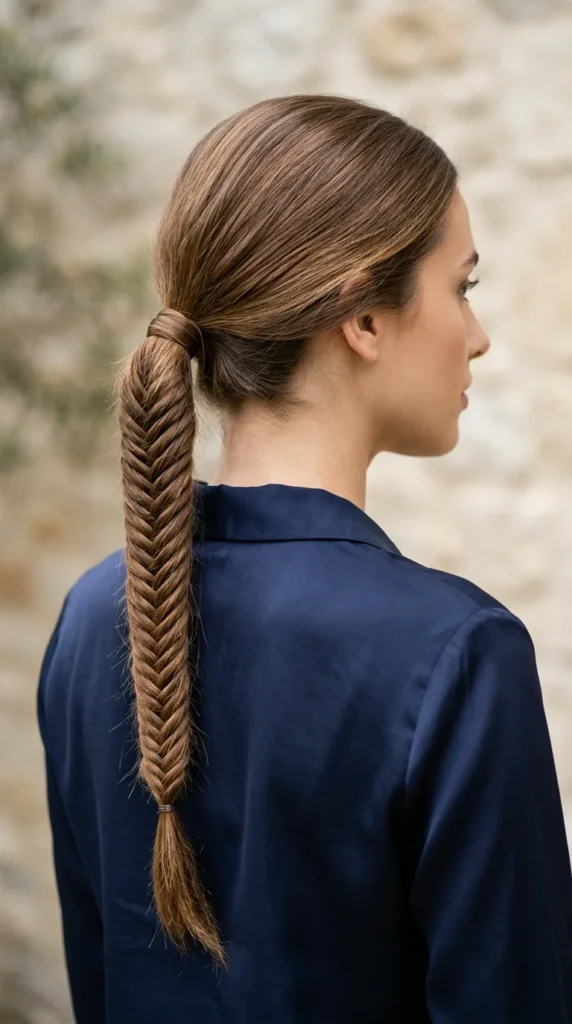
The Fishtail Braid is deceptively strong. While it looks elegant, the weave is much tighter than a standard three-strand braid. This tightness means that even as you sweat and move, the individual strands are less likely to slip out. For netballers, starting the fishtail from a secured ponytail base is essential. This prevents the top of the style from loosening during the game. It’s a great option for players with layered hair, as the fine weave of the fishtail catches shorter layers more effectively than a chunky braid.
5. Segmented Tail
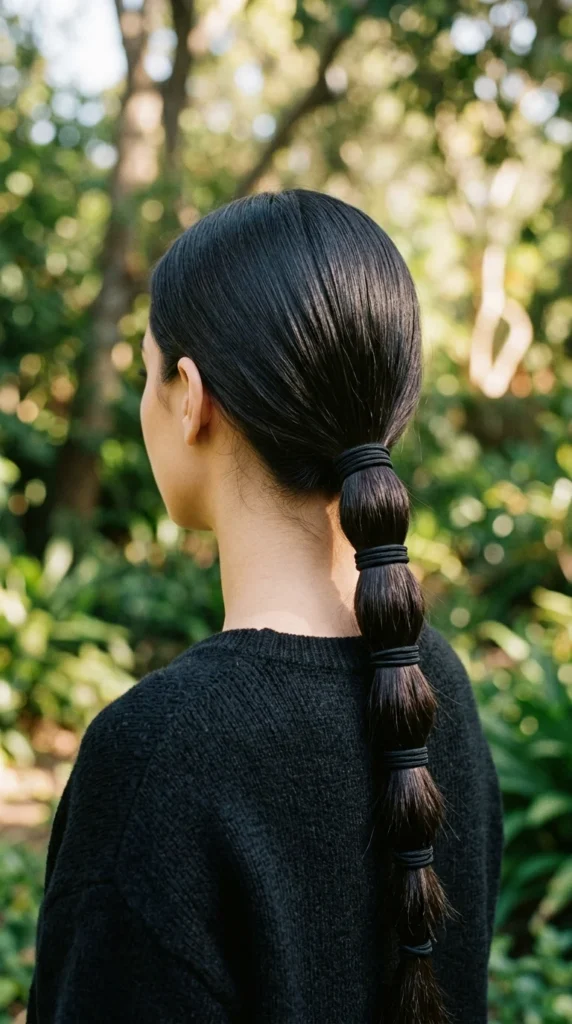
If you prefer a lower center of gravity, the Segmented Tail is your go-to. Similar to the bubble pony but kept sleek and flat, this style uses multiple bands to keep the hair in a singular, heavy column. This prevents the hair from fanning out and becoming a distraction. It’s an excellent choice for defenders who spend a lot of time looking upward at the goal ring, as the hair stays flat against the back and out of the line of sight.
6. Braided Bun
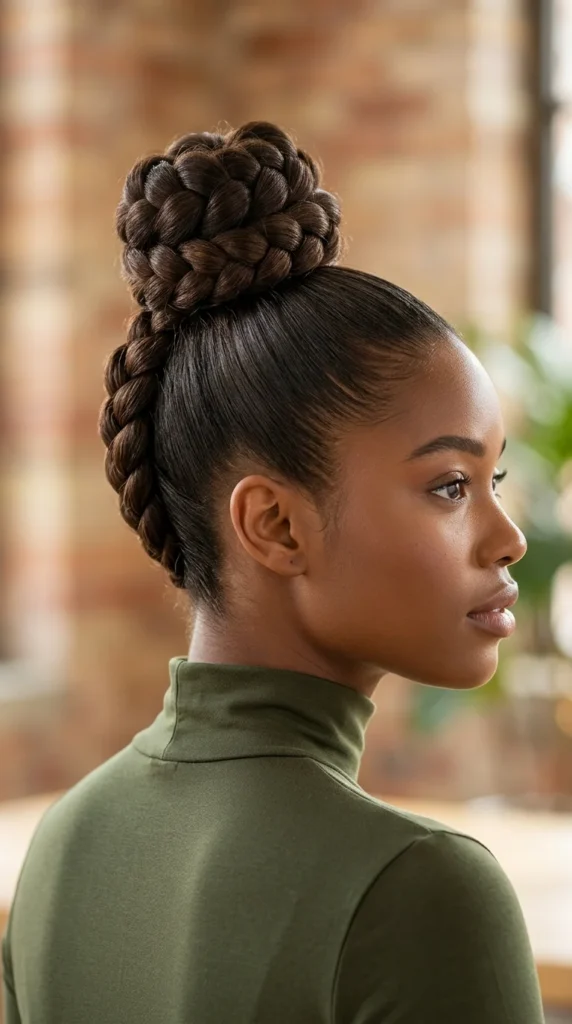
The Braided Bun combines the security of a braid with the compactness of a bun. By braiding the ponytail before coiling it, you create a textured surface that “locks” into itself. This makes it much less likely to wobble or fall down during high-impact landings. It’s the preferred choice for Centers and Mid-court players who cover the most distance on the court and need a style that won’t require adjustment during the quarter breaks.
7. Cornrows
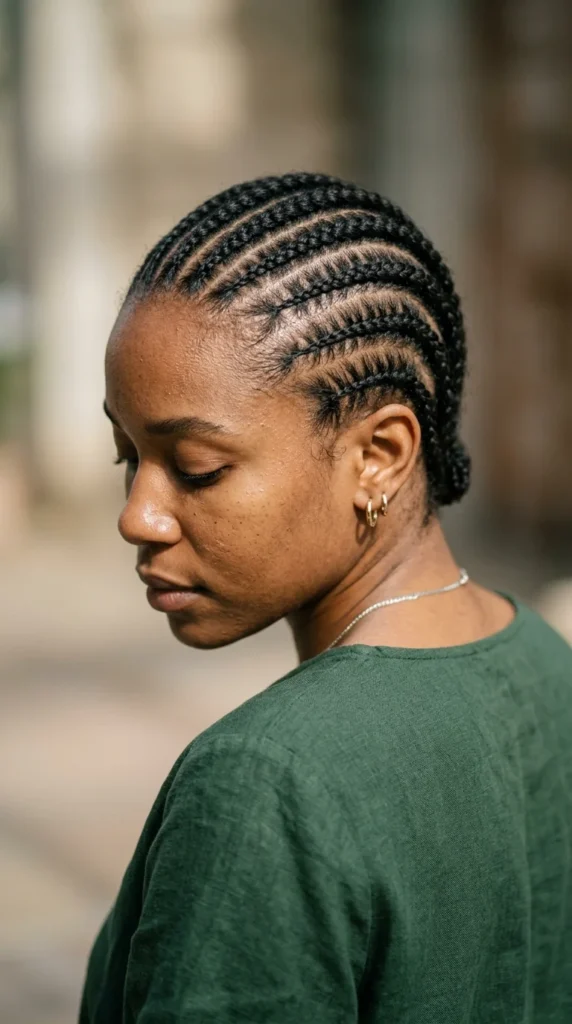
For the athlete who wants zero maintenance during game week, cornrows are unmatched. This traditional style keeps hair incredibly close to the scalp, offering the most aerodynamic profile possible. It eliminates all friction and weight movement. Cornrows are particularly beneficial for players with natural or textured hair, providing a protective style that allows for full range of motion without any risk of hair interference.
8. Space Buns
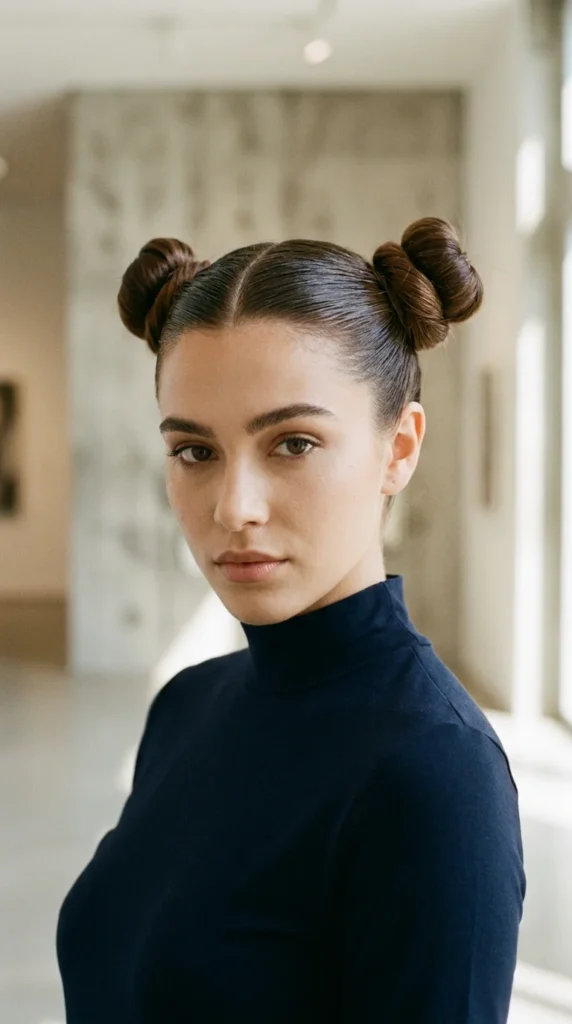
Double buns, or “Space Buns,” are more than just a style statement. By splitting the hair into two sections, you distribute the weight of the hair across two anchor points on the head. This can be much more comfortable for players who find that a single high bun or ponytail causes tension headaches during long games. Ensure they are placed high and slightly toward the back so they don’t interfere with your peripheral vision when looking for a pass.
9. Crown Braid
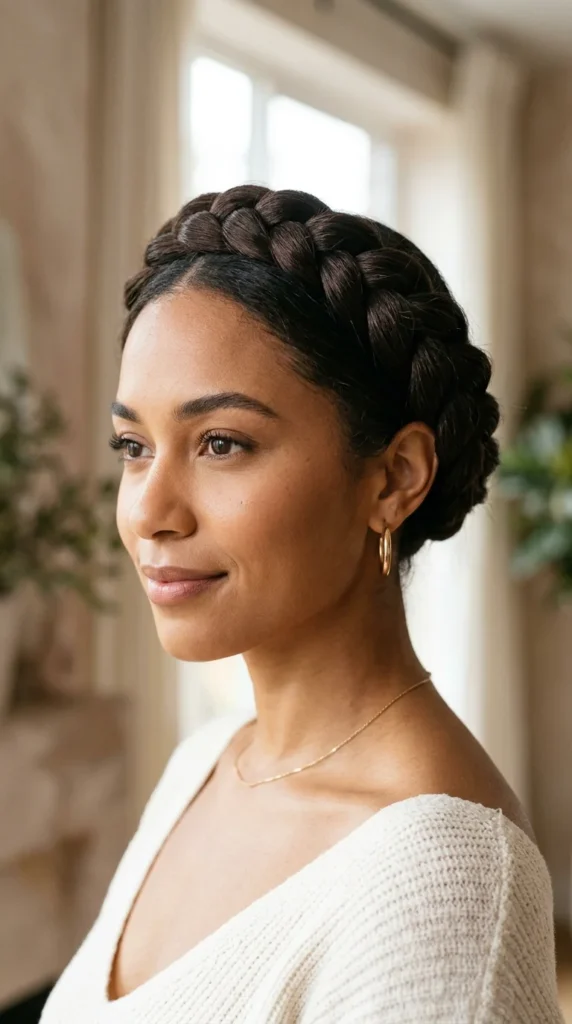
The Crown Braid, or Halo Braid, is the most secure way to keep hair entirely off the neck and face. This is a game-changer for summer netball or indoor courts where heat can become an issue. By weaving the hair around the circumference of the head, you create a self-supporting structure. Since there is no “tail,” there is nothing to swing or distract you. It’s a sophisticated, high-performance look that says you mean business.
10. Quadruple Pony
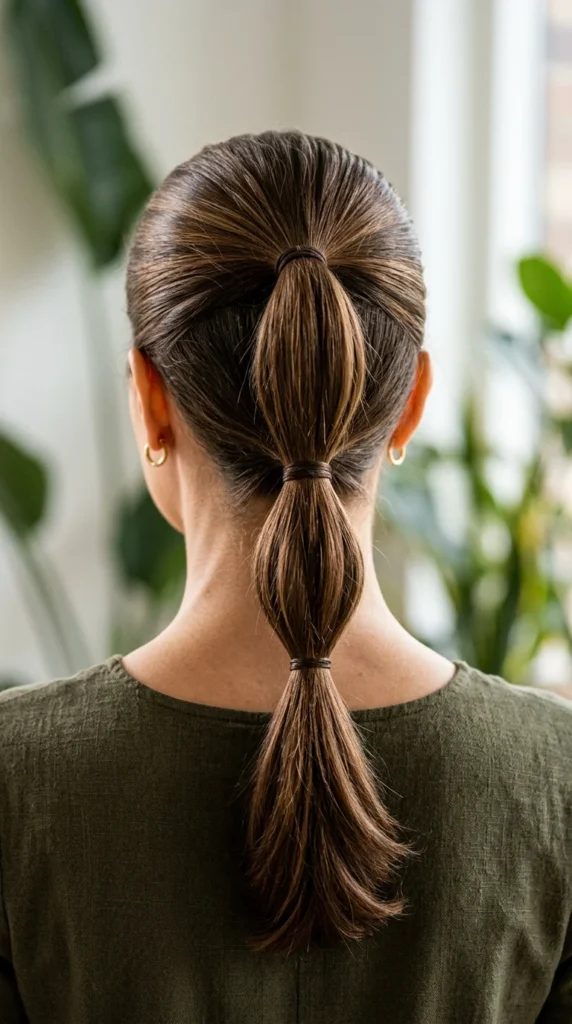
The Quadruple Pony (or “Pony Link”) is designed for players with shorter layers or “fringes” that always seem to escape. By starting with a small ponytail at the very front and linking it into a second, then a third, you create a chain of security. Each section holds the previous one in place, making it nearly impossible for hair to fall into your face, even during the most aggressive defensive play.
11. Pineapple Lift
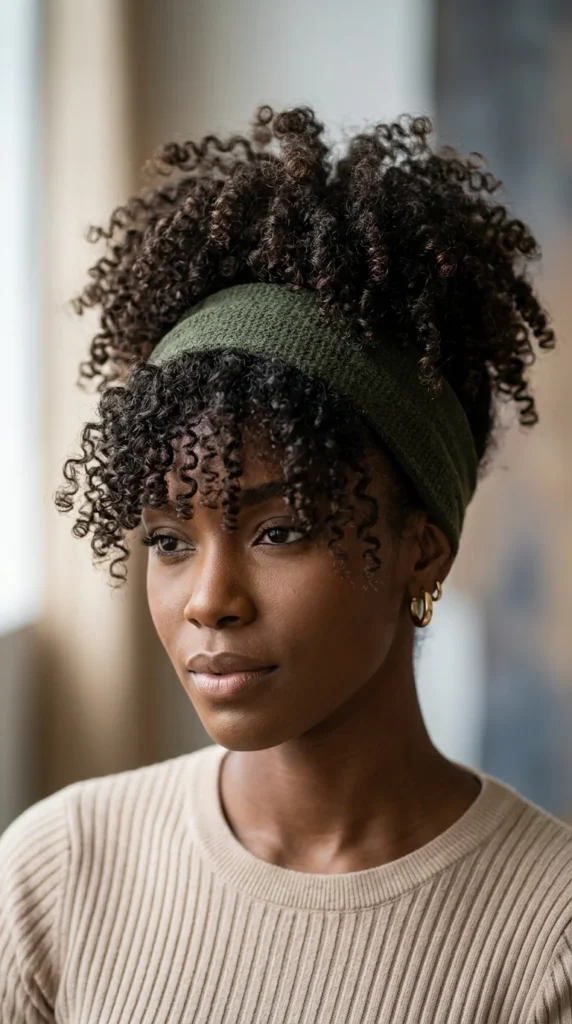
For netballers with beautiful, voluminous curls, the “Pineapple” is a functional way to manage volume. By gathering the hair at the very top and front of the head, you keep the bulk of the hair from bouncing against the back of your neck. To make this netball-ready, pair the pineapple with a wide, silicone-grip headband. This ensures the shorter curls at the nape and sides stay put while you’re sprinting.
12. French Twist
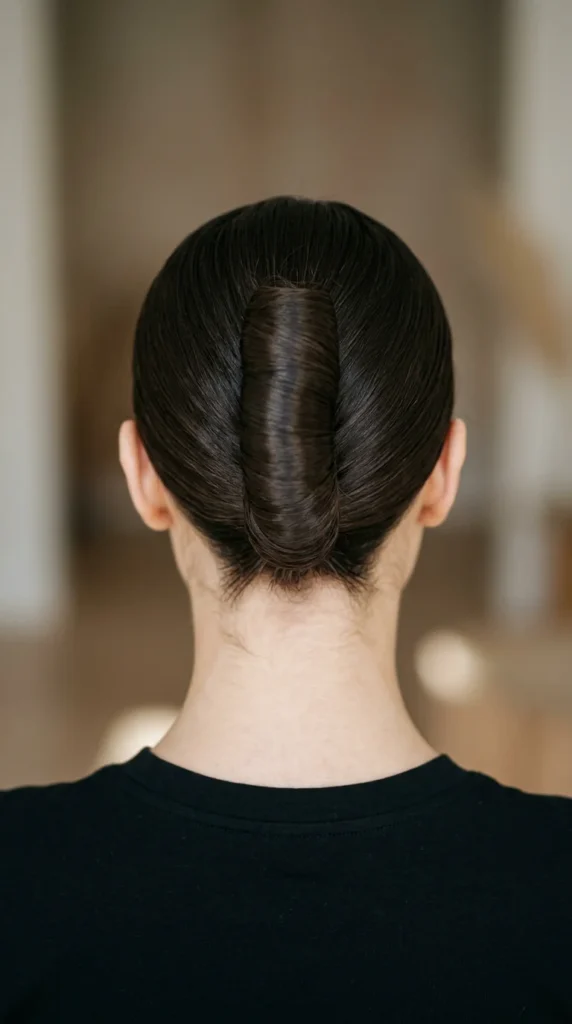
While often seen as a formal style, a “Sport French Twist” is incredibly effective for players with medium-length hair. By rolling the hair inward and securing it with heavy-duty pins or a large clip (if allowed by league safety rules, though pins are usually safer), you create a solid mass that doesn’t move. It keeps the neck completely clear and prevents the “shag” look that can happen to shorter hair in a ponytail after 15 minutes of play.
13. Triple Threat Braid
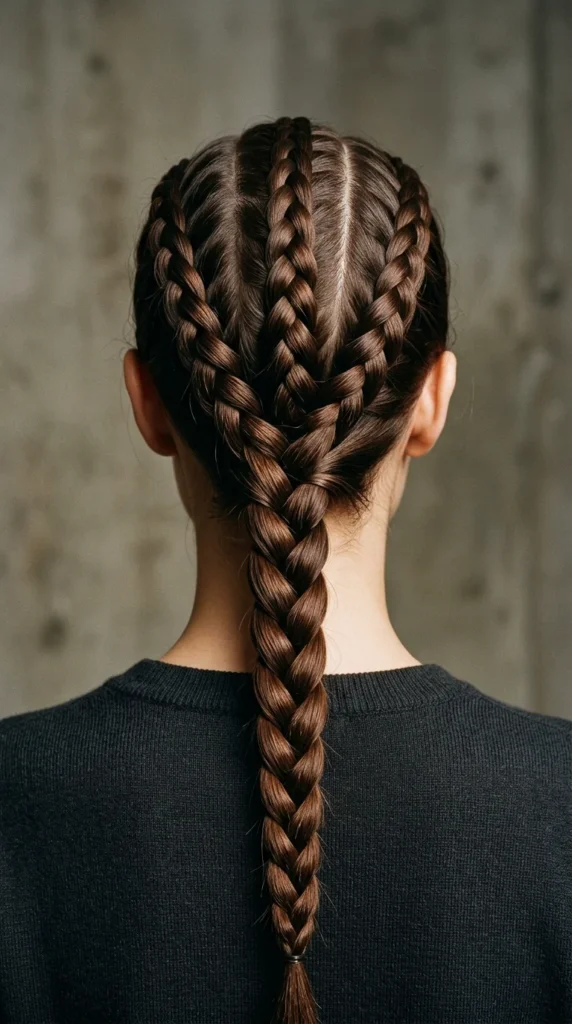
The Triple Threat involves three small French or Dutch braids at the crown—one down the center and one on each side—which then merge into a single tail or bun. This style provides 360-degree security. It’s especially useful for players who find that the sides of their hair tend to bag or loosen during the game. By anchoring the sides independently, you ensure that the hair around your ears stays tight and out of the way of your peripheral vision.
Pro-Tips for Game-Day Hair
To ensure these styles survive the final whistle, keep these three professional tips in mind:
- Ditch the Fresh Hair: Freshly washed hair is often too slippery. For the best grip, style your hair on “day two” or use a dry shampoo/texturizing spray to give the hair some “grit.”
- Double Elastic Method: Always use two hair ties for the base of any ponytail or bun. If one snaps during a crucial play, the second one will save your game.
- Product is Key: Use a strong-hold gel or pomade on the “flyaway” areas (hairline and nape). Once styled, finish with a high-performance hairspray to create a barrier against sweat and humidity.