If you have long, thick hair, you know the “hiker’s headache” all too well. It usually starts around mile three: a dull throb at the base of your skull or a sharp pull at your temples. The culprit? That high, bouncy ponytail you thought was a good idea. While ponytails are the go-to for convenience, they concentrate the entire weight of your hair on a single square inch of your scalp. On a steep incline, that weight bounces with every step, leading to tension headaches and hair breakage.
The secret to a successful day on the trail isn’t just the right boots—it’s weight distribution. By spreading the weight of your hair across your scalp or securing it close to the nape of your neck, you can hike for hours without a single stray tug. Here are 15 stylish, functional, and most importantly, headache-free hairstyles for your next outdoor adventure.
1. Dutch Braids
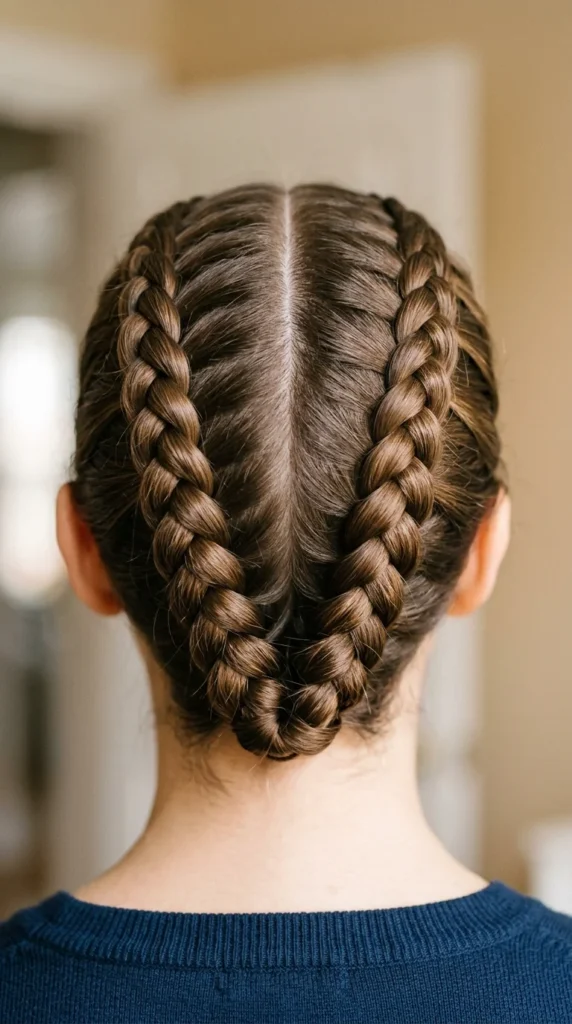
Dutch braids, often called “inside-out” French braids, are the gold standard for hiking. Because the hair is woven under rather than over, the braid sits on top of the head, creating a secure “anchor” that doesn’t budge. This style is exceptional for weight distribution because it tacks the hair down from the hairline all the way to the neck. It’s also incredibly aerodynamic and keeps flyaways out of your face when the wind picks up on a ridge line.
2. Fishtail Braid
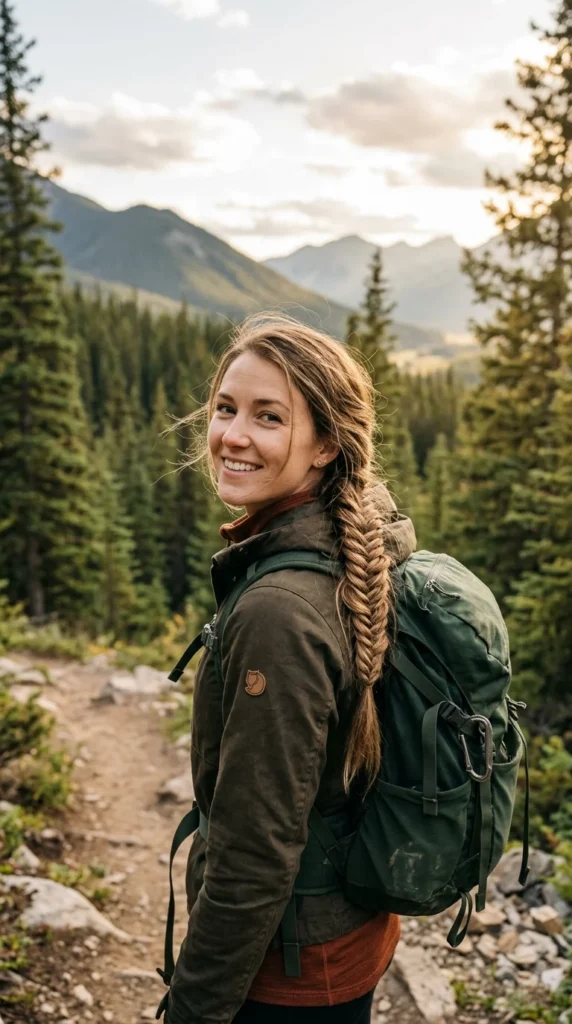
The fishtail braid is deceptively strong. While it looks delicate and intricate, the weave is much tighter than a standard three-strand braid. For hikers, this means less friction and less “shuffling” of the hair as you move. To prevent headaches, start the fishtail at the very base of your neck. Keeping the center of gravity low ensures that your hair doesn’t pull against your scalp as you climb.
3. Bubble Braids
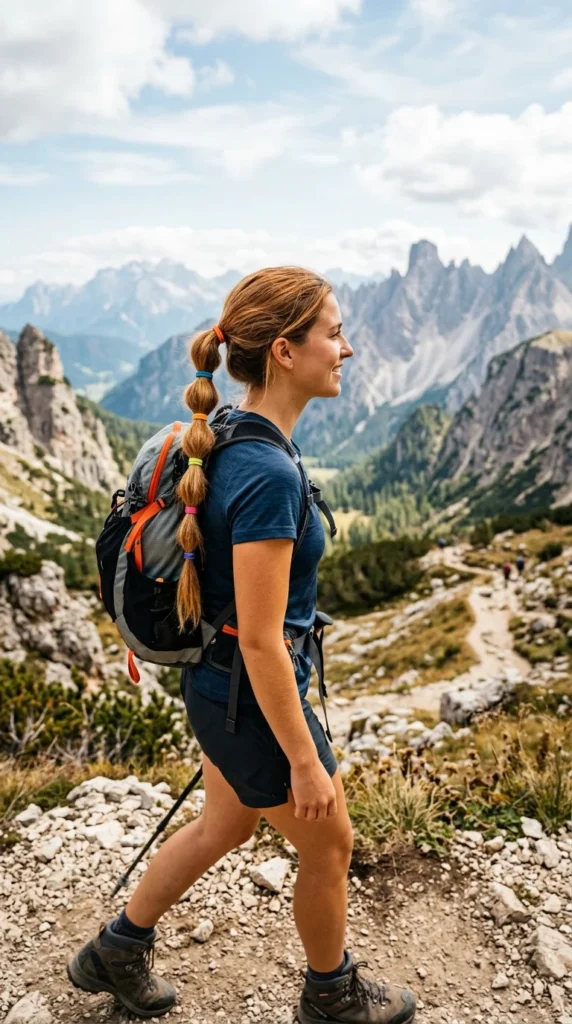
If you aren’t a master braider, bubble braids are your new best friend. By using multiple elastics down the length of a low ponytail, you create “points of contact” that prevent the hair from tangling or whipping around. The key to making this headache-free is to keep the initial tie at the nape of the neck loose and use “telephone cord” style hair ties that don’t pinch the scalp.
4. Low Bun
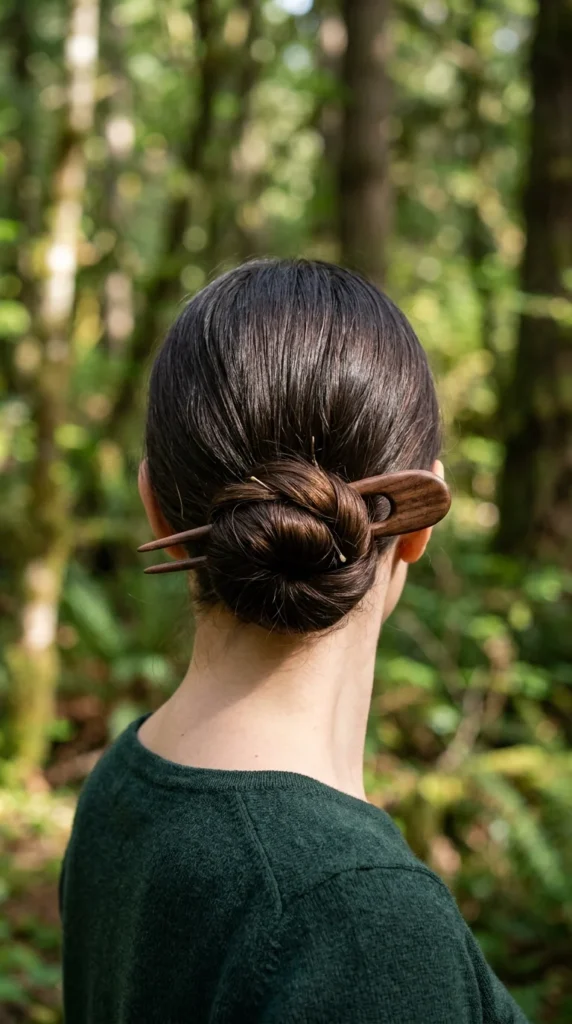
The high “top knot” is a recipe for a migraine, but the low bun is a hiker’s dream. By resting the weight of your hair against your neck rather than letting it hang from the crown, you eliminate gravity-induced tension. Use a large claw clip or a hair spiral (spin pin) instead of a traditional elastic to distribute the pressure even more effectively.
5. Crown Braid
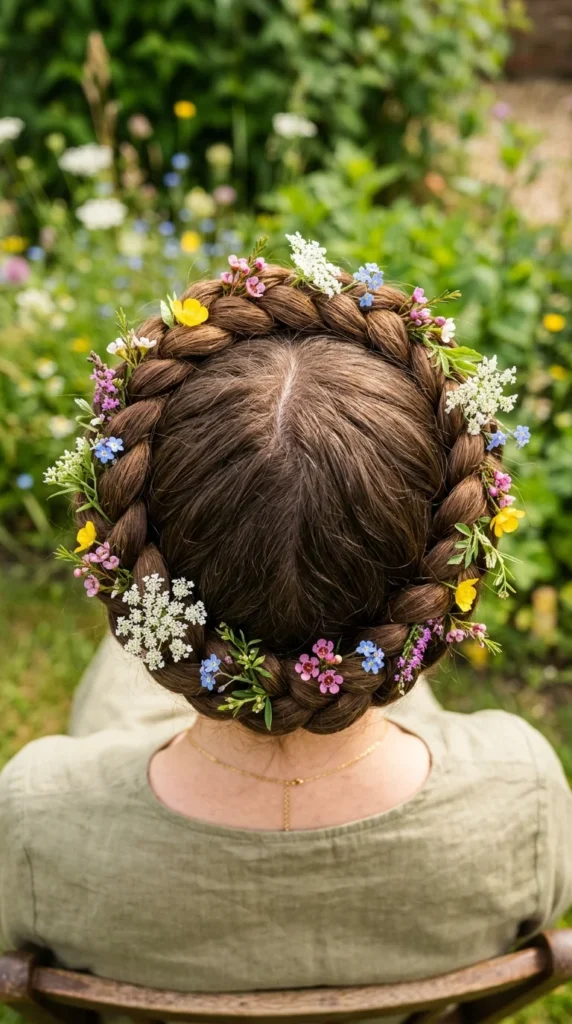
The crown braid is the ultimate “set it and forget it” style. By wrapping your hair around your head, you are essentially turning your hair into its own headband. The weight is distributed 360 degrees around your skull, making it feel virtually weightless. This is the perfect style for multi-day backpacking trips where you don’t want to redo your hair every morning.
6. Side Braid
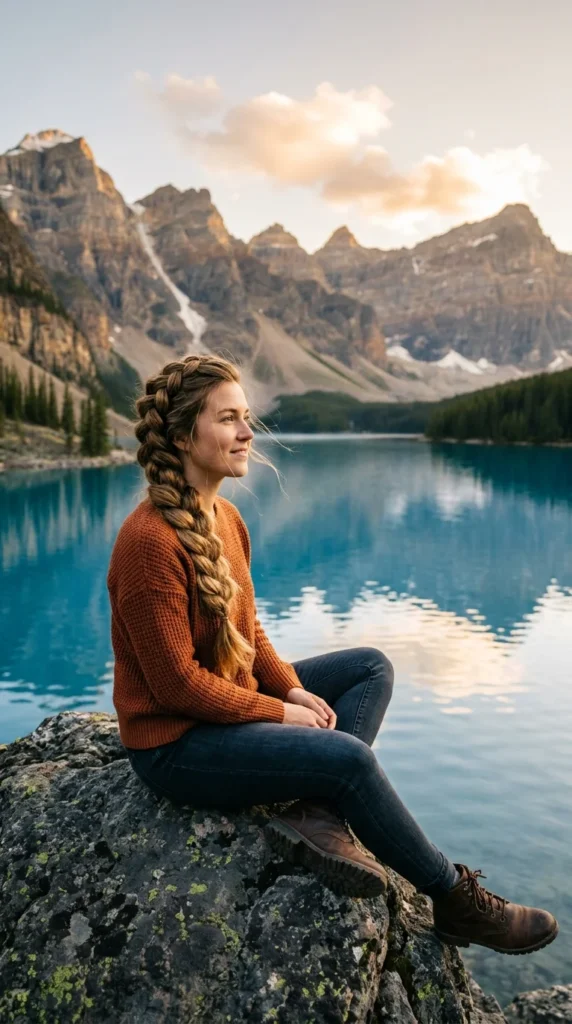
Sometimes simplicity is best. A side braid allows you to wear a wide-brimmed sun hat or a hooded rain shell without a lump at the back of your head. Because the braid rests on your chest or shoulder, the weight isn’t pulling on your scalp at all. It’s the most relaxed option for a casual day hike.
7. French Braids
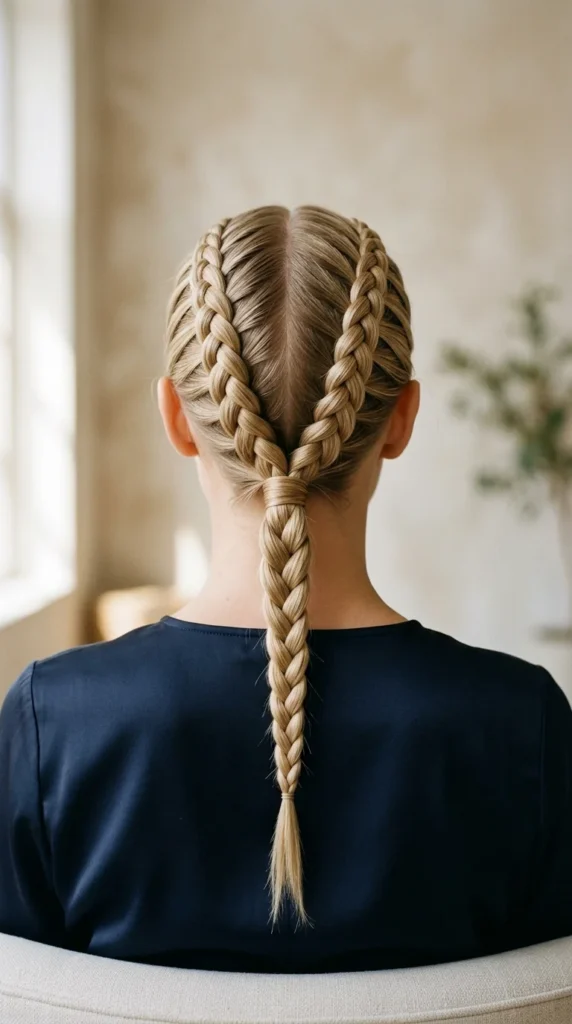
The classic twin French braid is a staple for a reason. It keeps the hair flat against the head, which is essential if you need to wear a climbing helmet or a tight-fitting beanie. Unlike a single braid, double braids divide the weight of the hair into two sections, reducing the load on any one part of the scalp.
8. Space Buns
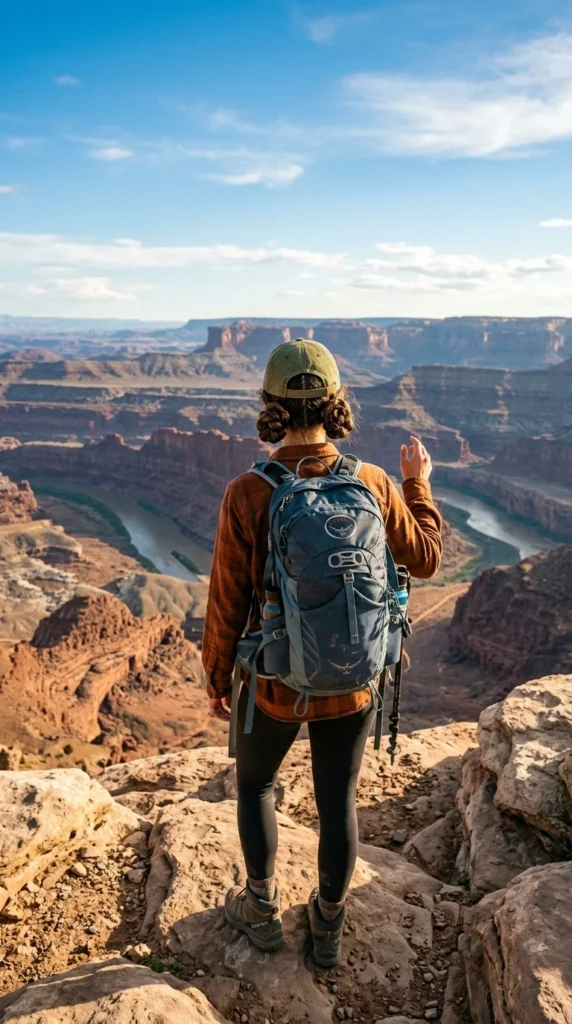
High space buns can be heavy, but low space buns (positioned behind the ears) are a fantastic way to manage massive amounts of hair. By splitting the hair into two distinct “packages,” you prevent the “heavy mass” feeling that often comes with a single bun. Plus, they look great in trail photos!
9. Micro Braids
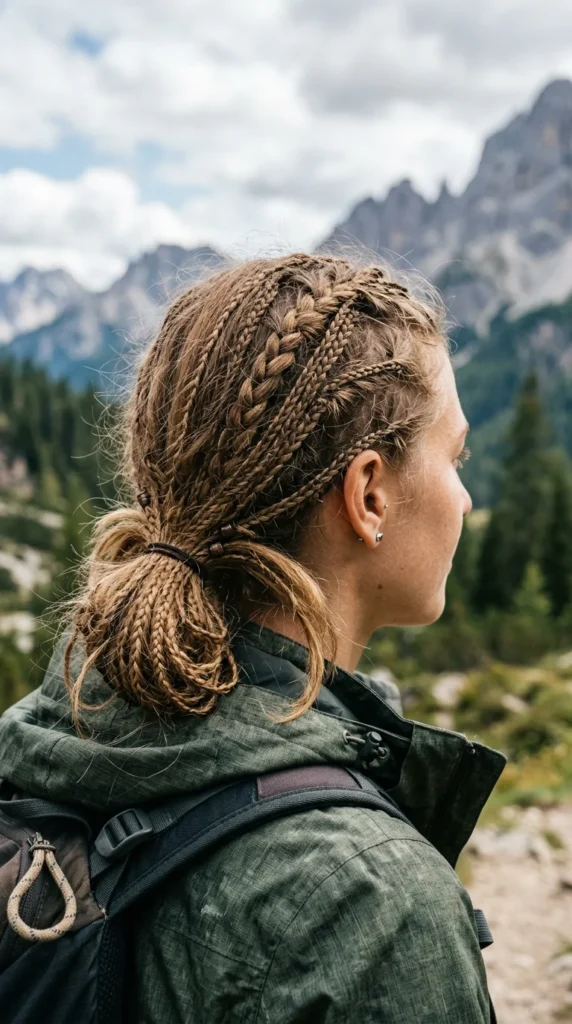
For those with extremely long hair, incorporating several micro braids into a larger style can help “lock” shorter layers in place. This prevents those annoying “pokies” from hitting your neck and causing itchiness during a long trek. Gathering these micro braids into a low, loose tie ensures the weight remains manageable.
10. Twisted Halo
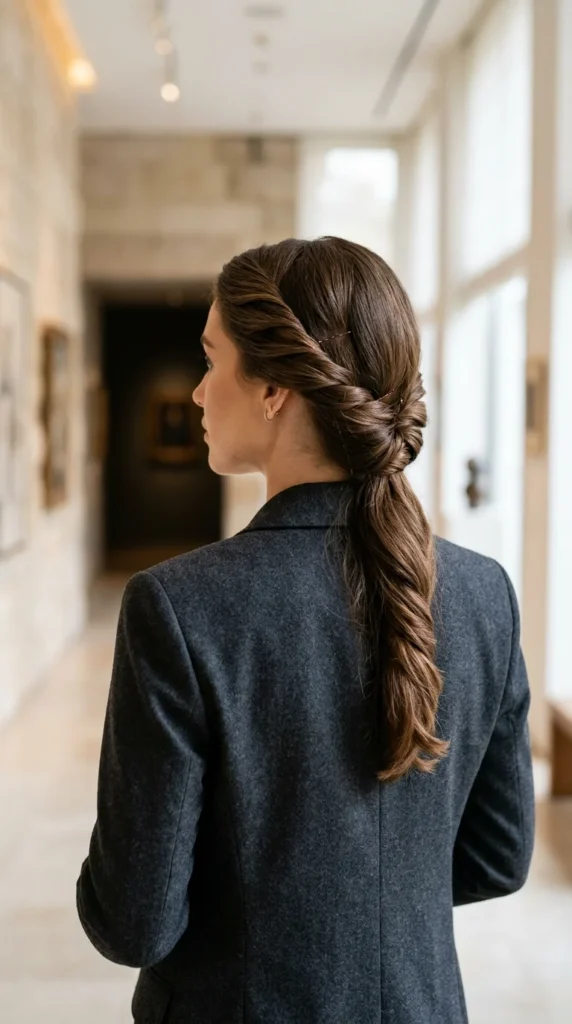
A twisted halo is a great alternative for those who find braiding difficult. By twisting sections of hair from the temples toward the back, you create tension-free security. It keeps the hair out of your eyes and mouth—vital when you’re scrambling over rocks—without the tightness of a traditional ponytail.
11. Pull-Through Braid
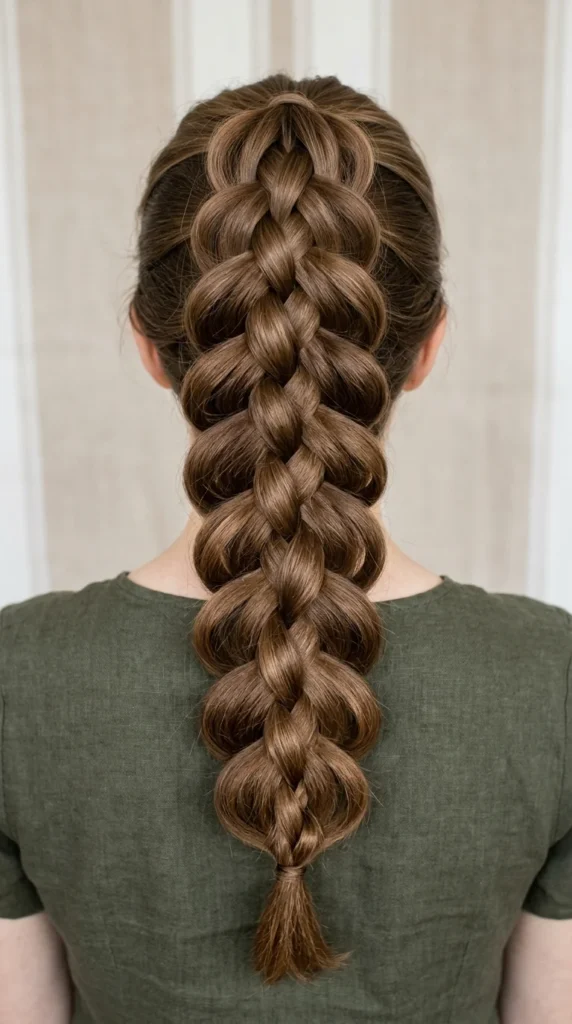
The pull-through braid is a “faux” braid created using small elastics. It is perfect for hikers because each section is independently secured. If one part of the braid gets snagged on a branch, the whole style won’t fall apart. It provides incredible volume without the heavy “pull” associated with traditional braiding.
12. Braided Ponytail
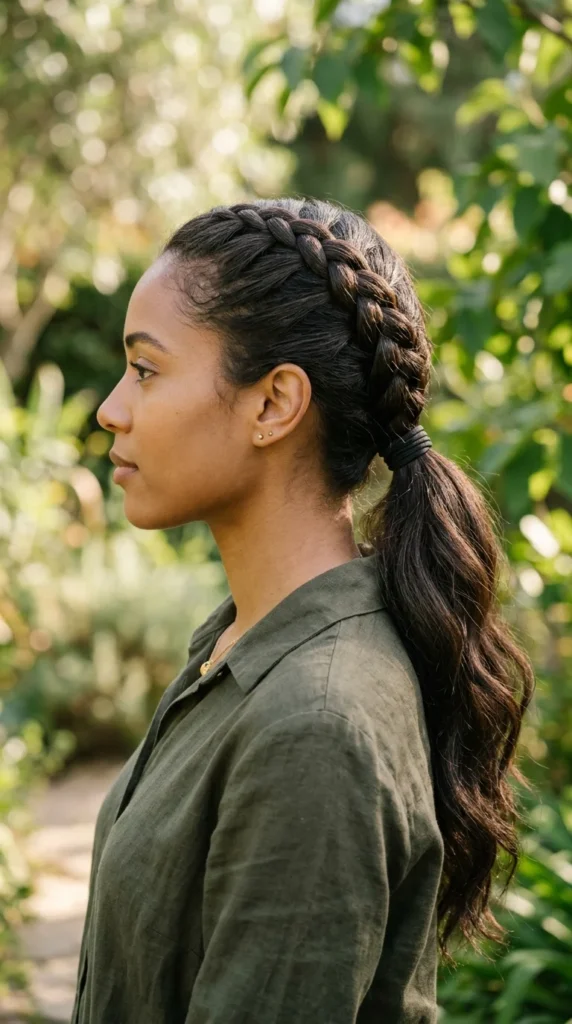
If you absolutely must have a ponytail, try the “braided start” method. By French braiding the top third of your hair before securing the rest in a tie, you create a foundation that supports the weight of the ponytail. This prevents the “sagging” effect that causes the elastic to pull painfully on the front of your scalp.
13. Scarf Wrap
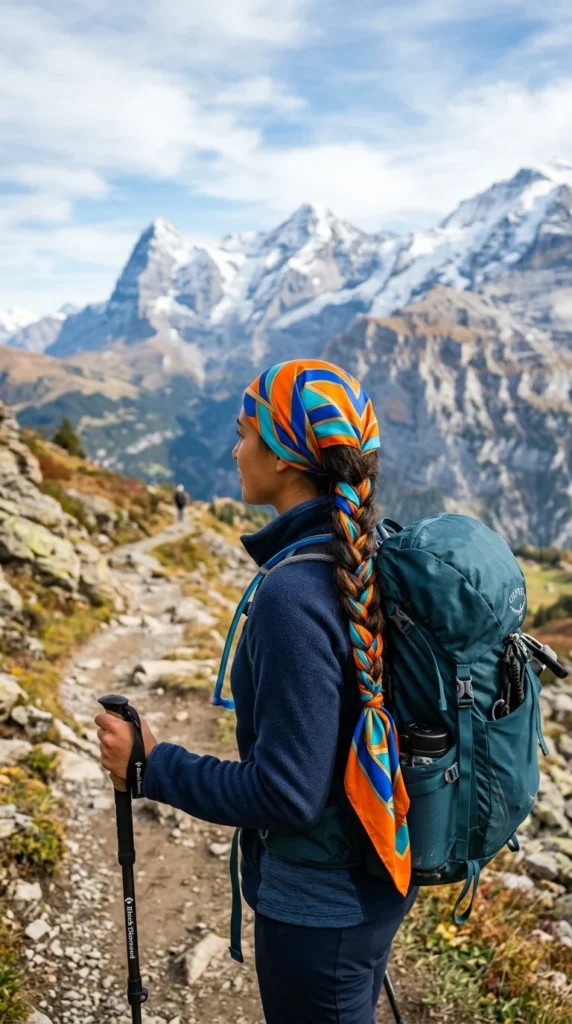
Using a scarf or a “Buff” integrated into your hairstyle is a game-changer for moisture management. You can braid the scarf directly into your hair, which adds a layer of friction that keeps the braid from slipping. The scarf also helps absorb sweat before it can cause your hair to become heavy and salt-laden.
14. Infinity Braid
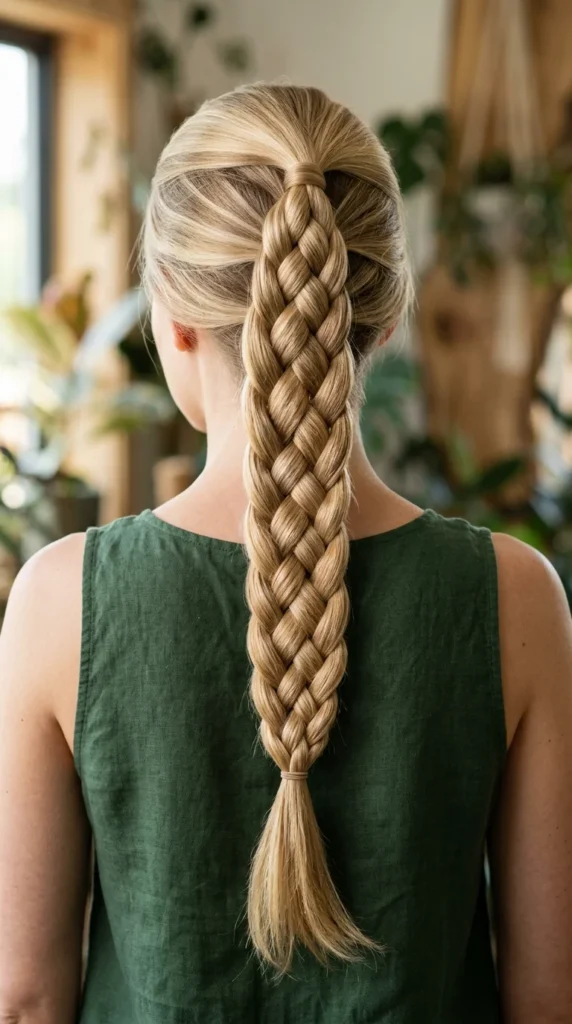
The infinity braid is incredibly flat, making it the best choice for hikers who carry heavy packs with high frames. Traditional braids can sometimes get pinched between the pack’s head-pad and your skull; the infinity braid’s flat profile eliminates this pressure point, keeping you headache-free all day.
15. Knotted Bun
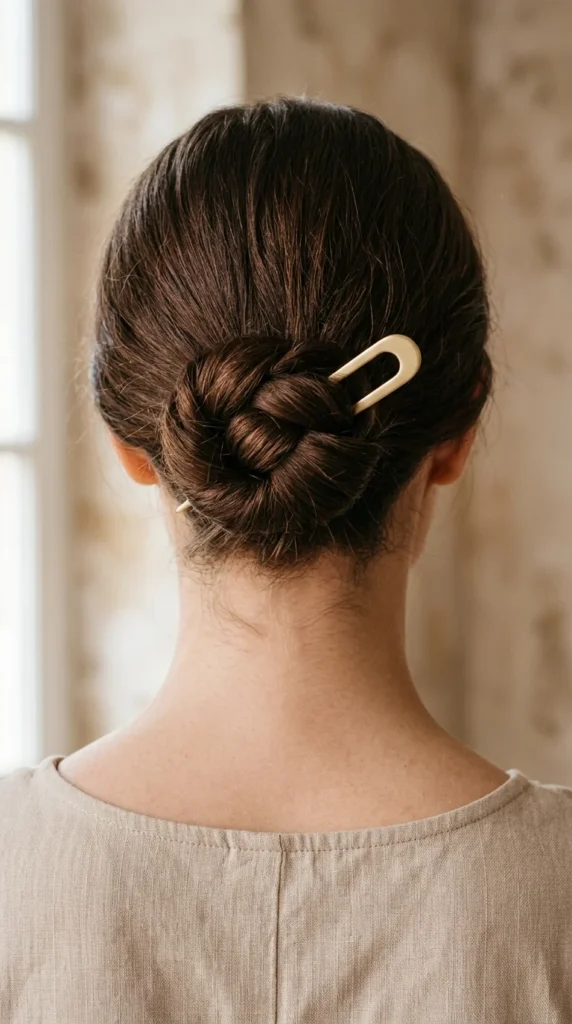
For a minimalist approach, the knotted bun uses the hair’s own friction to stay in place. By gently tying your hair in a low knot and securing the ends with a single pin or a soft scrunchie, you avoid the “clamping” sensation of tight elastics. It’s the ultimate low-tension style for a peaceful day in nature.