
Juneteenth is more than just a date on the calendar; it is a profound celebration of freedom, resilience, and the enduring spirit of the Black community. On June 19, 1865, news of emancipation finally reached the enslaved people in Galveston, Texas, marking a pivotal moment in American history. Today, Juneteenth serves as a time for reflection, community gathering, and a bold expression of cultural identity.
Central to this expression is the artistry of Black hair. Historically, hair has been a canvas for storytelling, a symbol of status, and a quiet act of rebellion against Eurocentric beauty standards. To celebrate Juneteenth in true style is to honor these traditions while embracing modern creativity. Whether you are attending a parade, a family cookout, or a formal gala, your hair is a crowning glory that tells a story of heritage.
Here are 16 cultural hairstyles to help you celebrate Juneteenth with pride and elegance.
1. Fulani Braids
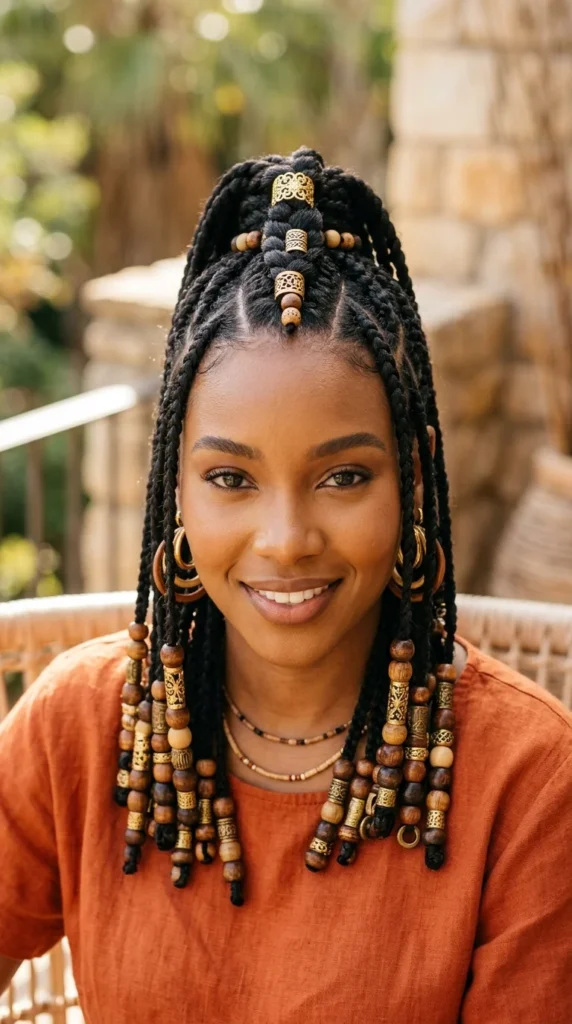
Fulani braids, also known as “braids with beads,” originate from the Fula people of West Africa. This style is characterized by a unique pattern: a central braid down the middle of the head, braids directed toward the face on the sides, and often a few braids wrapped around the back. For Juneteenth, this style pays direct homage to African roots. The addition of beads—whether glass, wood, or metallic—creates a rhythmic sound and a visual feast that celebrates the craftsmanship of ancestral braiders.
2. Bantu Knots
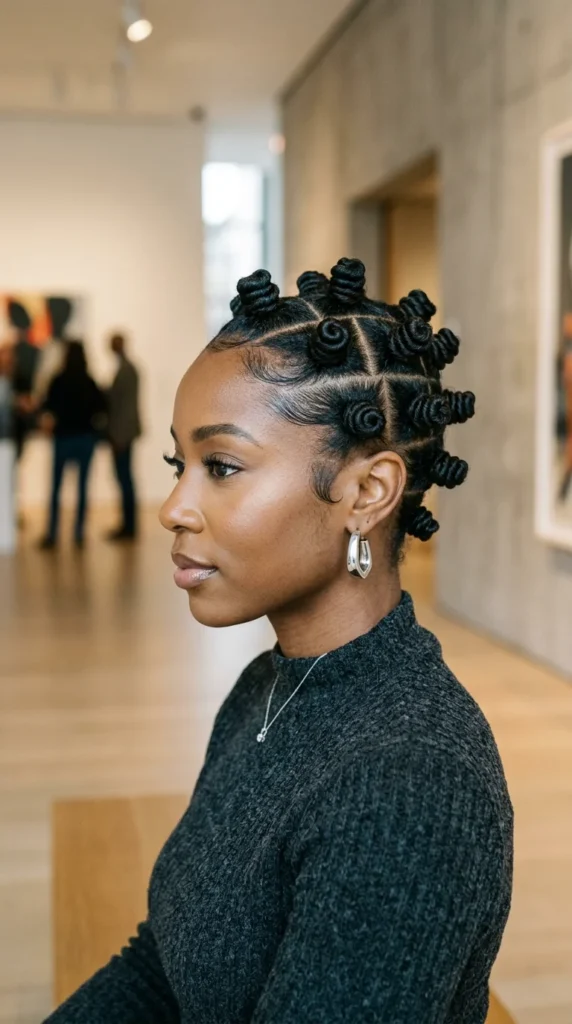
Bantu knots are a powerful symbol of Zulu heritage. These small, coiled buns are created by sectioning the hair and twisting it until it stacks upon itself. They are not only a stunning standalone style but also a functional “heatless” way to create curls. Wearing Bantu knots for Juneteenth is a nod to the “Bantu” peoples of southern and central Africa. The geometry of the parts adds a modern, architectural feel to an ancient tradition, making it a perfect blend of past and present.
3. Afro Puffs
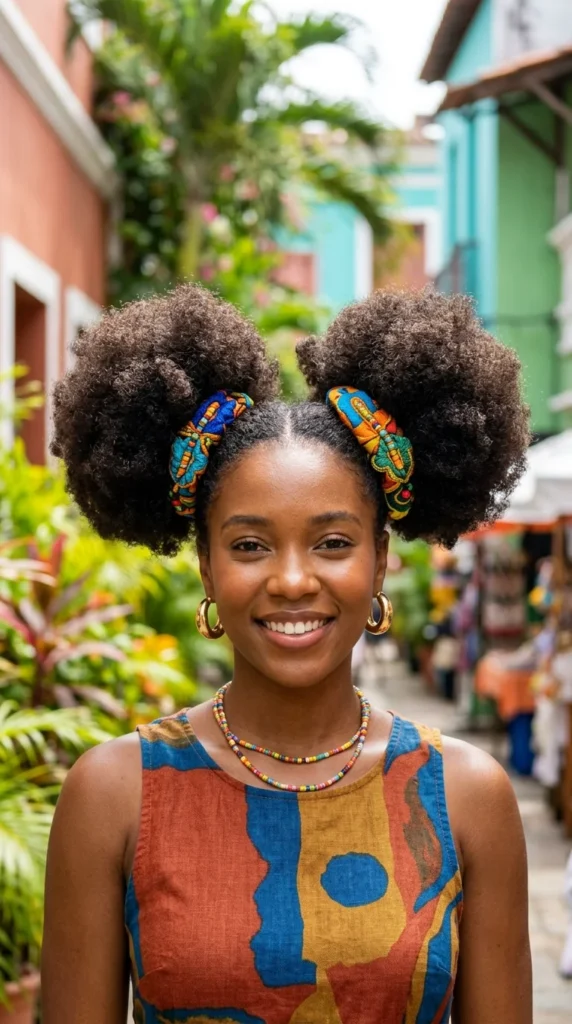
Afro puffs are the epitome of joyful, youthful energy. This style celebrates the natural volume and “shrinkage” of 4C hair by pulling it into one or two large puffs. It is a playful yet regal look that allows the hair’s natural texture to take center stage. For a Juneteenth celebration, accessorizing your puffs with red, black, and green ribbons or cowrie shell pins can add an extra layer of symbolic significance.
4. Goddess Locs
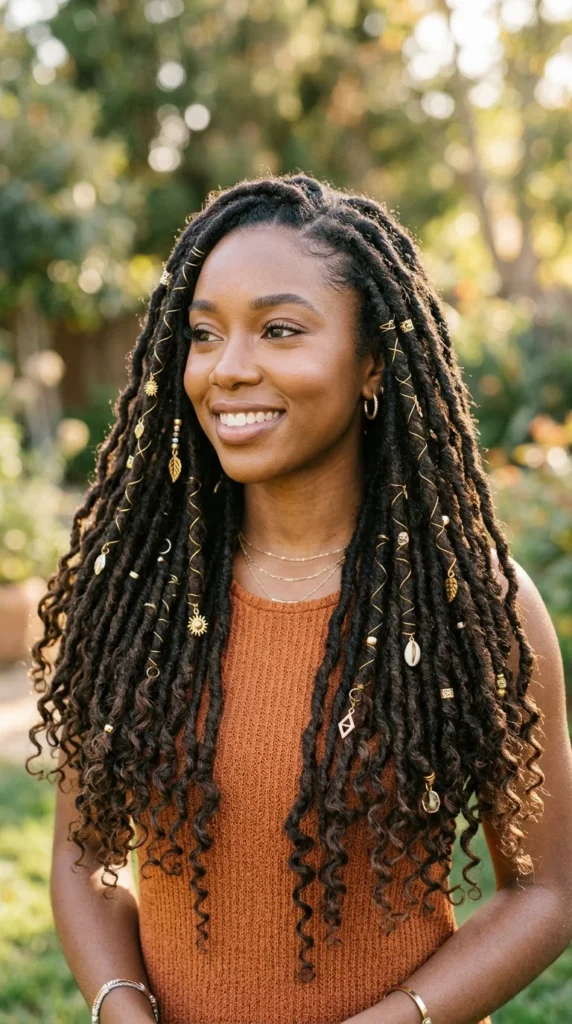
Goddess locs offer a softer, more ethereal take on traditional dreadlocks. By using a combination of natural hair and wavy extensions, this style creates a look that is both rugged and feminine. The “bohemian” vibe of goddess locs is perfect for outdoor Juneteenth festivals. They represent the longevity and strength of the Black experience, while the curly ends symbolize the fluidity and grace of the culture.
5. Beaded Cornrows
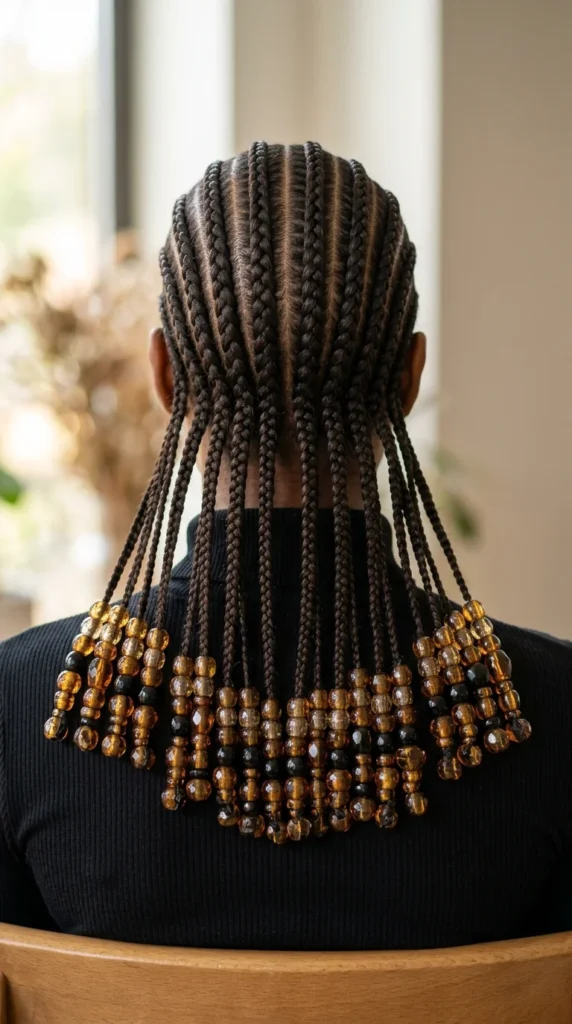
Cornrows are perhaps the most recognizable African hairstyle, with roots dating back thousands of years. During the era of slavery, cornrows were sometimes used to map out escape routes. Today, they are a staple of protective styling. For Juneteenth, adding a heavy dose of beads to the ends of your cornrows creates a “musical” hairstyle. The clinking of the beads as you move is a celebratory sound that echoes the rhythm of the African diaspora.
6. Twist Outs
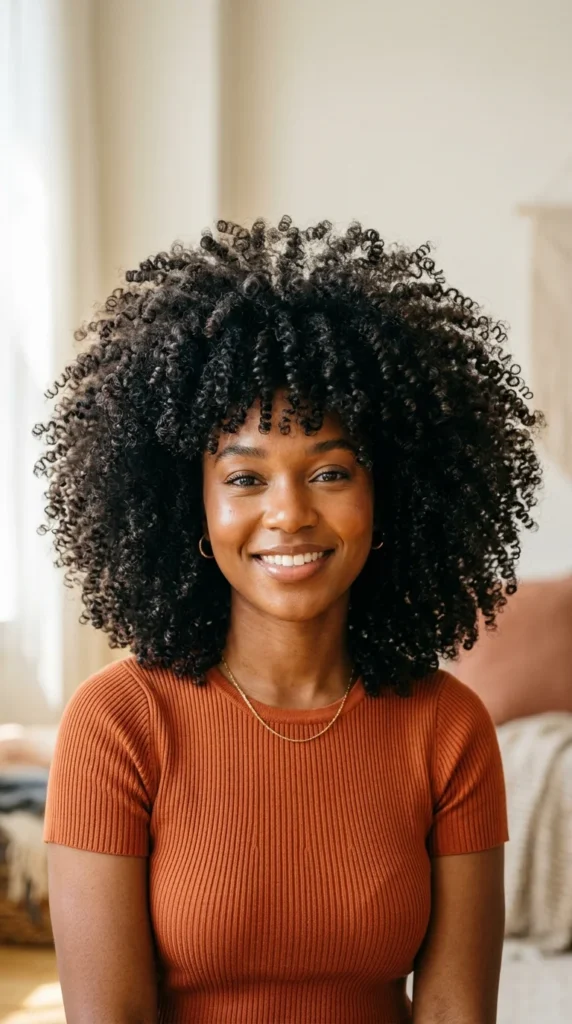
The twist out is the ultimate celebration of natural curl patterns. By twisting damp hair with cream or gel and then unraveling it once dry, you achieve a look that is full of body and definition. It is a style that screams “Black is Beautiful.” For Juneteenth, a voluminous twist out represents the freedom to wear one’s hair exactly as it grows from the scalp—wild, free, and undeniably gorgeous.
7. Finger Waves
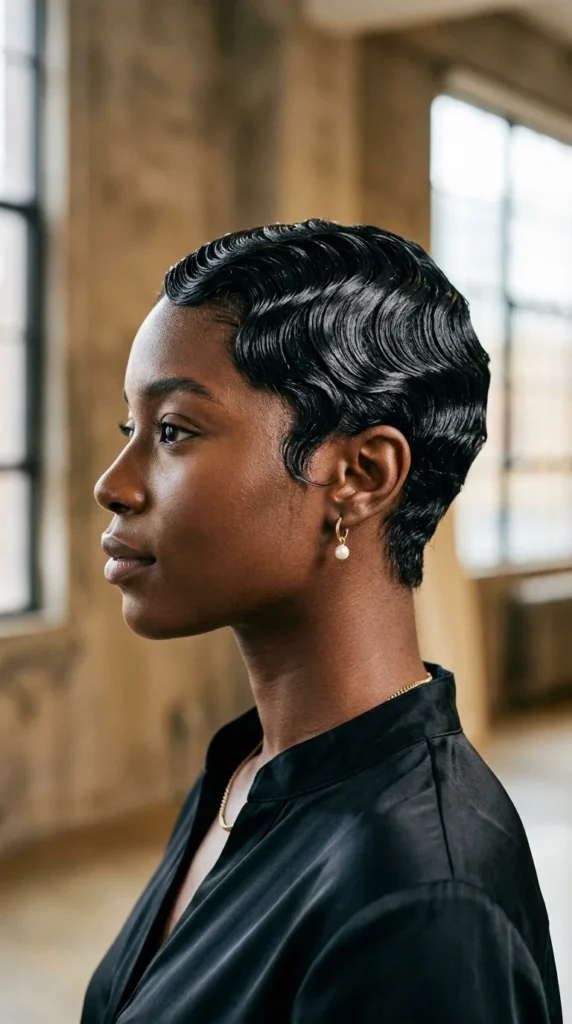
If your Juneteenth celebration is a sophisticated evening affair, finger waves are a go-to. This style rose to prominence during the Harlem Renaissance of the 1920s and 1930s. It represents a period of immense Black creative output and urban sophistication. Finger waves on short natural hair or a tapered cut provide a vintage glamour that connects the modern wearer to the trailblazing icons of the past.
8. Box Braids
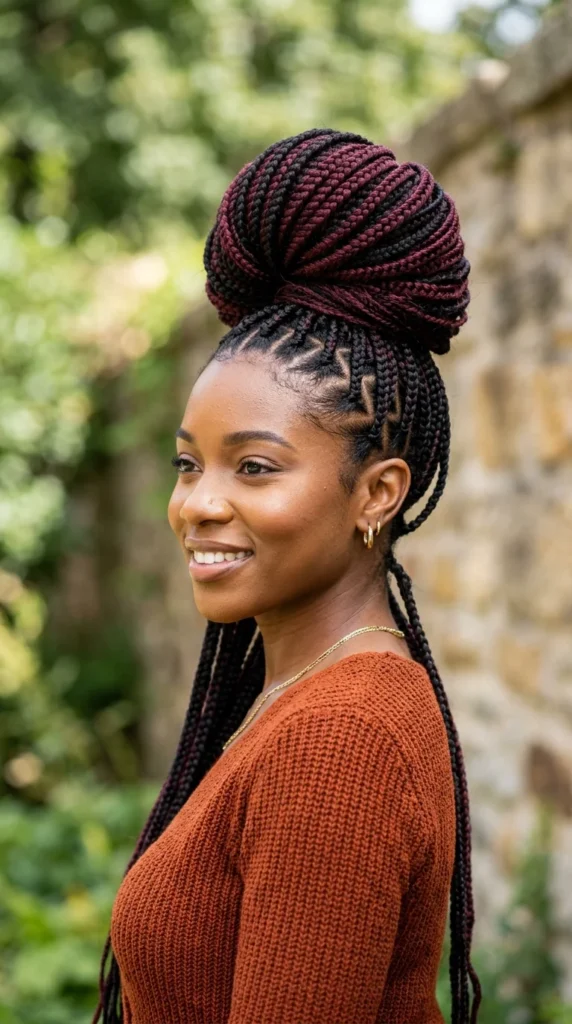
Box braids are the quintessential protective style. Known for their versatility, they can be styled in infinite ways—high ponytails, low buns, or left to hang long and loose. The “box” refers to the square-shaped parting of the hair. For Juneteenth, box braids offer a practical solution for a long day of festivities while maintaining a look of absolute royalty. They are a testament to the hours of communal labor and bonding that often go into the braiding process.
9. Flat Twists
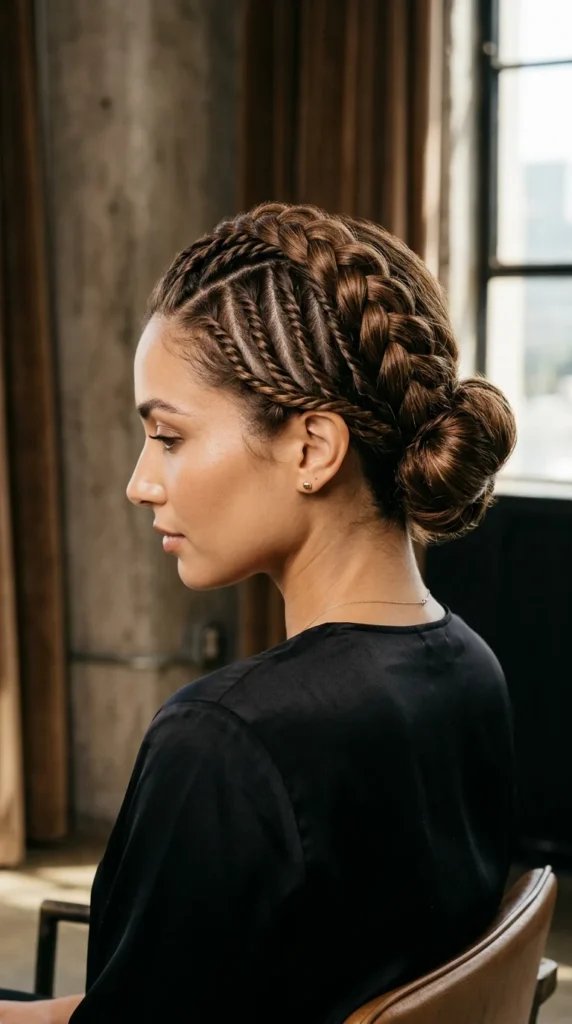
Flat twists are a cousin to cornrows but offer a softer, more rounded appearance. They are excellent for highlighting the facial features and can be manipulated into intricate updos. For a Juneteenth look that is both professional and culturally rooted, a flat-twist crown is an excellent choice. It keeps the hair secure and elegant, allowing the wearer to focus on the significance of the day.
10. Faux Hawks
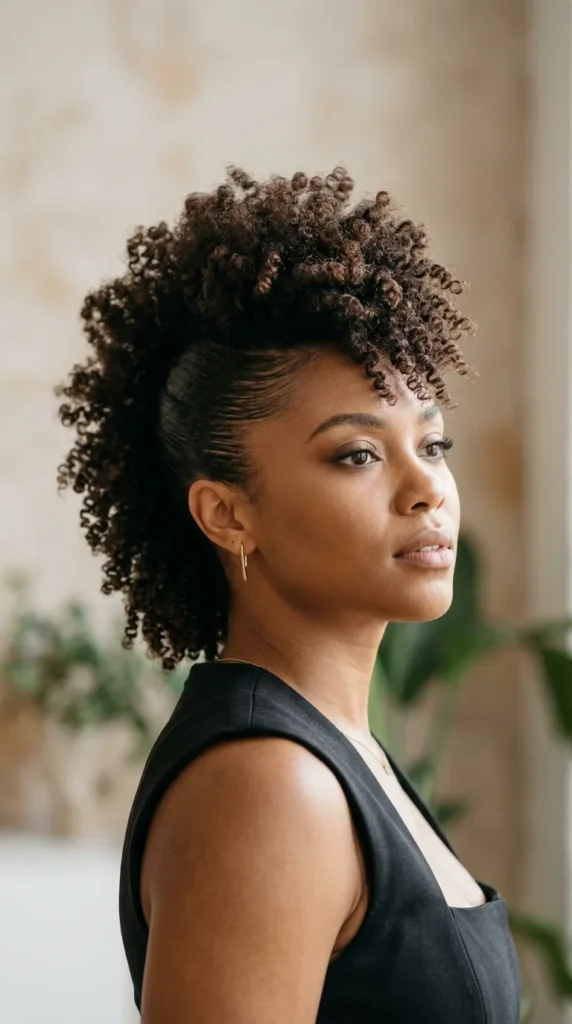
The faux hawk is for the bold. It takes the rebellious energy of the mohawk and translates it through the lens of natural hair texture. By pinning the sides of the hair upward, the center becomes a glorious ridge of coils or kinks. This style is a visual representation of the strength and “edge” of the Black community. It’s a perfect look for a Juneteenth concert or a high-energy community rally.
11. Pineapple Updo
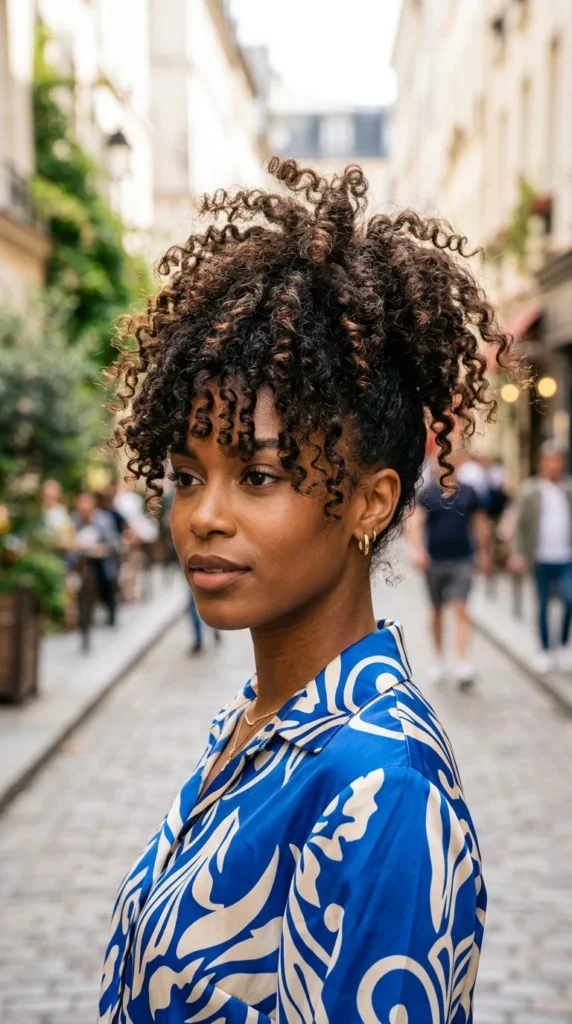
The “pineapple” isn’t just for sleeping! This style has become a trendy daytime look for those with curly and coily textures. By gathering the hair at the very front of the crown, you create a “fringe” of natural curls. It is effortless, chic, and keeps the hair off the neck during hot June celebrations. It’s a relaxed style that reflects the “cookout” vibe of many Juneteenth gatherings.
12. Senegalese Twists
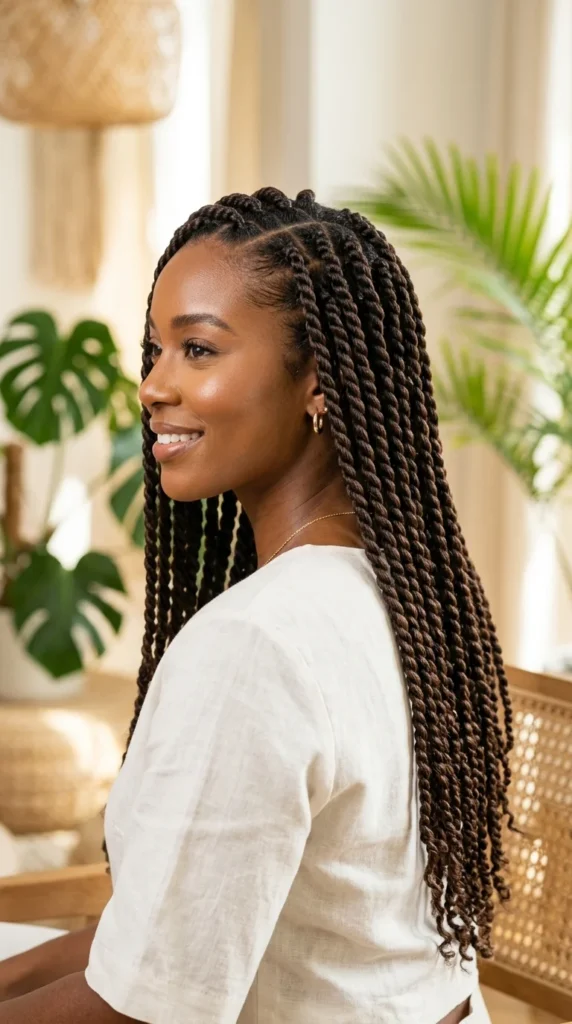
Senegalese twists, often called rope twists, are sleek and refined. Originating from Senegal in West Africa, this style uses two strands of hair wrapped around each other to create a smooth, spiraled effect. They are often thinner than box braids, giving them a more fluid movement. Wearing Senegalese twists for Juneteenth is a beautiful way to acknowledge the specific regional influences that have shaped Black hair culture in the Americas.
13. Halo Braids
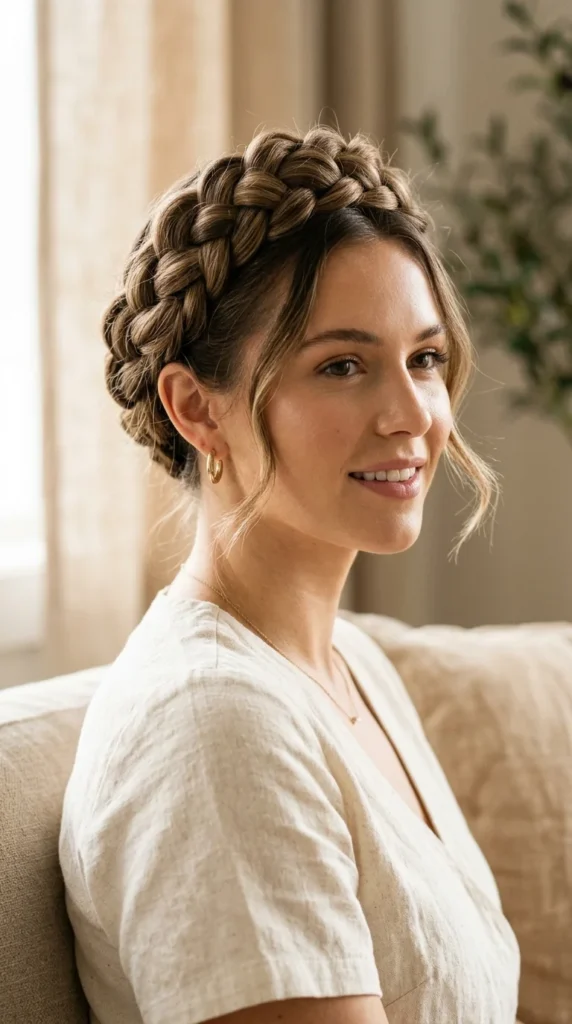
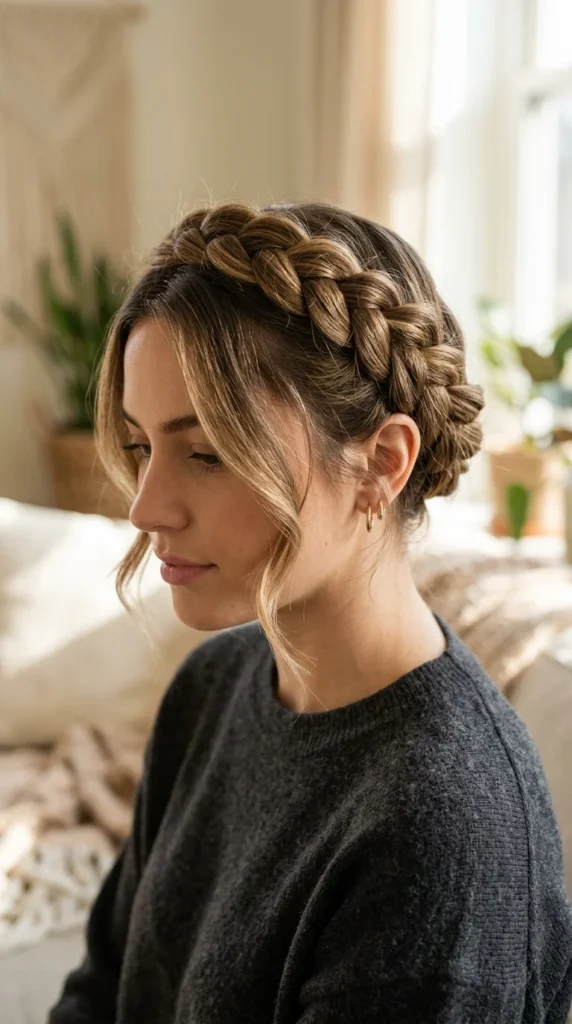
Nothing says “regal” like a halo braid. This style involves braiding the hair around the circumference of the head to create a crown-like effect. It is a symbol of leadership and divinity. For Juneteenth, the halo braid serves as a reminder that the ancestors who fought for freedom were kings and queens. It is a sophisticated, “goddess-like” style that works perfectly for formal commemorative ceremonies.
14. TWA (Teeny Weeny Afro)
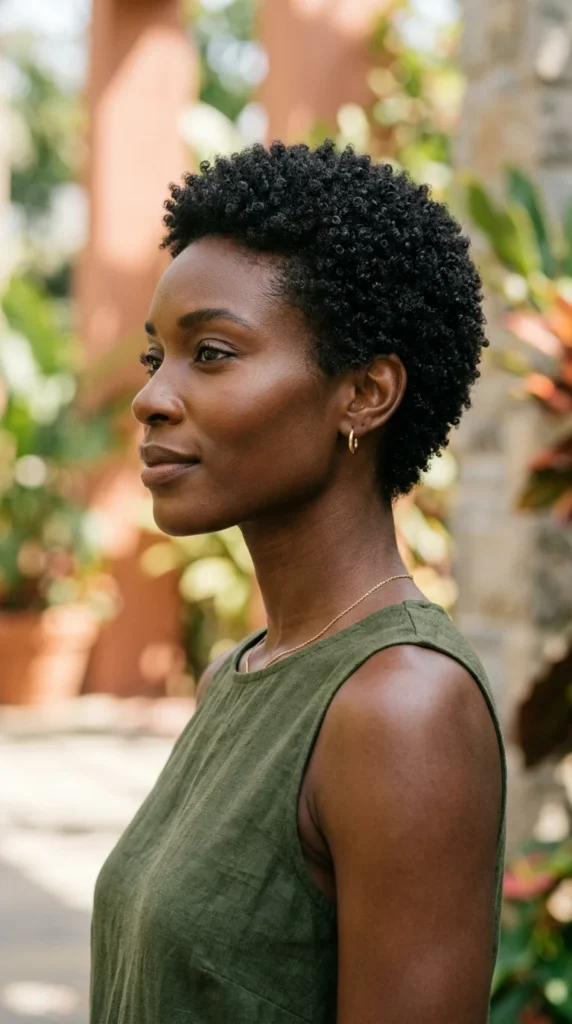
Sometimes, the most powerful statement is the simplest one. The Teeny Weeny Afro, or TWA, is often the result of the “Big Chop”—the act of cutting off chemically processed hair to embrace one’s natural texture. For Juneteenth, the TWA is a profound symbol of rebirth and self-acceptance. It is a “stripped back” beauty that celebrates the raw, unfiltered essence of Black hair.
15. Ghana Weaving
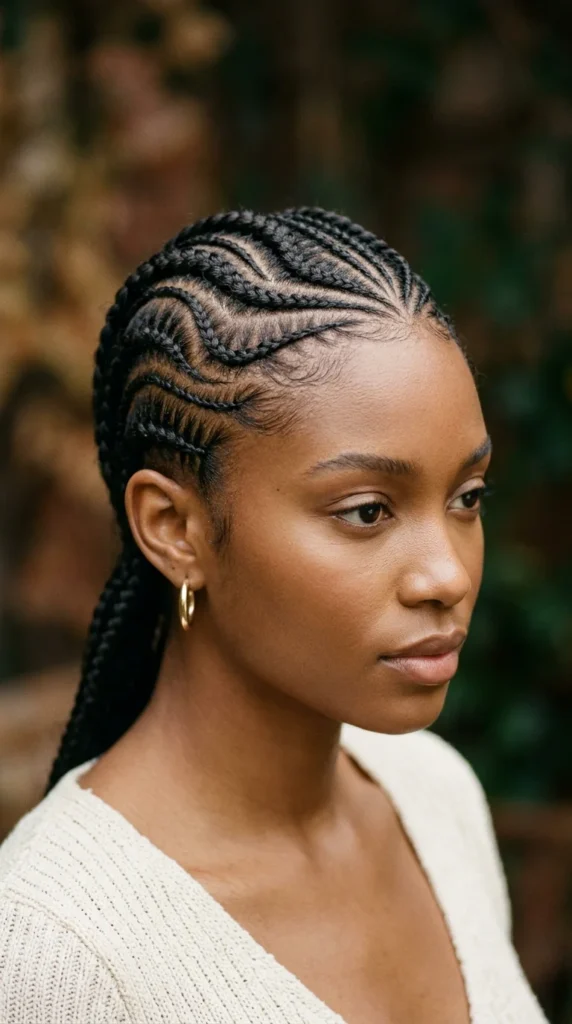
Ghana weaving is a technique of cornrowing that incorporates extensions in a way that creates a seamless, tapered look. The braids often have a 3D effect, standing out slightly from the scalp. The patterns can be incredibly complex, featuring swirls, zig-zags, and varying thicknesses. This style is a masterclass in African hair geometry and is a stunning way to display technical skill and cultural pride during the holiday.
16. Head Wraps with Natural Hair
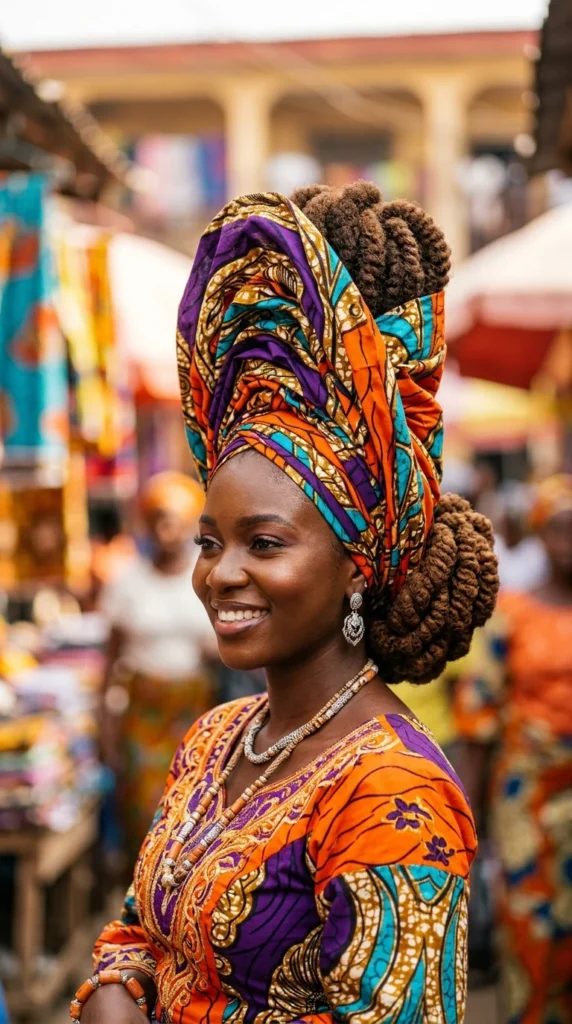
While not a hairstyle in the traditional sense, the art of the head wrap is inseparable from Black hair history. Historically used to denote status or to protect the hair during labor, the head wrap has evolved into a high-fashion accessory. For Juneteenth, pairing a vibrant, architectural wrap with your natural hair—whether it’s peeking out the front or bunched in the back—is a powerful way to claim your space. The colors and patterns of the fabric can be chosen to match the Juneteenth flag or personal family colors, making it a deeply personalized statement of freedom.