
The mid-2000s were more than just a decade; they were a cultural phenomenon defined by heavy eyeliner, studded belts, and, most importantly, the hair. If you grew up listening to My Chemical Romance, Fall Out Boy, or Paramore, your hair wasn’t just a style—it was a manifesto. It was a way to signal your taste in music, your emotional depth, and your refusal to conform to the “preppy” norms of the era.
Today, the “Rawring 20s” are back in full swing. Whether you’re looking to relive your MySpace glory days or you’re a newcomer to the scene looking for that perfect pop-punk aesthetic, these 14 iconic emo hairstyles offer the ultimate throwback. From the gravity-defying teased crowns to the sharp, razor-cut layers, let’s dive into the styles that defined a generation.
1. The Swoop
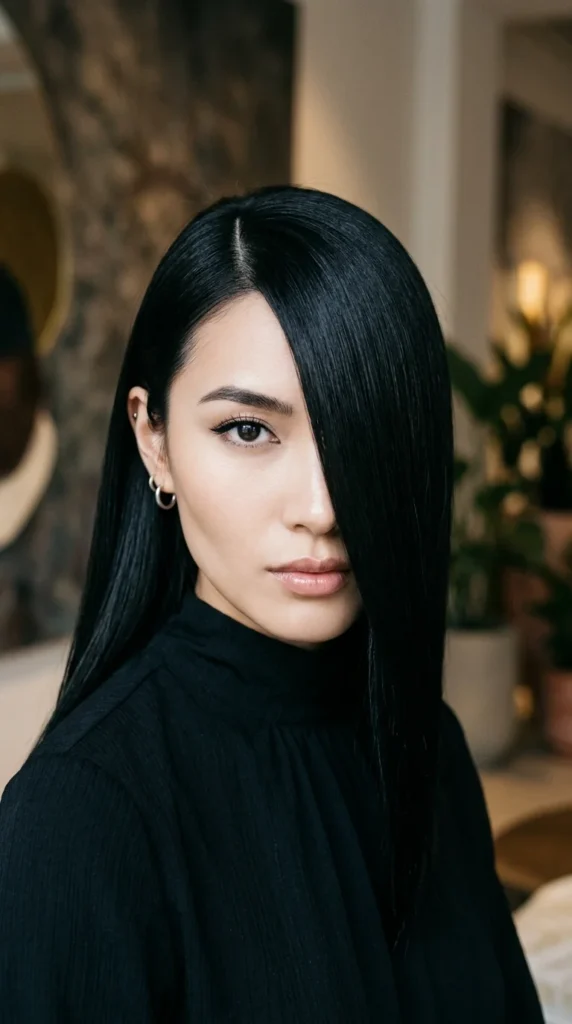
The “Swoop” is the undisputed king of emo hairstyles. Also known as the “side-swept fringe,” this look required a commitment to limited peripheral vision. The key to a perfect swoop is the deep side part, usually starting as far over as the ear. This style was designed to frame the face in a way that felt mysterious and guarded. To achieve this today, you’ll need a high-quality flat iron and a light-hold hairspray to keep that fringe from moving, ensuring it stays perfectly positioned over one eye at all times.
2. Coontails
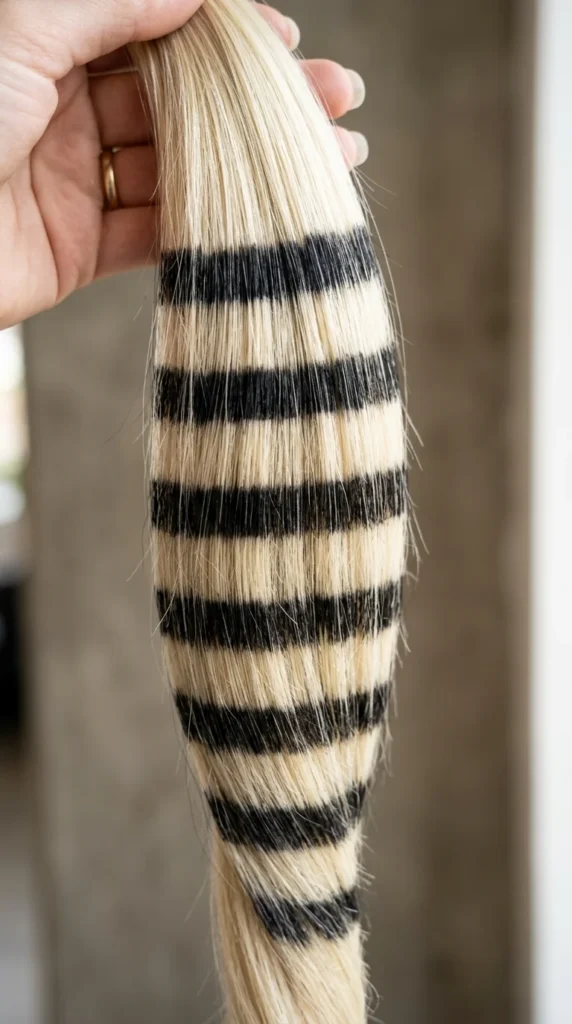
Nothing screams “Scene Queen” or “Emo King” quite like coontails. These horizontal stripes were the ultimate DIY badge of honor. Originally inspired by the patterns of a raccoon’s tail, they were often achieved using masking tape and hair dye (or even Sharpies, for the truly dedicated). Coontails add a graphic, alternative edge to any base color. While they were traditionally black and blonde, modern iterations often use neon colors like lime green or hot pink to create a more vibrant, updated look.
3. Scene Mullet
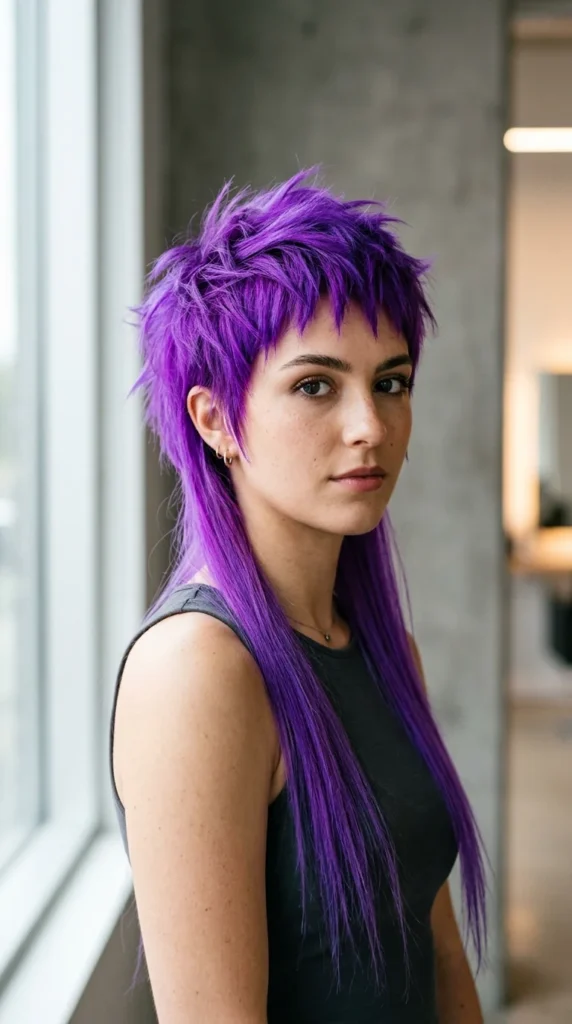
The scene mullet was the more aggressive, high-fashion cousin of the standard mullet. It featured extreme contrast: the top of the head was cut into short, choppy, “spiky” layers that provided maximum volume, while the bottom remained long and wispy. This style was all about the silhouette—it created a “helmet” of volume on top that tapered down into “rat tails” or long extensions. It’s a bold look that requires regular maintenance but offers an unmistakable silhouette that identifies you immediately as a fan of the subculture.
4. Neon Highlights
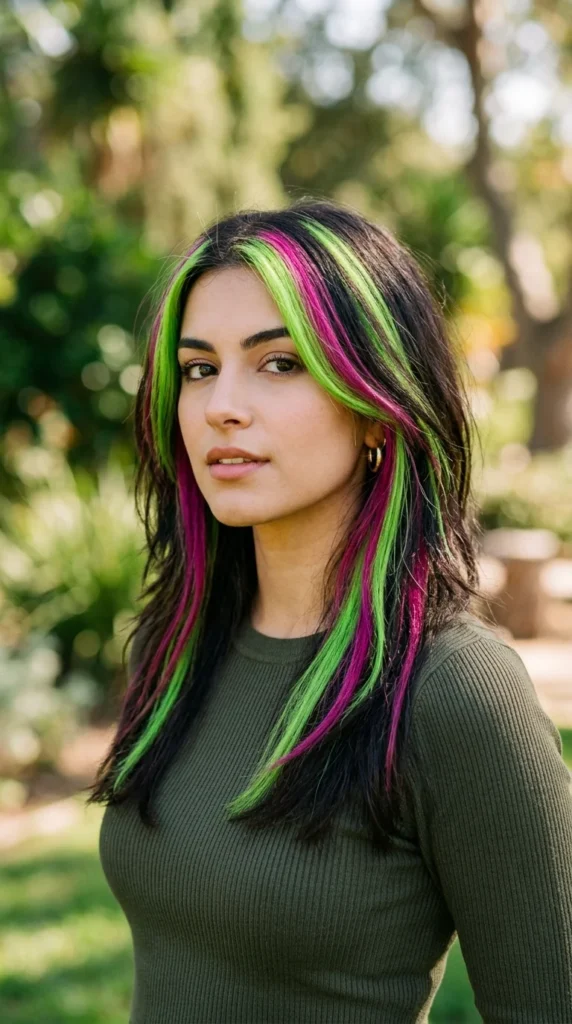
In the emo world, “natural” was rarely the goal. Neon highlights were the perfect way to break up the monotony of jet-black or bleach-blonde hair. Unlike modern balayage, which focuses on seamless blending, 2000s-era neon highlights were meant to be “chunky.” These bold pops of color—usually in shades of electric blue, hot pink, or toxic green—were often placed right at the front to frame the face or hidden beneath the top layer to peek through as the hair moved.
5. The Shag
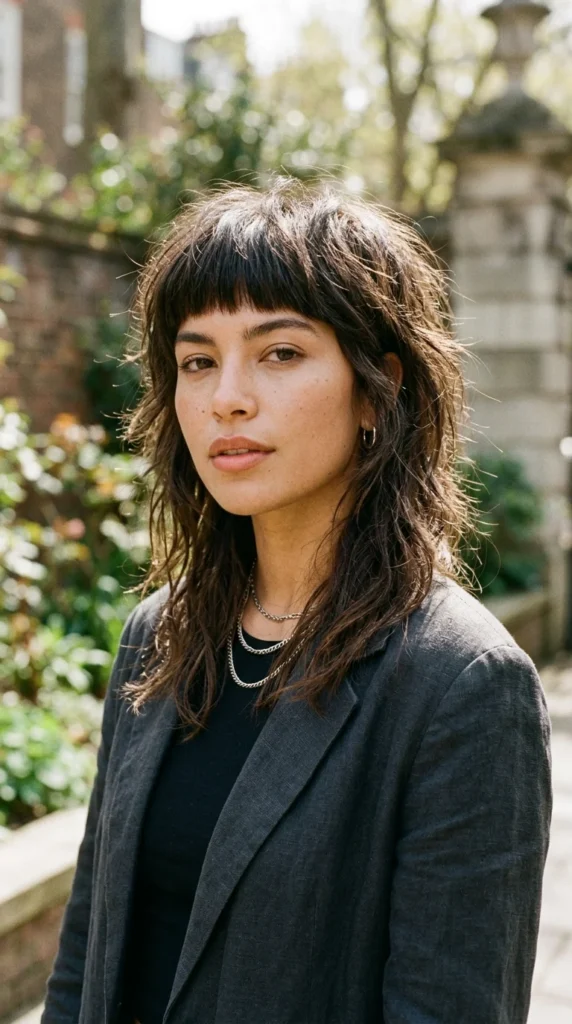
The Shag was the go-to for those who preferred a “pop-punk” look over a “hardcore” one. Popularized by icons like Pete Wentz, this style focused on texture and messiness. It’s a razor-cut style that utilizes numerous layers to create movement. The Shag is incredibly versatile; it works for all genders and can be dressed up with a bit of wax for a “bedhead” look or straightened for a sharper appearance. It’s the perfect low-maintenance entry point into the emo aesthetic.
6. Skunk Stripes
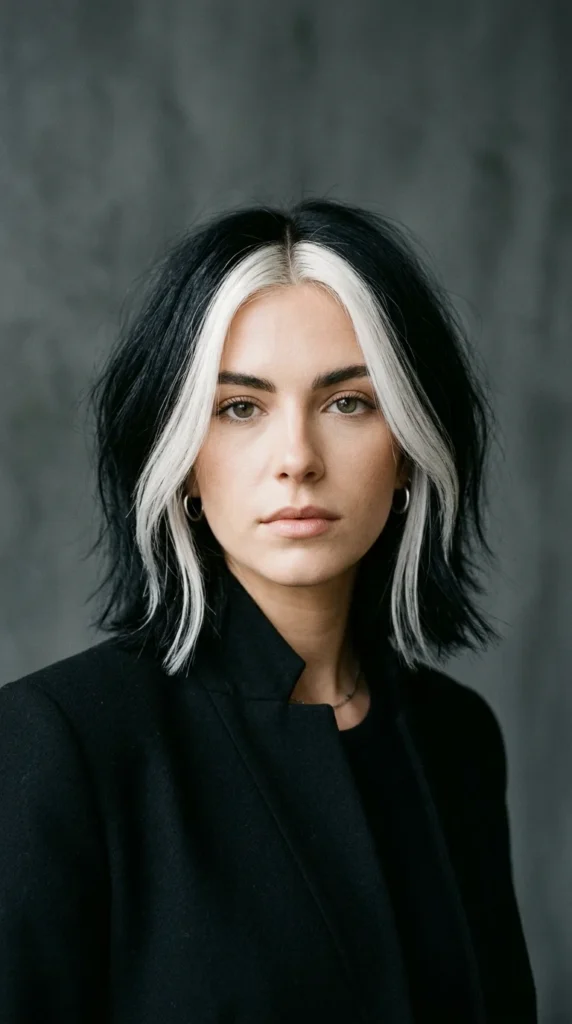
Skunk stripes are the ultimate “alt” statement. This look involves dyeing a large, concentrated section of hair—usually the bangs or the front face-framing layers—a color that completely contrasts with the rest of the head. The most classic version is white or platinum blonde against jet black. This style was a favorite because it was easy to do at home and instantly changed the wearer’s look without requiring a full-head dye job. It’s a stark, graphic style that pairs perfectly with heavy eyeliner and a brooding expression.
7. Spiky Backs
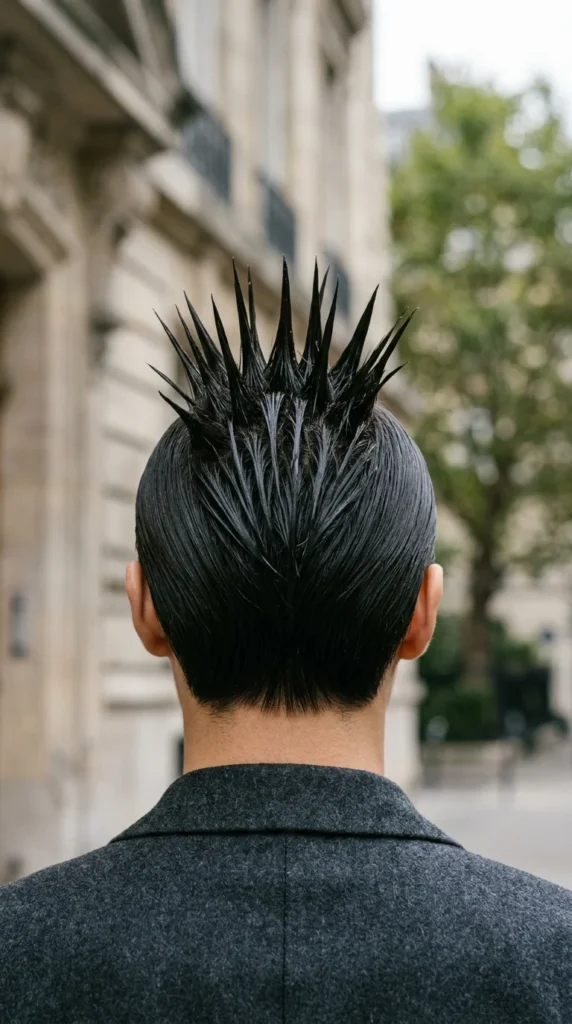
If you were into the more “screamo” side of the scene, you likely experimented with spiky backs. This style involved keeping the front of the hair long and flat (the classic swoop) while the back was cut short and “teased” or gelled into sharp, gravity-defying points. It created a dynamic contrast between the sleek front and the chaotic back. To get this look right, you need a “frozen” hold hairspray or a very strong styling glue that can withstand a night in the mosh pit.
8. Teased Volume
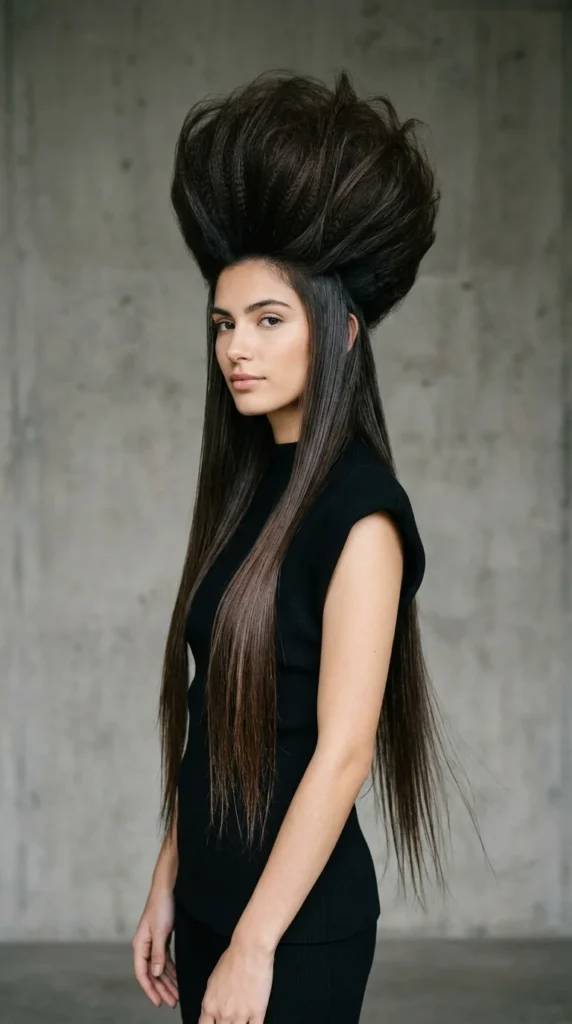
For scene kids, the bigger the hair, the closer to God (or at least, the closer to the front row of a Warped Tour set). Teasing, or backcombing, was a daily ritual. The goal was to create a massive, rounded shape at the top of the head that narrowed down toward the shoulders. This look required a fine-toothed comb and half a can of hairspray per day. It’s a high-drama look that defines the “Scene Queen” era and remains one of the most recognizable silhouettes in alternative fashion history.
9. Choppy Layers
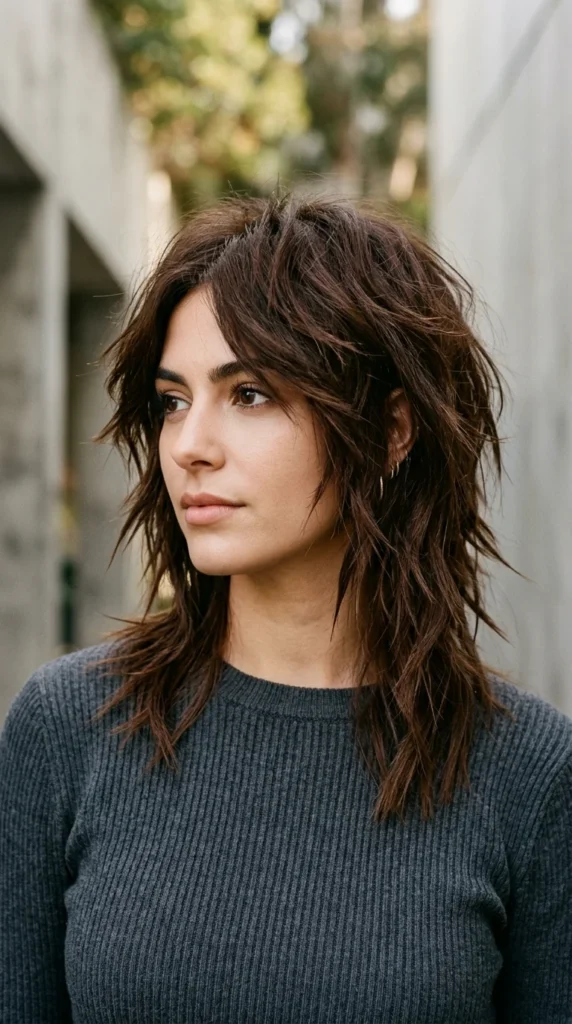
The secret to almost every emo hairstyle is the razor. Stylists in the 2000s would often ditch the scissors in favor of a straight razor to create “choppy” layers. This technique thins out the ends of the hair while creating a jagged, uneven texture that looks effortlessly cool. These layers are essential for creating the “wispy” look that is so central to the aesthetic. Choppy layers work best on straightened hair, as the lack of curl allows the sharp edges of the cut to really stand out.
10. Bow Accessories
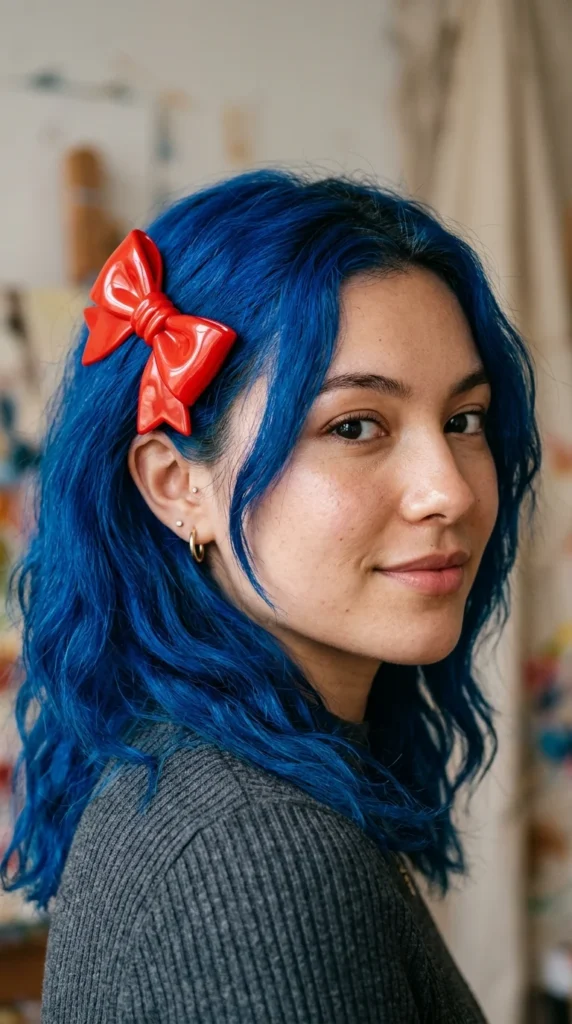
While the hair itself was often dark or edgy, the accessories were frequently borrowed from “kawaii” or “cutesy” cultures to create a “scenecore” contrast. Large plastic hair bows, often in leopard print, polka dots, or neon colors, were the accessory of choice. They were usually clipped right onto the side of a massive, teased hairstyle. This juxtaposition of “scary” dark hair and “cute” accessories was a hallmark of the 2000s internet aesthetic, especially on platforms like MySpace.
11. Side Ponytails
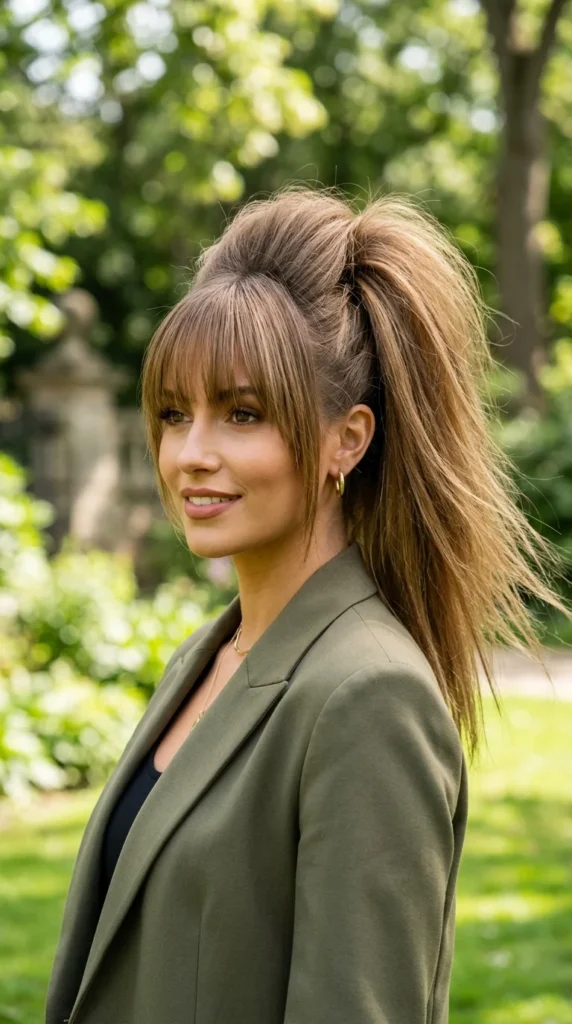
The emo side ponytail wasn’t your average gym hairstyle. It was high, messy, and intentionally lopsided. Usually paired with heavy bangs, the side ponytail was a way to keep long hair out of the face while still maintaining the volume and “edge” of the scene look. It was often secured with “ouchless” elastics and decorated with colorful clips. This look is perfect for those days when you want the emo aesthetic but don’t want to deal with the maintenance of wearing your hair down.
12. Two-Tone Split
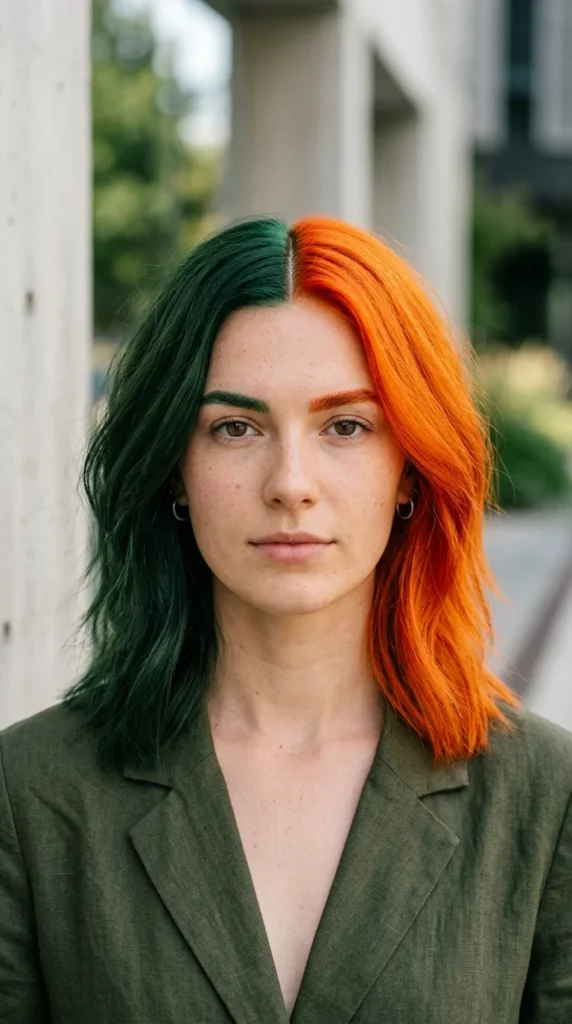
Split-dye hair is a timeless alternative staple, but it was heavily embraced by the pop-punk community. The most common variation was a vertical split down the middle, with one side dyed a natural color (like black) and the other a vivid fashion color. However, many opted for two different neon colors for maximum impact. This style is surprisingly versatile—when you part your hair differently or tie it up, the colors blend and interact in unique ways, giving you multiple looks in one.
13. Micro Bangs
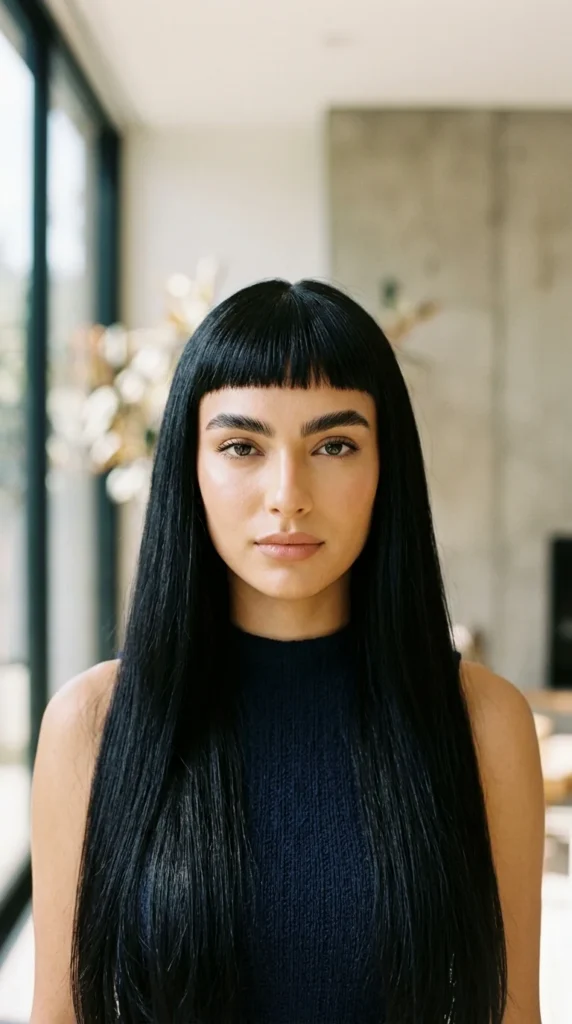
While the “swoop” was the standard, many in the emo scene opted for the “Micro Bang” or “Baby Bang” look. This was often seen in the more “gothic” or “electro-pop” corners of the subculture. These bangs are cut straight across, very high on the forehead. They provide a sharp, clean line that contrasts beautifully with messy, long layers. Micro bangs are a power move—they require frequent trims and a lot of confidence, but they offer a high-fashion edge to the classic emo look.
14. Feather Extensions
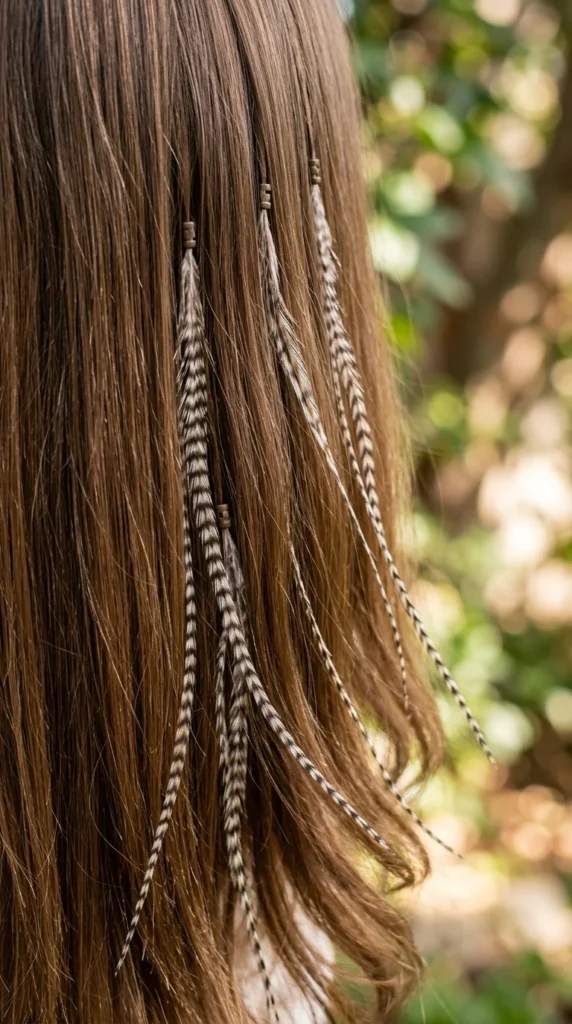
Toward the end of the original emo era and into the early 2010s, feather extensions became the “it” accessory. These weren’t the fluffy feathers you find at a craft store, but thin, long, patterned feathers (often called “grizzly feathers”) that were crimped into the hair using silicone beads. They added a bohemian, “free spirit” vibe to the otherwise structured and dark emo aesthetic. They were favored by pop-punk royalty and remain a nostalgic favorite for those who loved the “indie-emo” crossover period.