
The 1960s was a decade of radical transformation, and nowhere was this more evident than in the world of hair. It was an era that transitioned from the stiff, highly lacquered “frozen” styles of the 50s to the free-flowing, rebellious, and sleek looks that defined the Mod and Hippie movements. Today, those iconic silhouettes are making a massive comeback, but with a contemporary twist that emphasizes health, shine, and movement over gallons of hairspray.
Modernizing a 60s look involves taking the foundational geometry—the heavy bangs, the sharp bobs, and the crown volume—and softening the execution. Whether you are aiming for the “London Look” or the effortless chic of a French starlet, these thirteen styles offer a perfect bridge between vintage glamour and modern practicality.
1. Mod Bob
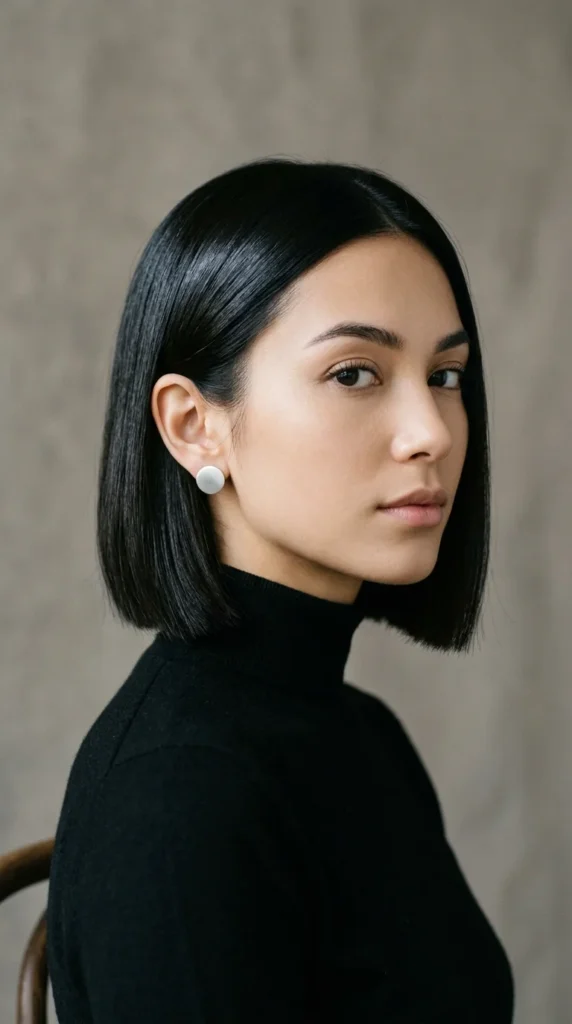
The Mod Bob was the cornerstone of the 1960s British youth explosion. Originally popularized by stylists like Vidal Sassoon, this cut relied on geometric precision. To wear this today, skip the heavy teasing and focus on hair health. A modern Mod Bob should look “swingy.” Use a flat iron to achieve that pin-straight texture, but finish with a lightweight shine spray rather than a firm-hold lacquer. This allows the hair to move naturally when you walk, giving it a fresh, editorial feel.
2. The Flip
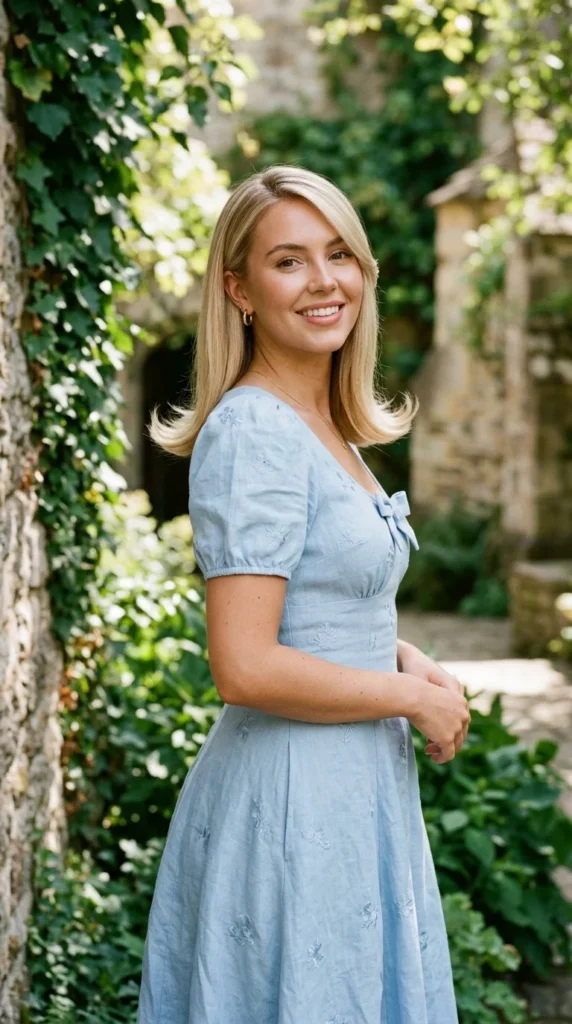
Think of the “Outward Flip” as the quintessential 60s sitcom hair, famously worn by Mary Tyler Moore. In its original form, it was often achieved with rollers and sat stiffly on the shoulders. The 2024 version is much softer. Use a large-barrel curling iron or a round brush just at the very ends of your hair to create a playful flick. It’s a fantastic way to add personality to a medium-length cut without committing to a full vintage updo.
3. Beehive Lite
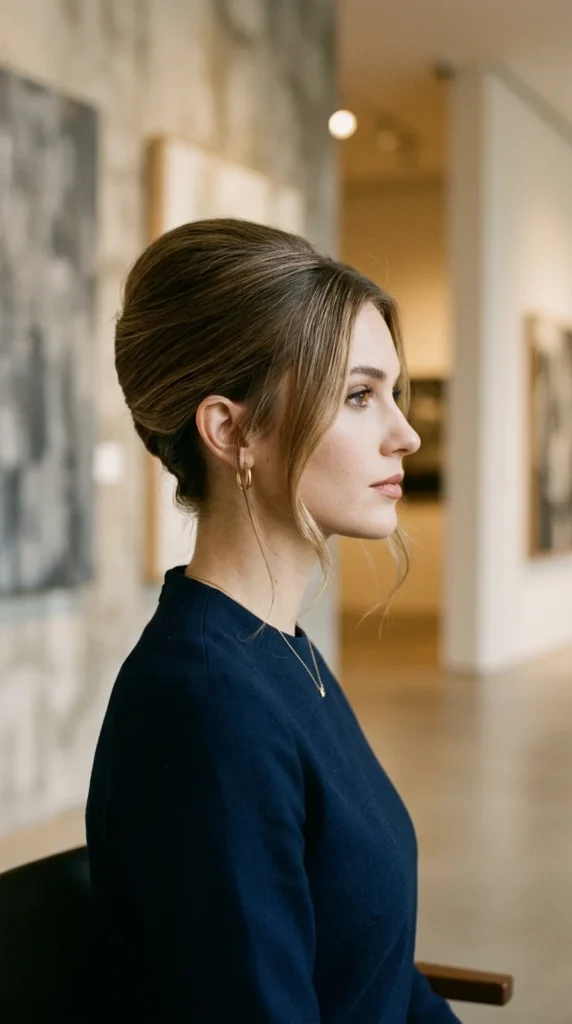
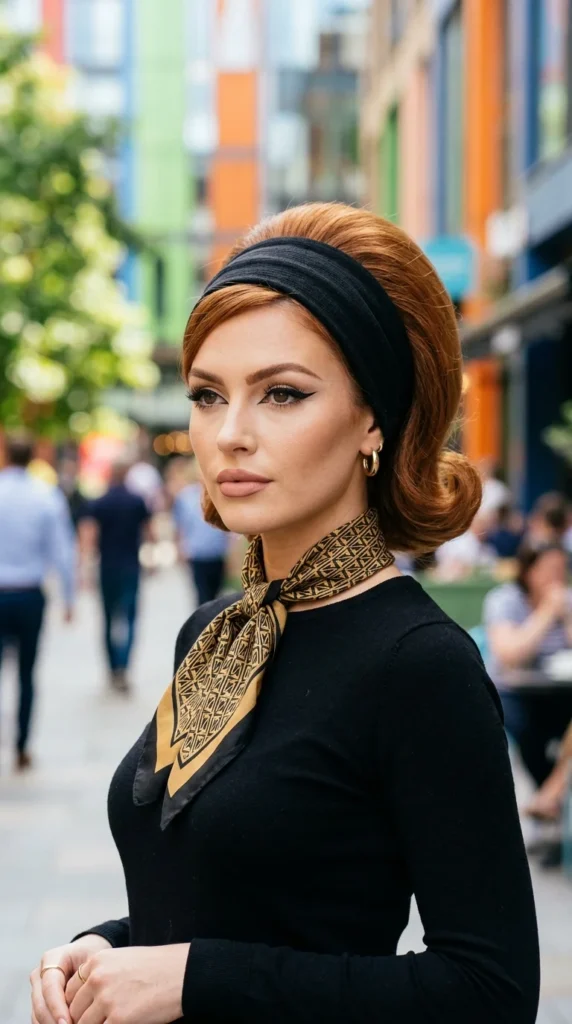
The traditional beehive was a feat of engineering, involving backcombing and hours of work. The “Beehive Lite” focuses solely on crown volume. To modernize this, use a volumizing powder at the roots and a gentle back-brushing technique. The goal is a “bump” at the back of the head while the rest of the hair remains sleek and straight. This creates a sophisticated silhouette that works perfectly for the office or a cocktail party.
4. Cher Hair
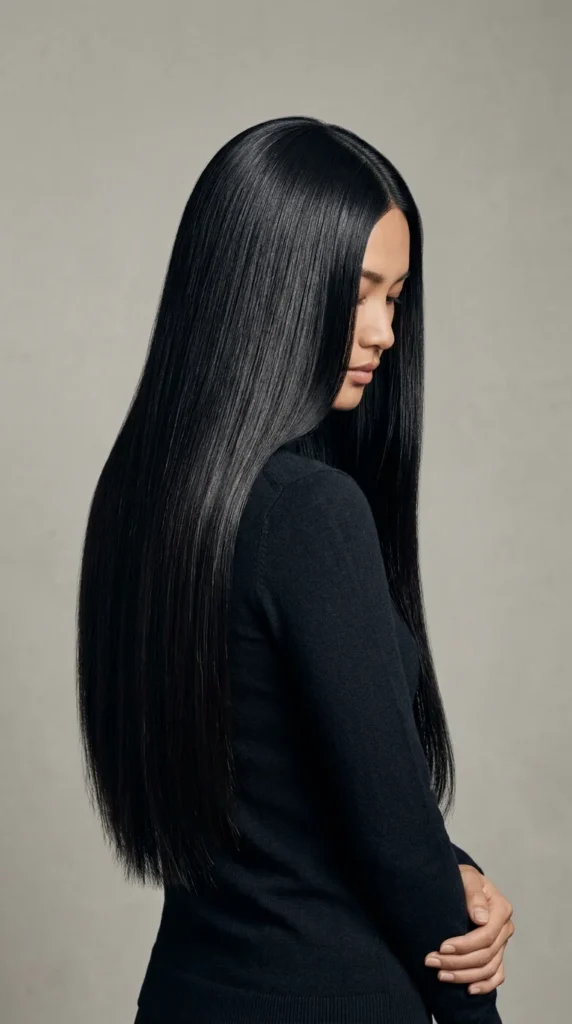
Long, straight hair became a symbol of the late 60s counterculture, with Cher being the ultimate poster girl for the look. This style is timeless but requires high maintenance to look modern. To pull off “Cher Hair” today, the focus must be on “glass hair”—a finish so shiny it looks reflective. Use a heat protectant and a high-quality flat iron, and consider adding a few drops of hair oil to the ends to prevent frizz and flyaways.
5. Center Part
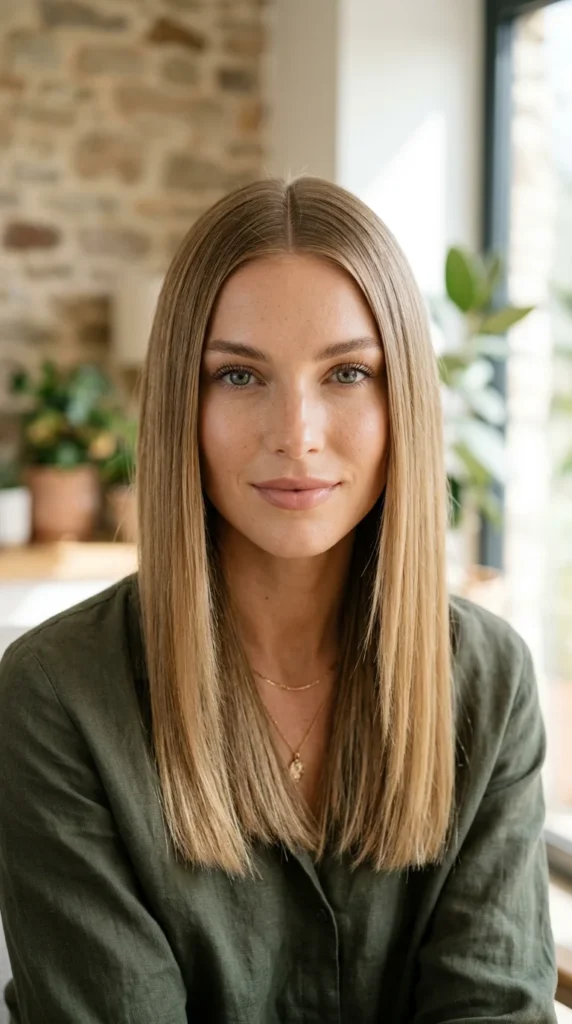
The center part was the 60s way of saying “I’m effortless.” While the early 60s favored side parts and deep swoops, the late 60s embraced symmetry. Today, the center part is the ultimate “cool girl” staple. It works best on hair that is cut to a blunt length. To keep it from looking flat, blow-dry your hair upward at the roots before parting it to ensure there is still a bit of natural lift.
6. Headband Sleek
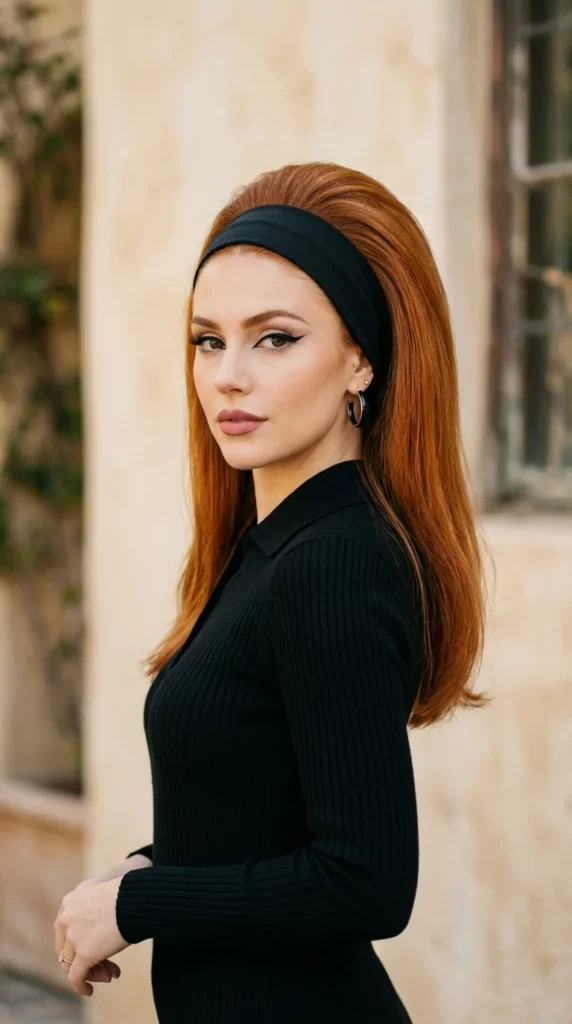
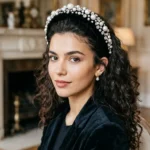
Headbands were the accessory of choice for the “Youthquake” generation. Whether it was a plastic hoop or a fabric wrap, the goal was to push the hair back and emphasize the face. For a modern take, choose a padded velvet or silk headband. This hides any “day two” hair issues and adds an instant vintage flair to a simple straight blowout. It’s the perfect solution for those who want a 60s look in under two minutes.
7. Bardot Fringe
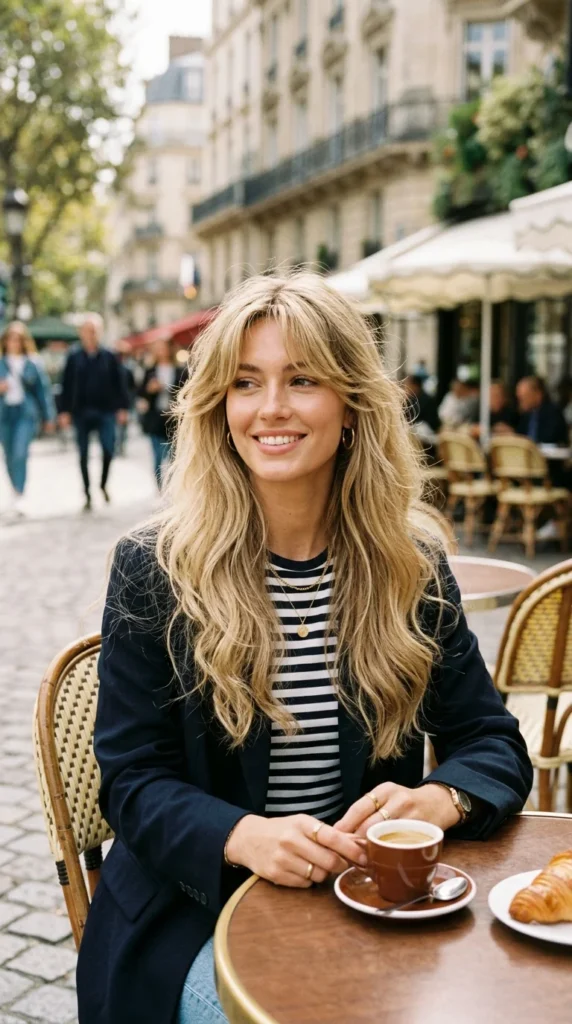
Brigitte Bardot’s fringe is perhaps the most requested 60s-inspired cut in modern salons. It’s a “curtain bang” that is shorter in the center and tapers into longer layers that frame the cheekbones. Unlike the blunt bangs of the era, the Bardot fringe is wispy and lived-in. Pair it with straight hair that has a bit of “grit” or texture for a look that feels more Parisian chic and less like a costume.
8. Sleek Pixie
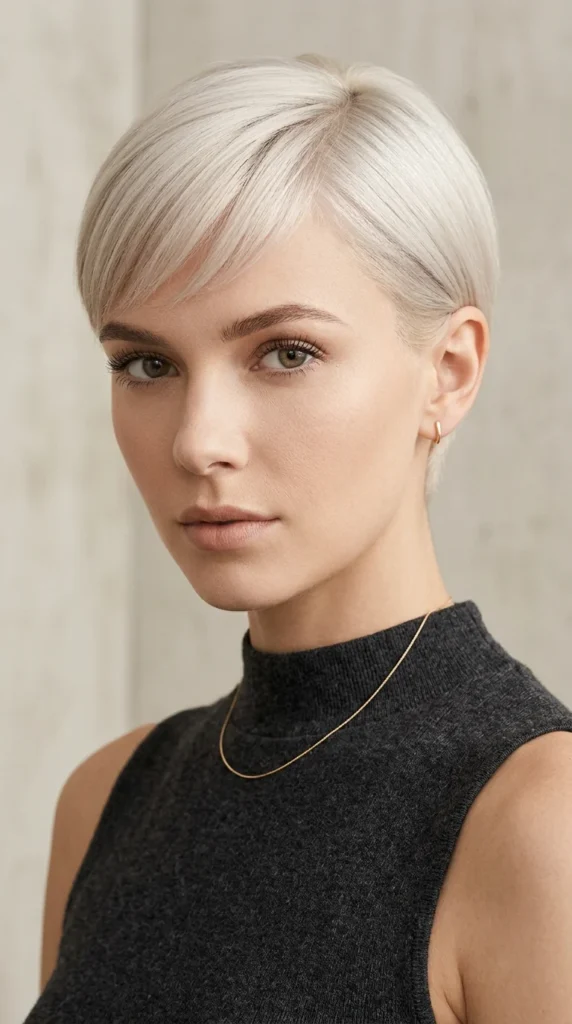
The 60s gave us the pixie cut, made legendary by Twiggy and Mia Farrow. While the original was often styled with a “wet” look using gel, the modern version is all about soft, straight texture. Use a tiny amount of pomade to define the layers and sweep the bangs to the side. It’s a bold, low-maintenance style that highlights facial structure and brings a sense of 60s gamine charm to a contemporary wardrobe.
9. Inward Curl
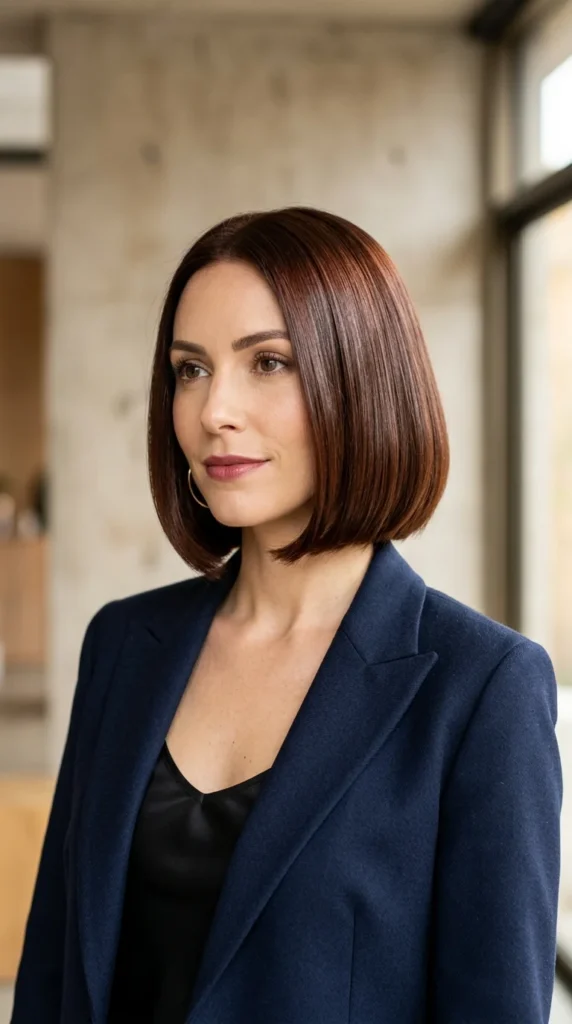
While the “Flip” went out, the “Pageboy” went in. The inward curl creates a soft, rounded shape that frames the jawline. It’s a very polished look that feels incredibly “Quiet Luxury” in the modern day. To achieve this, use a large round brush while blow-drying, curling the ends toward your chin. This style is particularly effective for those with fine hair, as the inward curve creates the illusion of more density at the bottom.
10. Heavy Bangs
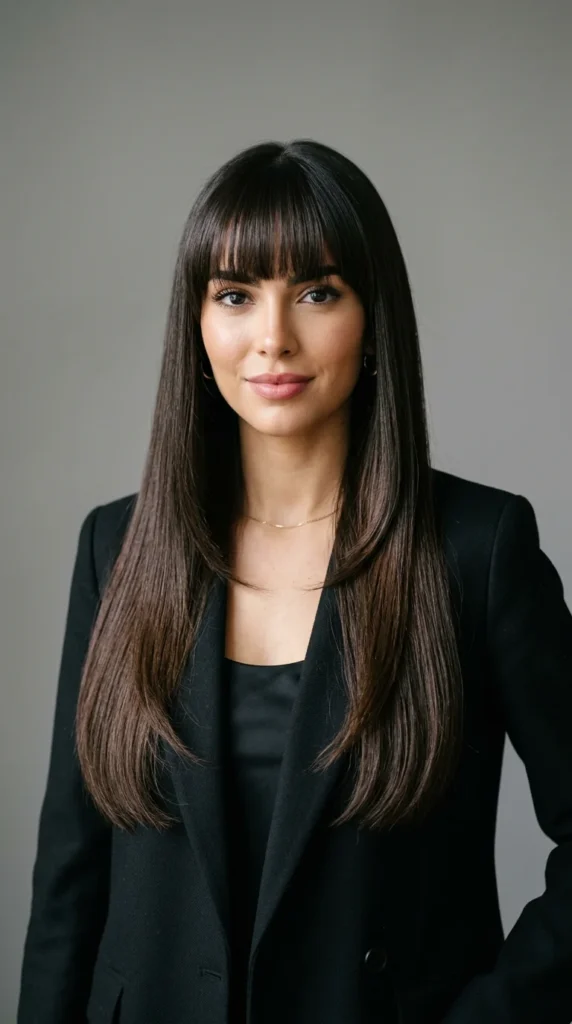
Nothing says 1960s like a thick, blunt fringe. This style was a favorite of icons like Jane Birkin and Françoise Hardy. The modern update involves making the bangs slightly less “heavy” by point-cutting the ends so they aren’t a solid wall of hair. This allows for more movement and makes the regrowth process much more manageable. Pair these bangs with ultra-straight, long layers for a classic bohemian vibe.
11. High Pony
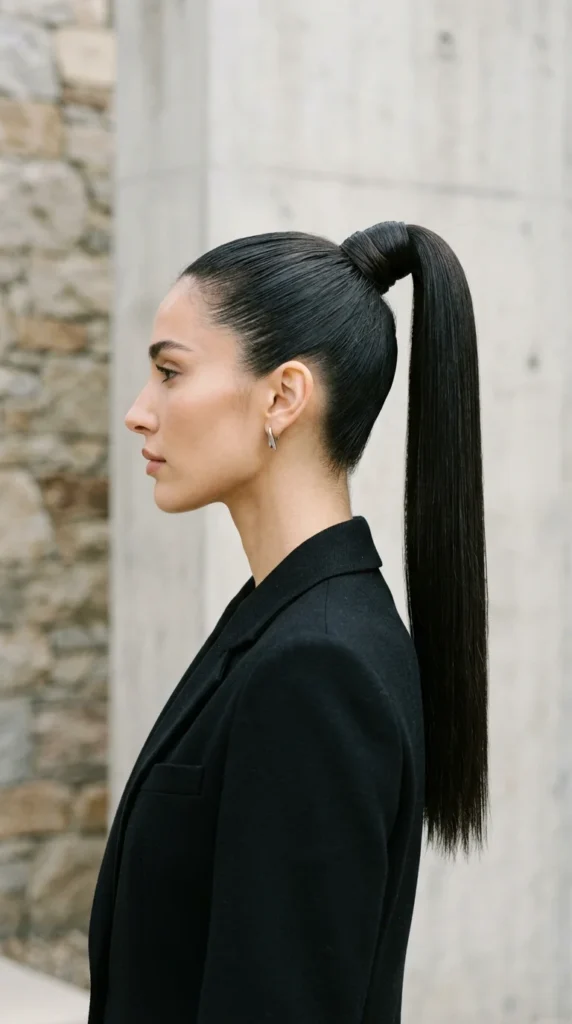
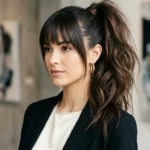
The 60s ponytail was high, bouncy, and often featured a wrapped base to hide the hair tie. Today, this look is a favorite on red carpets for its “facelift” effect. To modernize it, keep the hair extremely sleek against the scalp using a boar-bristle brush and a touch of hair wax. Ensure the ponytail itself is ironed straight. It’s a powerful, energetic look that bridges the gap between vintage Barbie and modern pop star.
12. Half-Up Volume
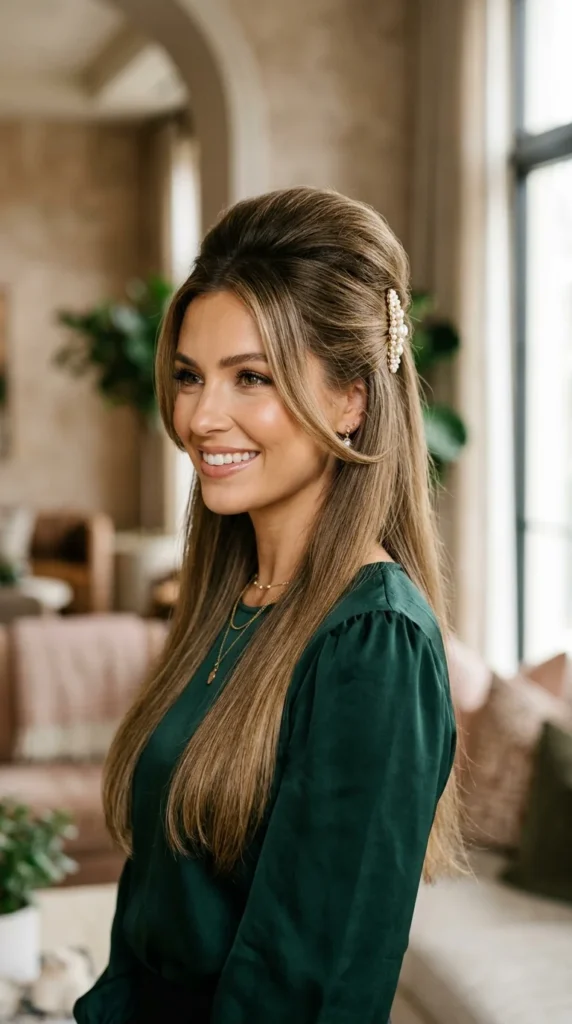
The half-up, half-down style was the ultimate “date night” hair of the 1960s. It combines the height of an updo with the femininity of long, straight locks. For a modern version, avoid the “crunchy” look of too much hairspray. Instead, use a decorative clip or a simple silk ribbon to secure the top section. Ensure there is a gentle lift at the crown to maintain that 60s silhouette without looking like you’re wearing a wig.
13. Shaggy Layers
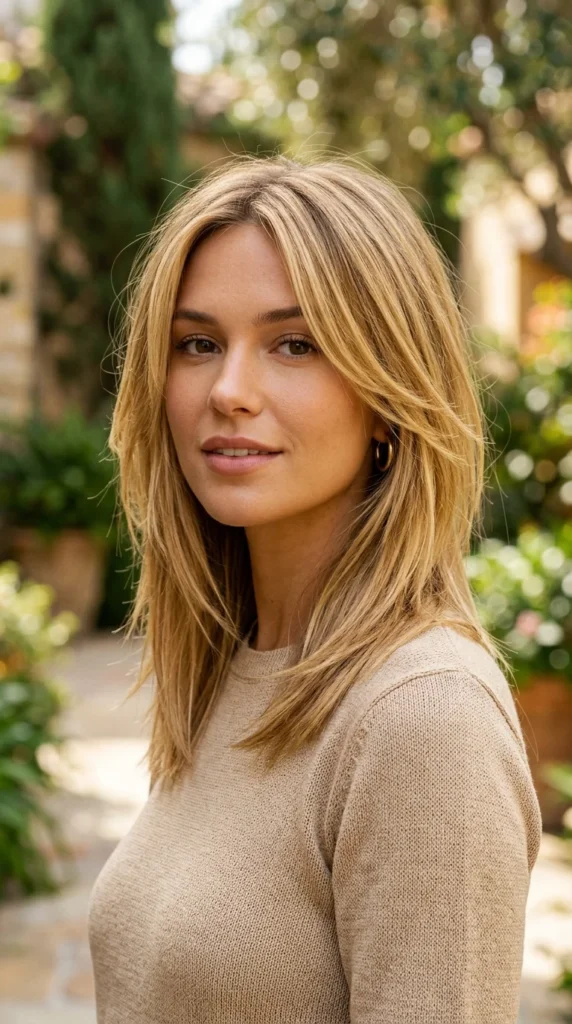
As the 60s bled into the early 70s, hair became less about structure and more about “shag.” This involves straight hair with lots of internal layers to create movement. The modern “Wolf Cut” or “Butterfly Cut” is essentially a descendant of this late 60s trend. To style this, use a flat iron to keep the layers straight but flick them in different directions to create a textured, effortless look that requires very little daily maintenance.