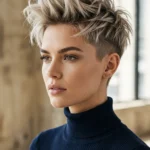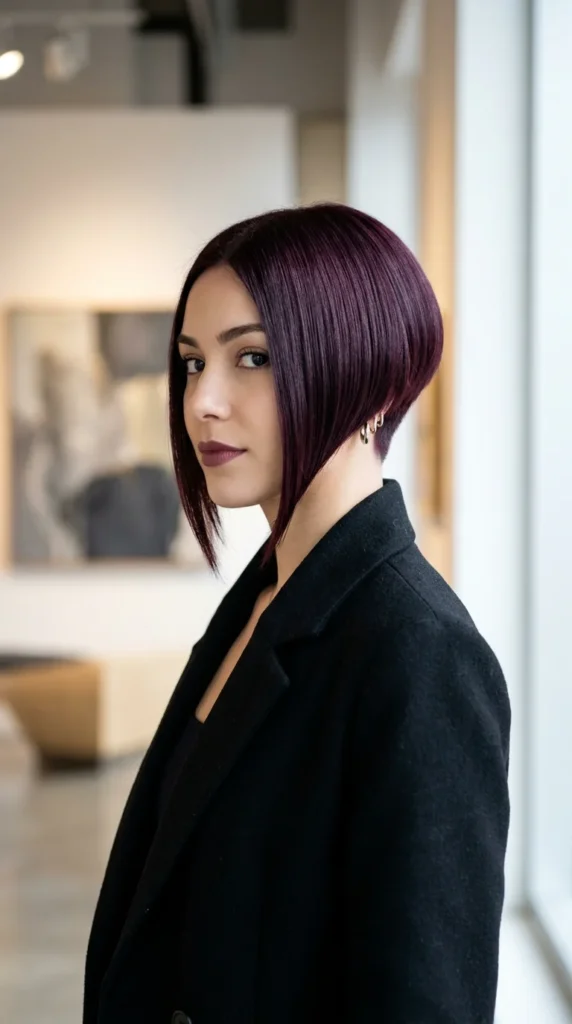

For those with thin or fine hair, the struggle to find a haircut that doesn’t look limp or flat is real. Enter the “Lob”—the long bob. This versatile cut is the gold standard for adding the illusion of density, movement, and style to finer strands. Unlike ultra-long hair, which can weigh fine hair down and make it look sparse, the lob hits that “sweet spot” between the collarbone and the shoulders, providing enough weight to keep the hair looking healthy while remaining light enough to hold volume.
Here are 20 custom-cut long bobs specifically designed to transform thin and fine hair into a voluminous masterpiece.
1. Blunt Cut
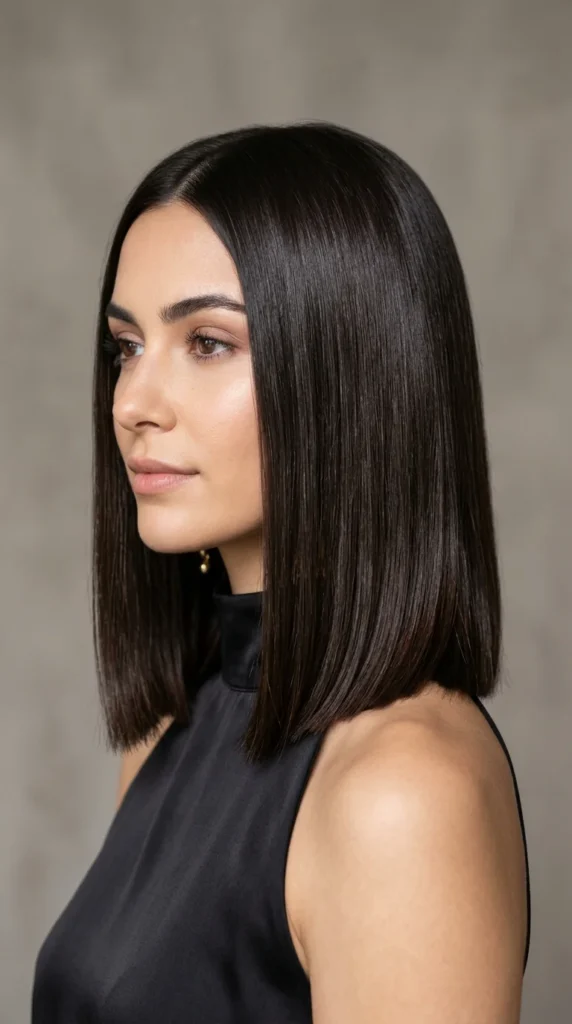
The blunt lob is the ultimate weapon for fine-haired women. By cutting the hair at one length across the bottom, you create a solid line that makes the ends appear much thicker than they actually are. It eliminates the “see-through” effect that often plagues fine hair, giving the style a heavy, healthy look.
2. Textured Layers

Texture is the enemy of flatness. By incorporating subtle, internal layers, a stylist can create “pockets” of air within the hair. These layers aren’t visible to the eye like a shag, but they provide the lift needed to prevent the hair from hugging the scalp too tightly.
3. A-Line Shape
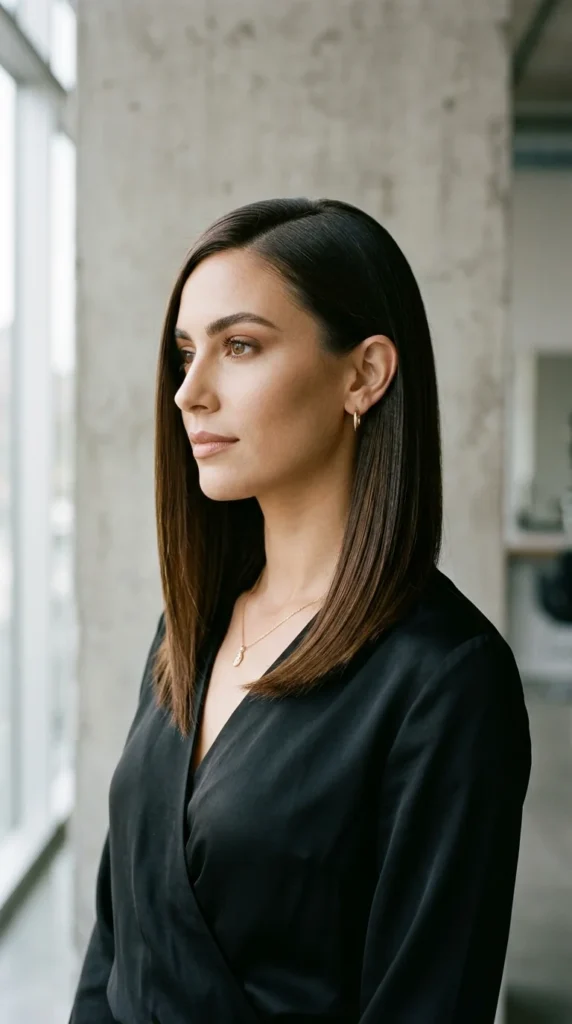
The A-line lob is slightly shorter in the back and longer in the front. This angle pushes the hair forward, creating a sense of fullness around the face. The shorter back also acts as a “shelf,” propping up the longer front sections for natural-looking volume at the crown.
4. Soft Waves

Curls and waves are a fine-haired girl’s best friend. Adding a soft bend to a long bob breaks up the light, making the hair look multi-dimensional. Using a wide-barrel wand ensures the waves are loose and modern rather than tight and dated.
5. Deep Side Part

Changing your part is the easiest way to gain instant volume. A deep side part forces all the hair to one side, creating a “stacking” effect that makes the hair look twice as thick. It also creates a natural lift at the root that defies gravity.
6. Choppy Ends

Instead of a perfectly straight edge, choppy ends involve “point-cutting” into the hair. This removes a tiny bit of weight from the very tips, allowing the hair to bounce more freely. It gives a modern, “undone” vibe that looks effortless and full.
7. Wispy Bangs

Heavy bangs can sometimes take too much hair away from the sides, making the rest of your hair look thinner. Wispy, “see-through” bangs provide the style of fringe without sacrificing the density of your overall cut. They add interest to the face-frame without the bulk.
8. Sleek & Straight
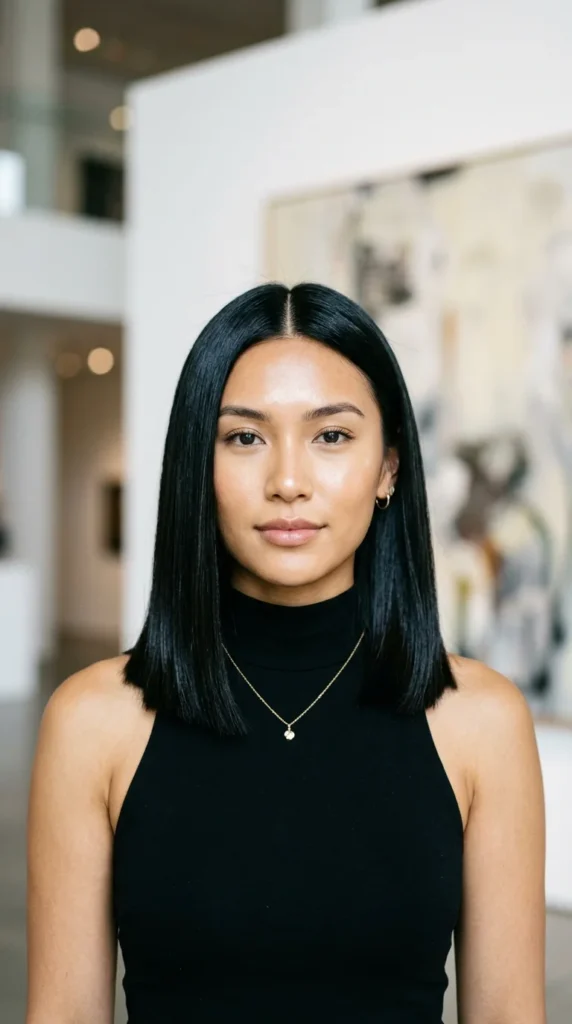
While volume is usually the goal, a sleek, straight lob can look incredibly chic on fine hair if the cut is precise. The key is a healthy, blunt edge and a high-shine finish. This look celebrates the silky texture that often comes with fine hair.
9. Asymmetrical Edge
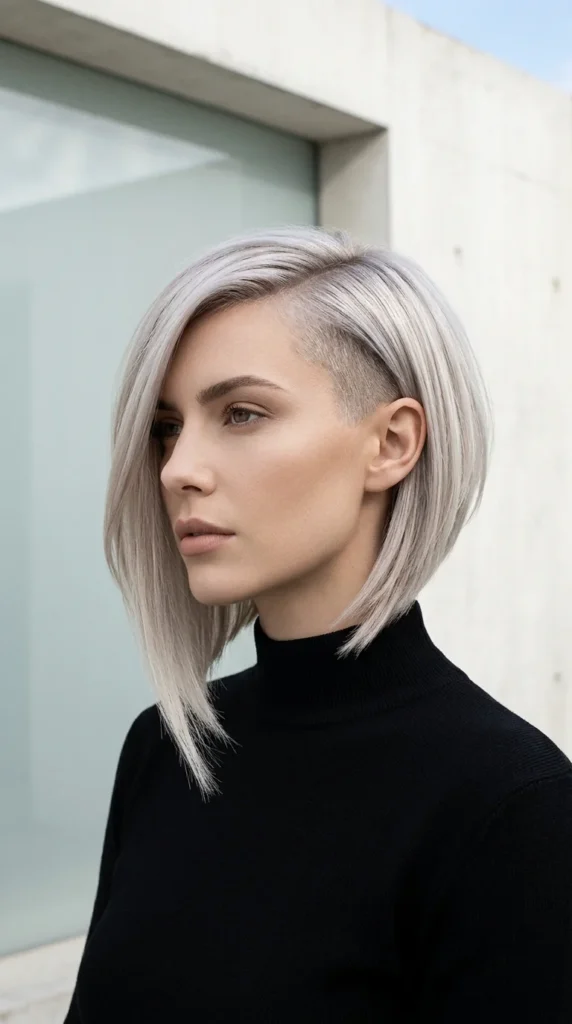
An asymmetrical lob draws the eye to the lines of the cut rather than the thickness of the hair. By having one side longer than the other, you create a dynamic look that feels intentional and high-fashion, distracting from any lack of density.
10. Face-Framing Layers

If you want to keep the thickness of a blunt cut but hate the “heavy” look around your face, face-framing layers are the answer. These layers start around the chin and blend down into the length, highlighting your features while keeping the back of the hair thick.
11. Shaggy Lob

The modern shag is a lifesaver for thin hair. By adding many short layers throughout the crown, you create a top-heavy shape that looks incredibly voluminous. It’s a “wash-and-wear” style that thrives on natural texture and a bit of sea salt spray.
12. Tapered Back
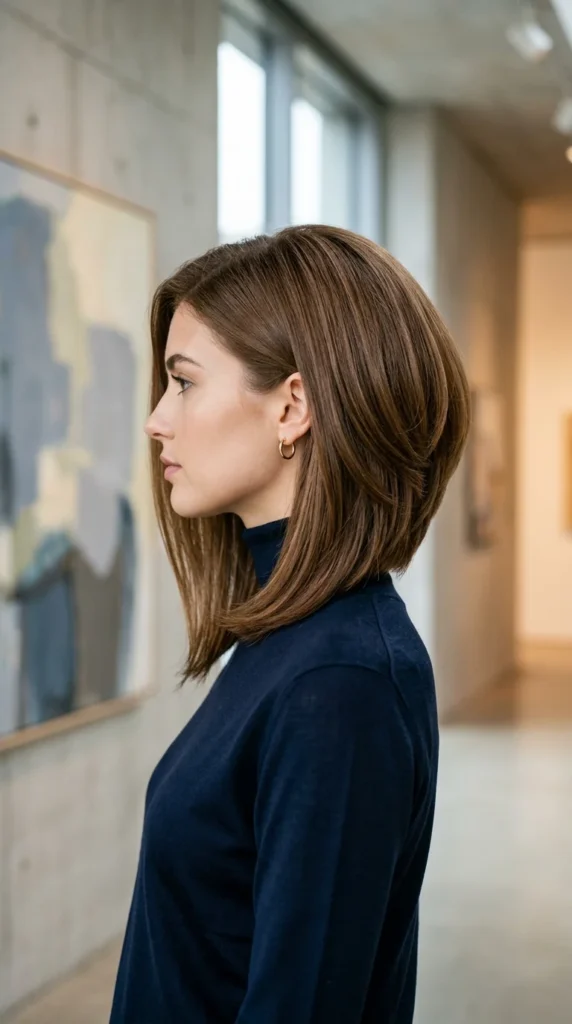
A tapered back involves cutting the hair slightly shorter at the nape of the neck. This graduation creates a built-in “lift” for the rest of the hair to sit on. It’s especially effective for those whose hair tends to go flat at the back of the head.
13. Undercut Detail

It might seem counterintuitive to remove hair when you have thin hair, but a hidden undercut can actually help. By removing the very bottom layer of hair at the neck, the hair on top can lay flatter and more controlled, or be “pushed” up to create a more rounded shape.
14. Side-Swept Bangs

Side-swept bangs add a layer of horizontal movement across the forehead. This breaks up the vertical lines of the hair, making the overall silhouette appear wider and, therefore, thicker.
15. Curtain Bangs

Curtain bangs are the “it” style for a reason. They add volume exactly where fine hair needs it—around the temples and cheekbones. Because they are parted in the middle and swept to the sides, they create an “M” shape that mimics root lift.
16. Voluminous Roots
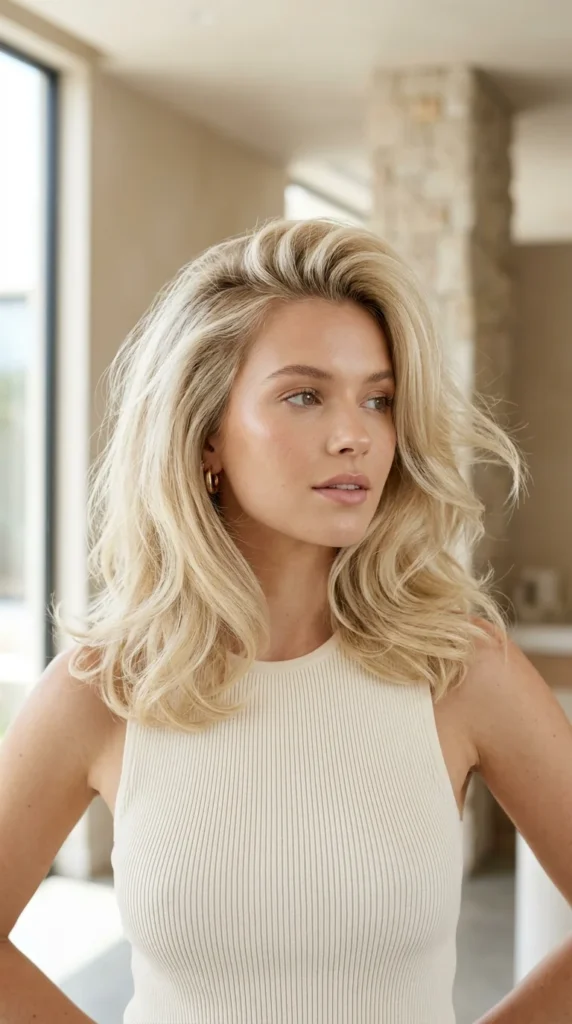
This isn’t just a cut; it’s a styling technique tailored for a lob. By cutting the hair to a manageable collarbone length, the roots are no longer weighed down, making it much easier to achieve and maintain height using volumizing mousses or root-lifting sprays.
17. Inverted Lob
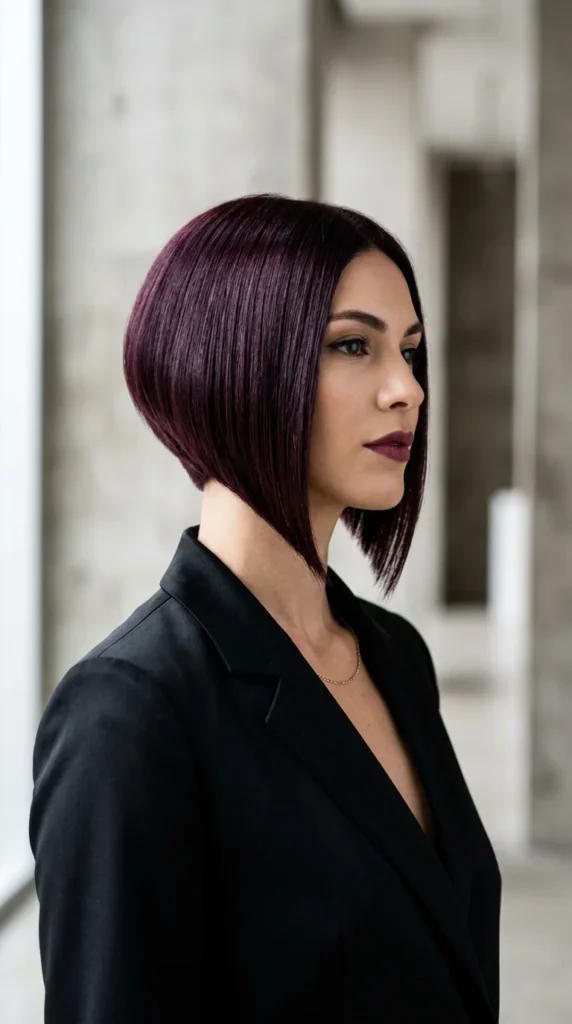
The inverted lob is more dramatic than the A-line. It features a steeper angle from back to front. This extreme angle creates a lot of visual interest and “stacking” in the back, which provides a massive boost to the appearance of hair density.
18. Blunt with Micro-Bangs

For the bold, micro-bangs paired with a blunt lob create a very strong, graphic frame. This style works well because the short bangs require very little hair, leaving the majority of your hair’s density for the rest of the bob.
19. Feathered Ends
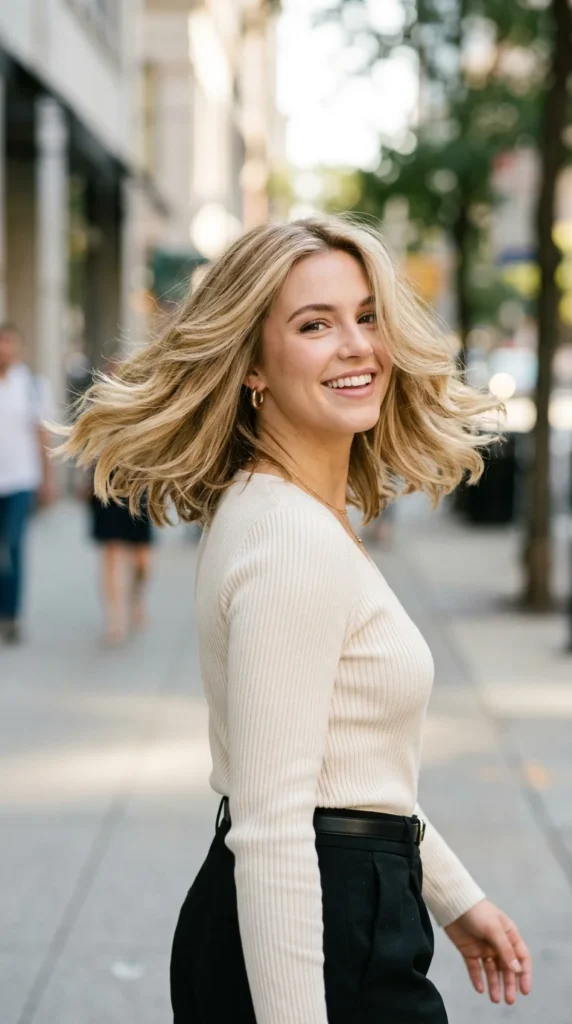
Feathering involves thinning out the very ends of the hair with a razor or shears to create a light, “feathery” look. While you want to keep the base thick, feathered ends can add a sense of airiness and “fluffiness” that makes the hair look like it has more volume than it does.
20. Messy Bedhead
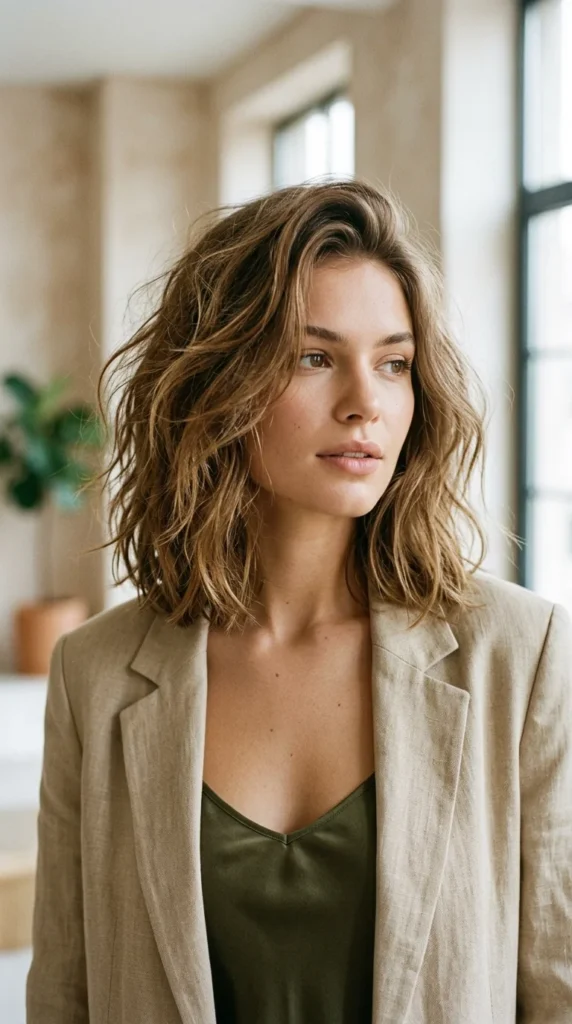
Sometimes, perfection is the enemy of volume. A “bedhead” lob uses salt sprays and dry shampoos to create a slightly gritty texture. This prevents individual hairs from sliding together and looking flat, instead keeping them separated and “propped up” against each other for a full, lived-in look.