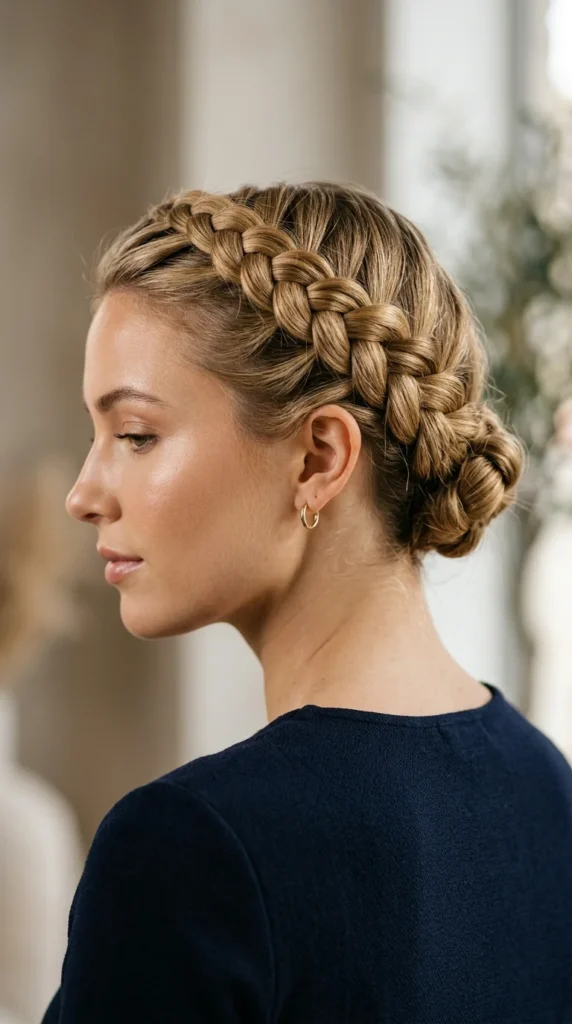

Protective styling is more than just a convenient way to change your look; for many in the Black community, it is a vital strategy for hair health. The core philosophy behind a protective style is simple: tuck the ends of the hair away to minimize manipulation and shield the strands from environmental stressors like friction, heat, and dry air. When done correctly, these styles act as a “sabbatical” for your hair, allowing it to grow undisturbed while retaining the moisture necessary for that coveted shine.
Whether you are transitioning to natural hair, trying to overcome a growth plateau, or simply looking to save time during your morning routine, choosing the right style is paramount. From the timeless elegance of box braids to the modern flair of butterfly locs, here are the top 20 protective styles designed to maximize length retention and keep your tresses glowing.
1. Box Braids
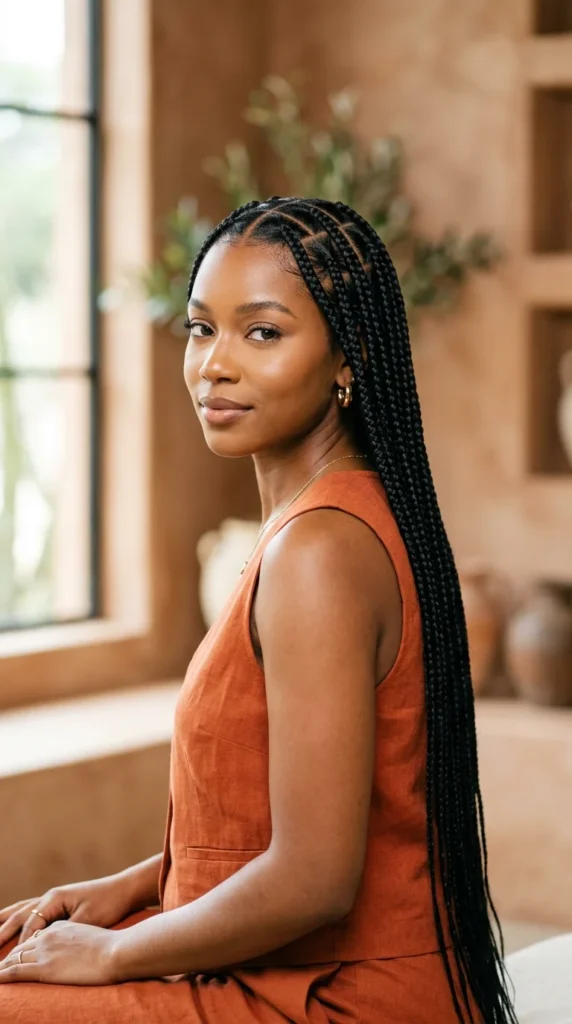
Box braids are the quintessential protective style. Characterized by their square-shaped sections, these individual braids can be installed in various lengths and thicknesses. Because the hair is completely encased within the braid, the ends are protected from snapping against clothing or becoming tangled. They offer incredible versatility, as they can be worn in buns, ponytails, or left flowing down the back. To maintain shine, a light application of hair oil on the braids and scalp is essential.
2. Knotless Braids
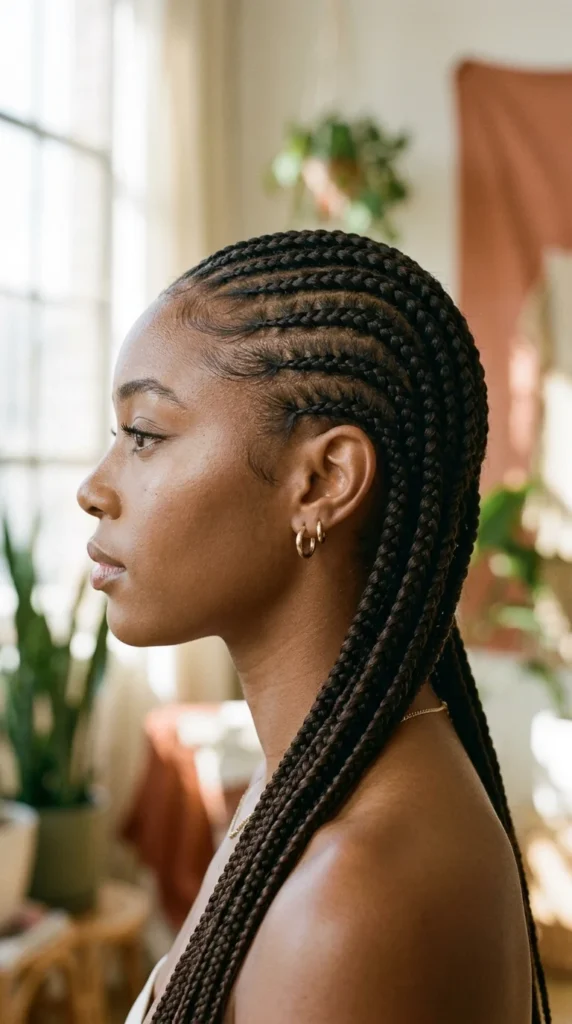
The modern evolution of the box braid, knotless braids have taken the world by storm due to their scalp-friendly nature. Unlike traditional braids that use a knot at the base for tension, knotless braids start with your natural hair and gradually “feed in” the extensions. This results in less tension on the follicles, reducing the risk of traction alopecia. They are lightweight, flexible from day one, and provide a very natural appearance that promotes healthy edges.
3. Cornrows
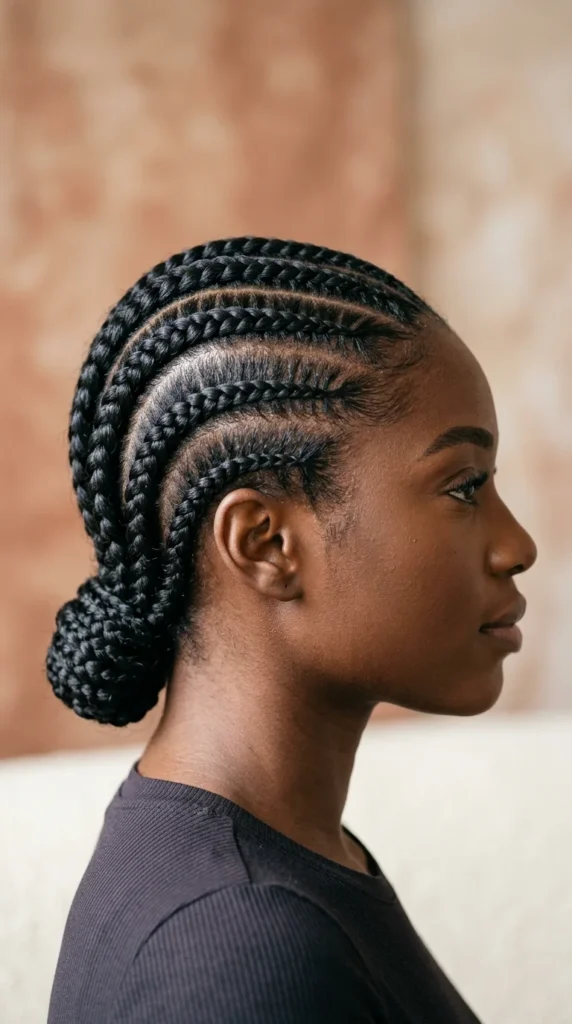
Cornrows are a timeless foundational style. Whether braided straight back or in intricate geometric patterns, they keep the hair close to the scalp and completely immobile. This lack of movement is excellent for length retention as it eliminates friction. Cornrows also serve as the perfect base for other styles like crochet installs or wigs, but they are equally stunning when worn as a standalone look decorated with beads or gold cuffs.
4. Senegalese Twists
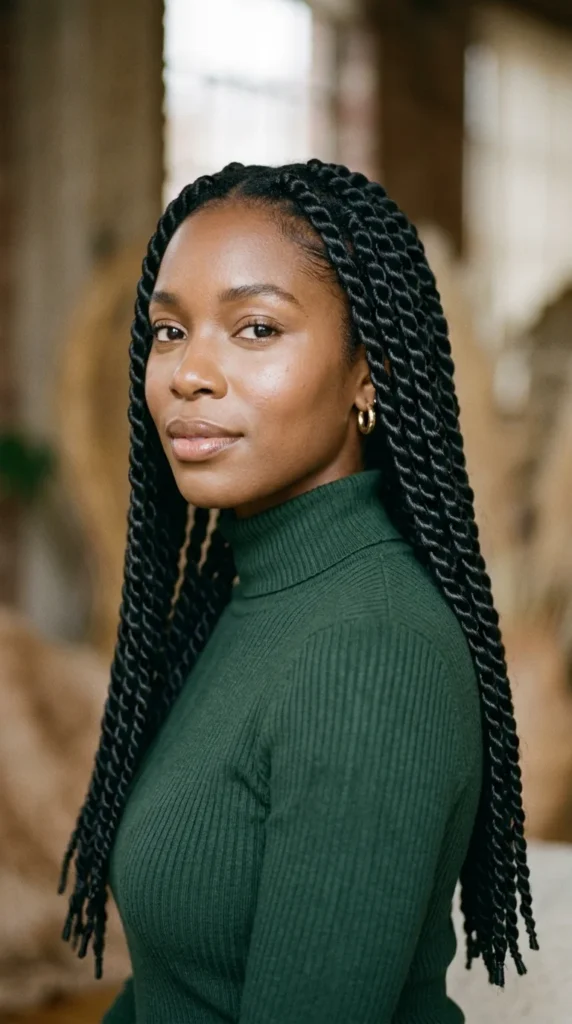
Often referred to as rope twists, Senegalese twists utilize a smooth, silky braiding hair that gives the style a refined, elegant look. The two-strand twisting method is generally faster to install and take down than three-strand braids. The smooth texture of the hair used prevents the natural hair from frizzing, helping to lock in moisture for several weeks.
5. Passion Twists
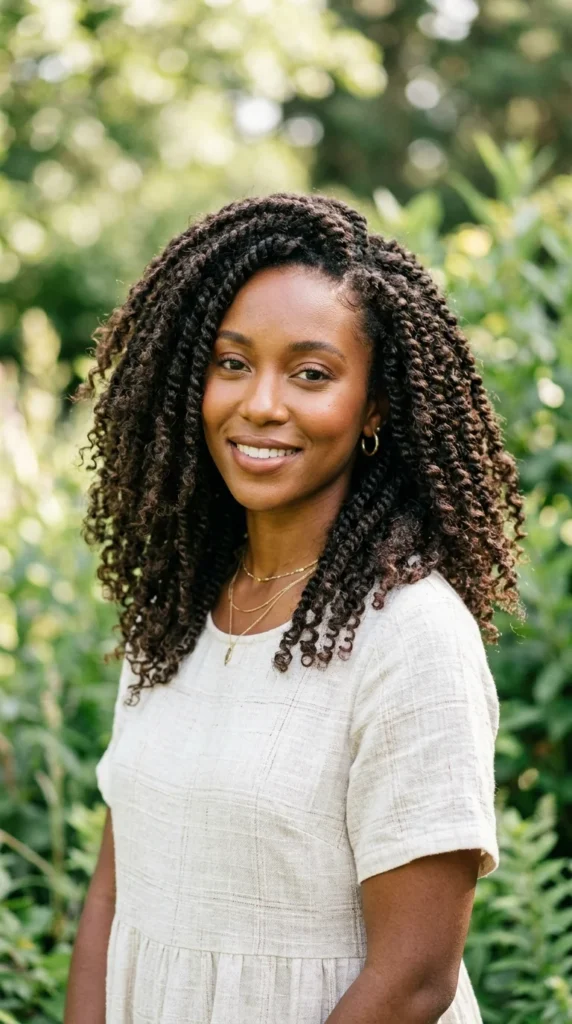
If you prefer a more “lived-in” or bohemian aesthetic, passion twists are the answer. Created using Water Wave braiding hair, these twists have a springy, curly texture that mimics natural hair patterns. They are incredibly lightweight and put very little stress on the roots. The curly nature of the style helps to hide any new growth, allowing you to keep the style in longer without it looking unkempt.
6. Marley Twists
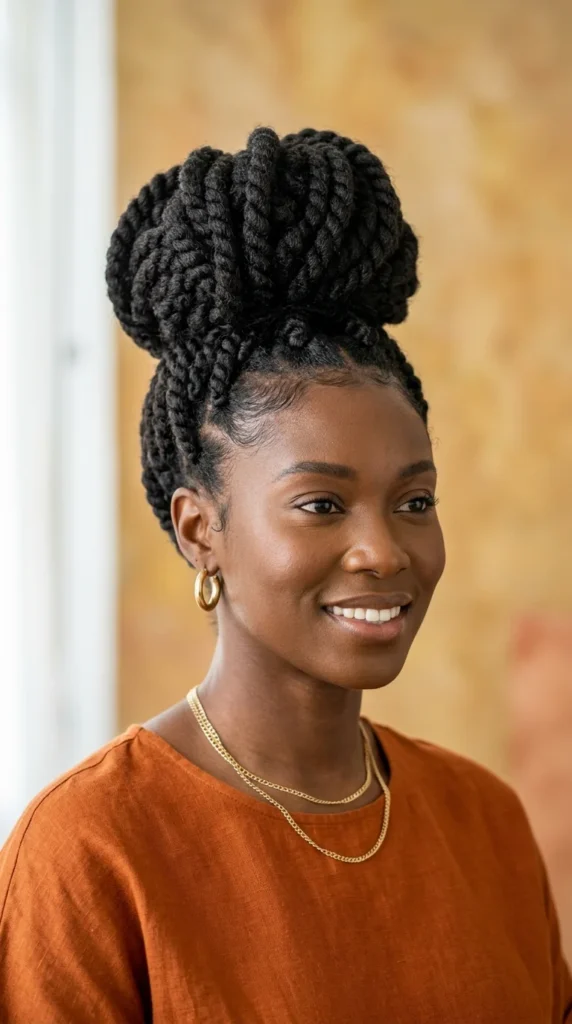
Marley twists use a coarser extension hair that blends seamlessly with natural hair textures. Because the hair is more “grippy,” the twists stay secure without needing much tension at the root. The density of Marley hair provides excellent protection against the elements, acting as a thick barrier for your natural strands tucked inside.
7. Faux Locs
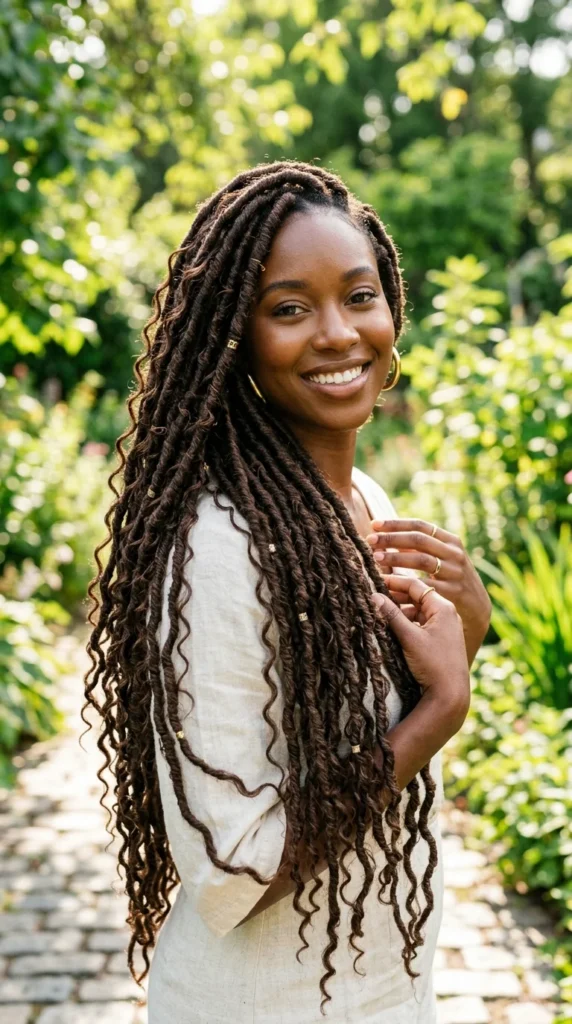
Faux locs provide the look of permanent dreadlocks without the long-term commitment. Your natural hair is either braided or twisted and then wrapped with hair extensions. This “double-layering” provides an incredible shield for your hair. Since your natural hair is completely encased within the loc, it stays moisturized and protected from all external manipulation.
8. Butterfly Locs
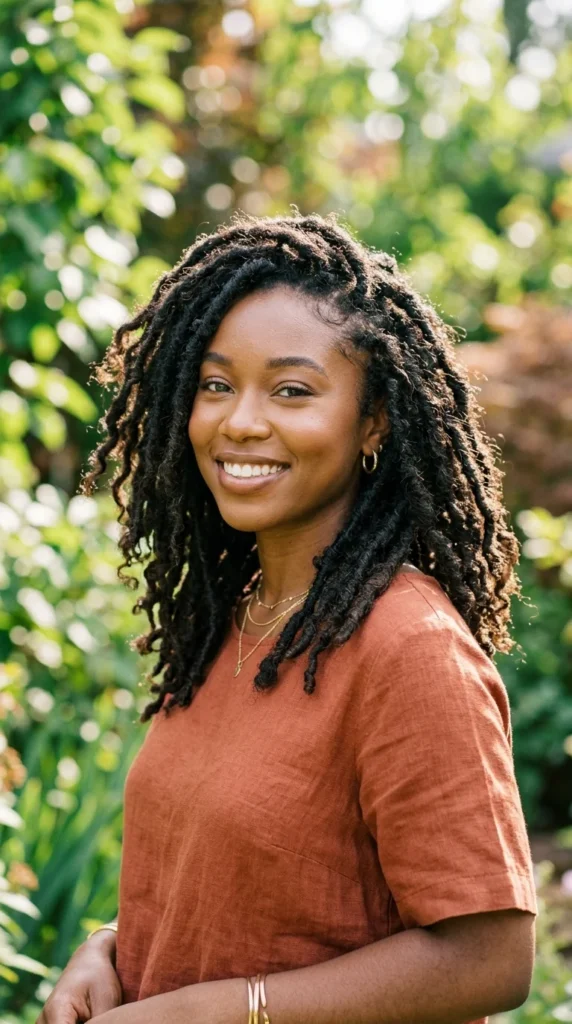
A variation of faux locs, butterfly locs are characterized by their distressed, looped appearance. They are created using the crochet method or a wrap method with wavy hair. The beauty of this style is that the more “worn-in” it looks, the better it becomes. This allows for long-term wear, which is the key to seeing significant length retention when you finally do the takedown.
9. Bantu Knots
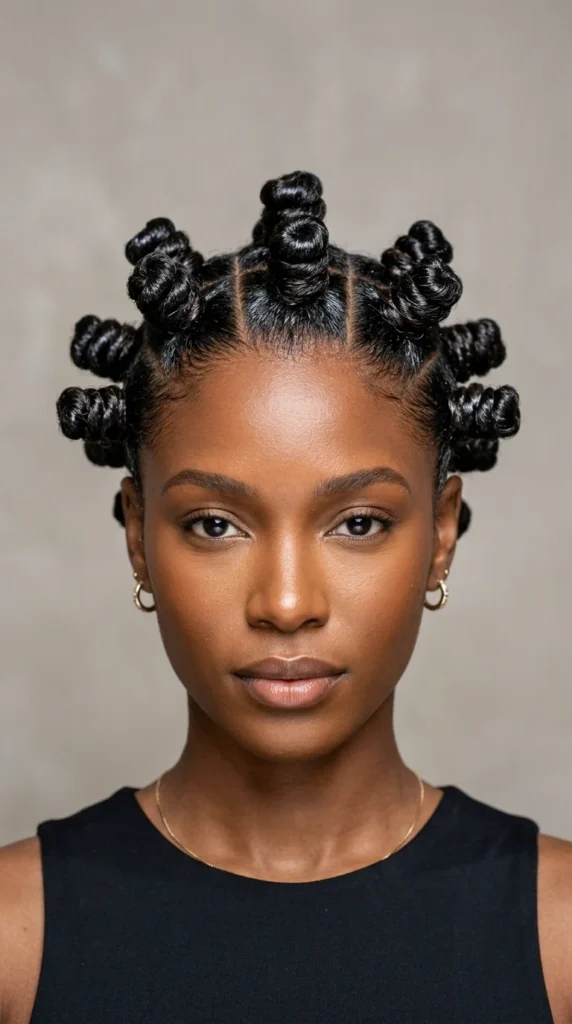
Bantu knots are a traditional African hairstyle that doubles as a protective style and a styling tool. The hair is sectioned, twisted, and wrapped around itself to form a knot. This keeps the ends tucked away and the hair condensed. When the knots are eventually taken down, they reveal “Bantu knot-outs”—defined, voluminous curls that require no heat.
10. Goddess Braids
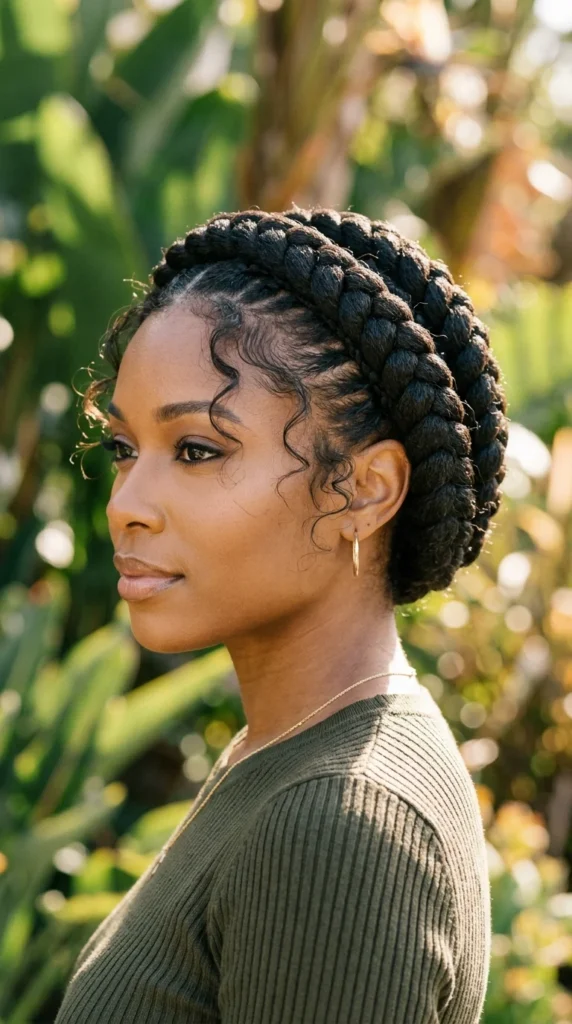
Goddess braids are essentially oversized cornrows. Because the braids are larger, the installation time is significantly shorter than individual braids. This style is perfect for short-term protection (1-2 weeks). It keeps the hair contained and is often styled into elegant updos that are perfect for professional or formal settings.
11. Halo Braids
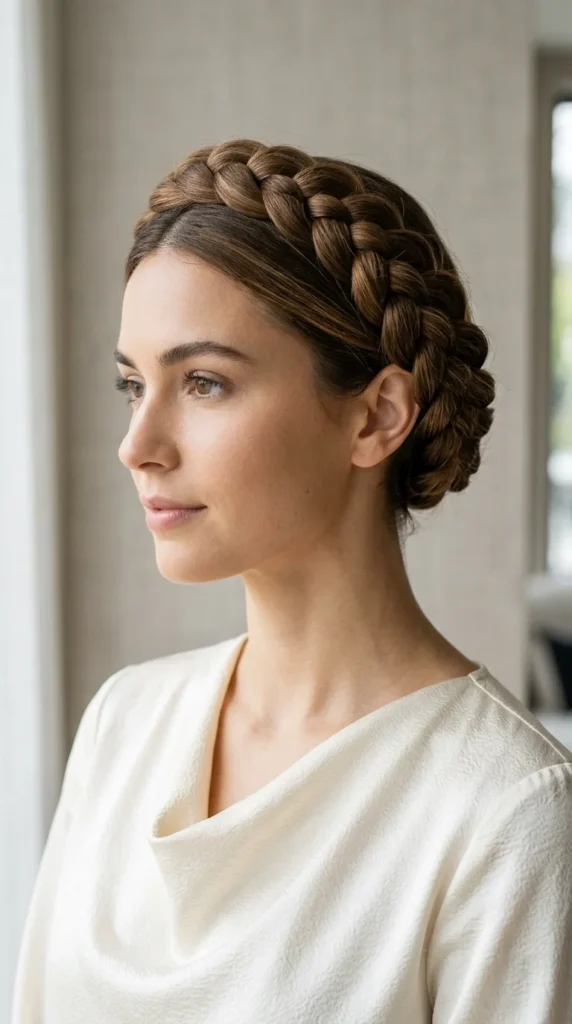
The halo braid is a regal style where one or two large braids encircle the head. It is the ultimate low-manipulation style because once it is pinned in place, you don’t have to touch it. It protects the ends of the hair by tucking them into the structure of the braid itself, and it’s a great way to keep hair off the neck during summer months.
12. Feed-in Braids
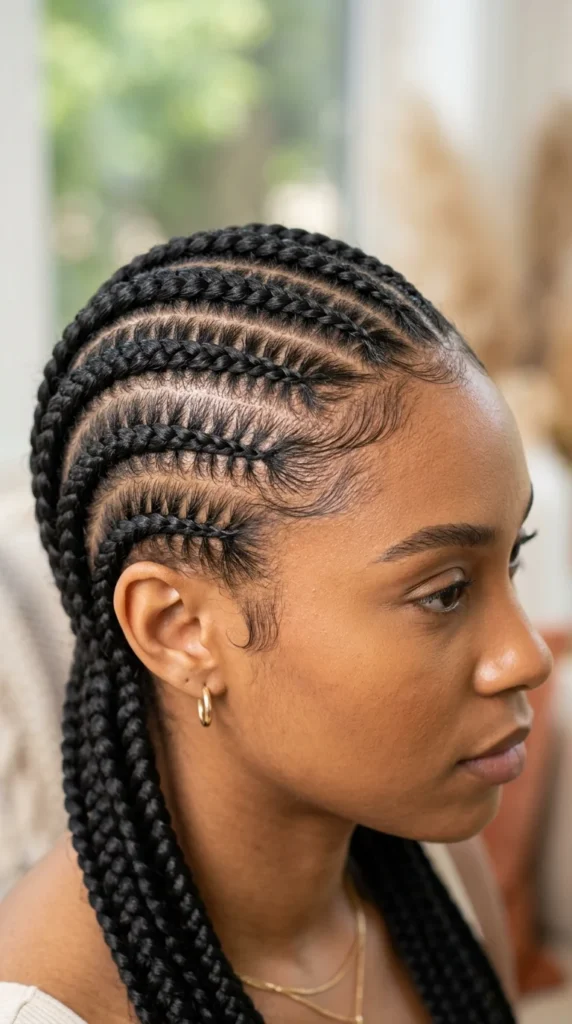
Feed-in braids are a technique used to create cornrows that look like they are growing directly from the scalp. By adding small amounts of hair gradually, the braid remains flat and narrow at the start, preventing the bulky “knot” at the hairline. This technique reduces tension on the edges, which is the most fragile part of the hair, ensuring they stay thick and healthy.
13. Crochet Braids
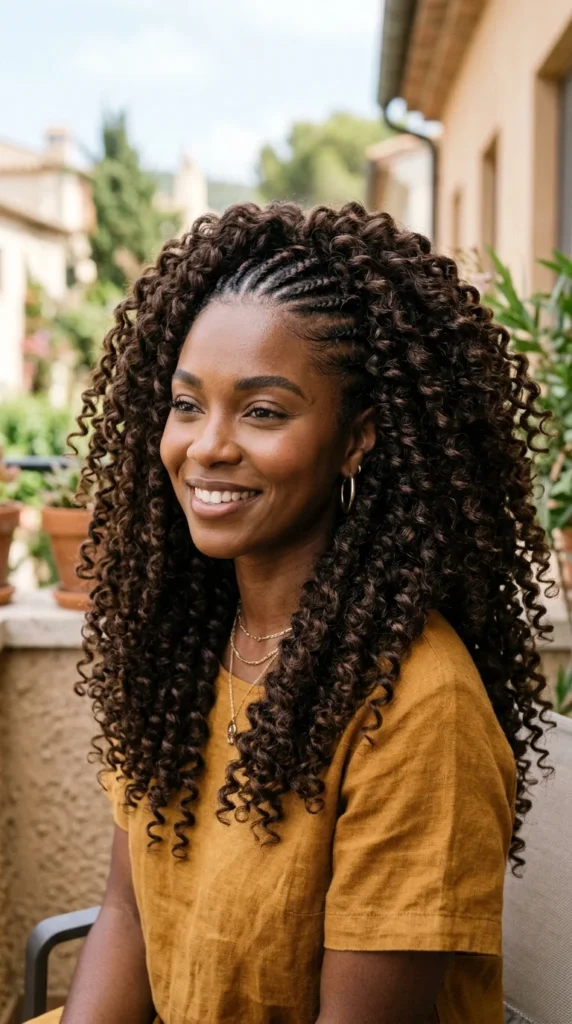
Crochet braiding is one of the fastest protective styles to install. Your natural hair is braided into cornrows, and then pre-styled hair (curls, twists, or braids) is looped through the cornrows with a crochet needle. This style is excellent for length retention because your natural hair is completely hidden and undisturbed, while you have easy access to the scalp for cleansing and moisturizing.
14. Wig Installations
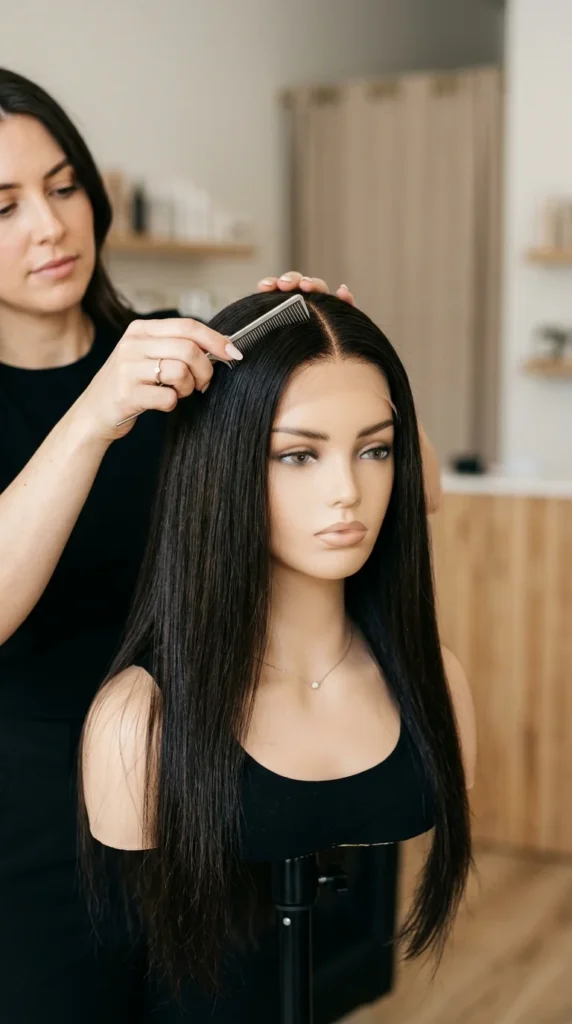
Wearing a wig over a base of flat cornrows is the ultimate “out of sight, out of mind” protective method. Wigs allow you to experiment with different colors, lengths, and textures without ever touching your natural hair with chemicals or heat. As long as you remember to take the wig off periodically to deep condition your natural hair, the growth results can be phenomenal.
15. Flat Twists
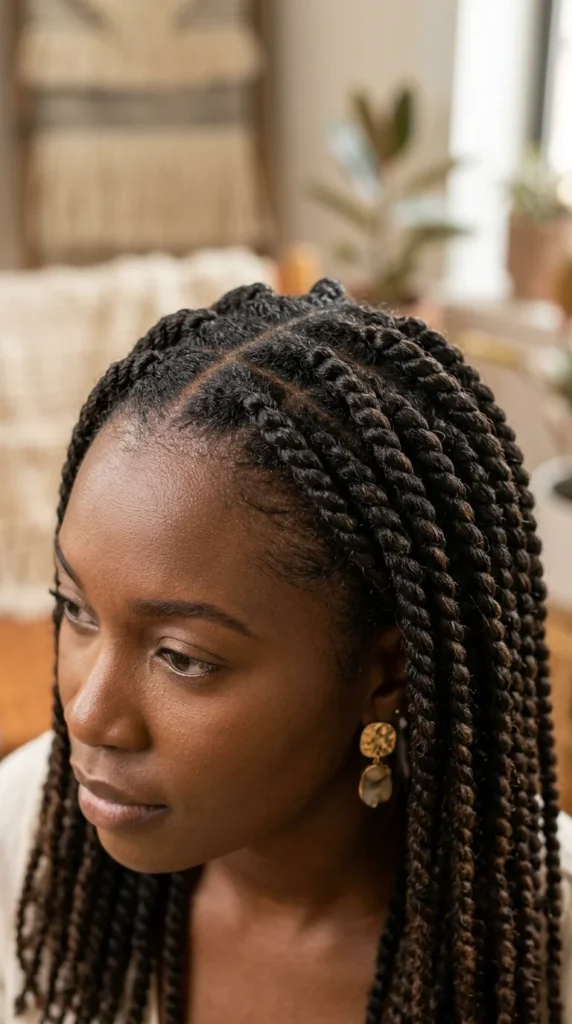
Flat twists are a hybrid between cornrows and two-strand twists. They are easier for many to do on themselves at home. They lie flat against the head, making them a great base for wigs or a beautiful style on their own. Flat twists provide a different tension profile than braids, which some find more comfortable for sensitive scalps.
16. Fulani Braids
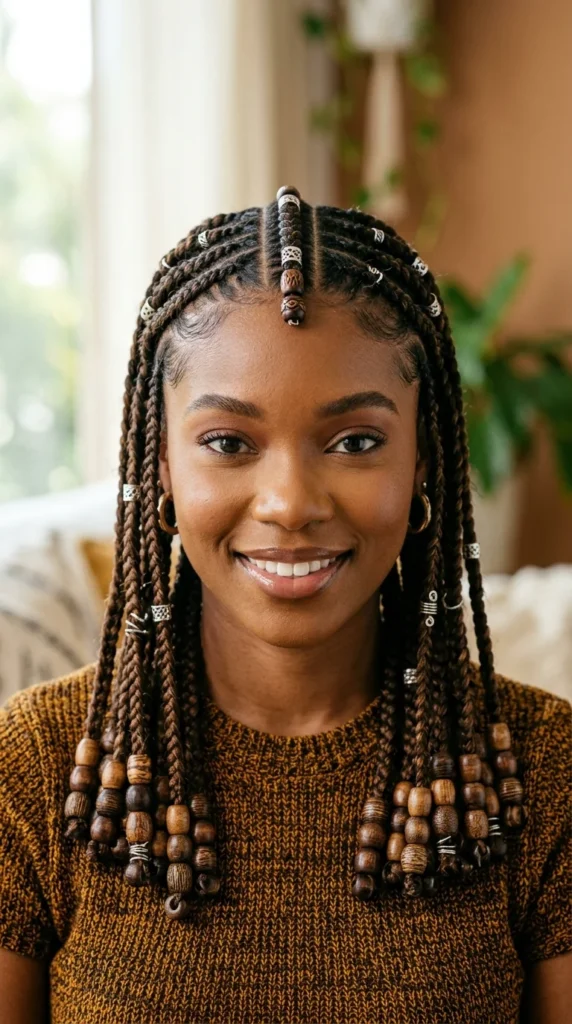
Inspired by the Fula people of West Africa, Fulani braids often feature a signature pattern of cornrows in the front and box braids in the back. This style is culturally rich and visually stunning. By incorporating beads and accessories, you minimize the need to “re-style” the hair daily, allowing the strands to rest and grow.
17. High Puff/Bun (Protective Version)
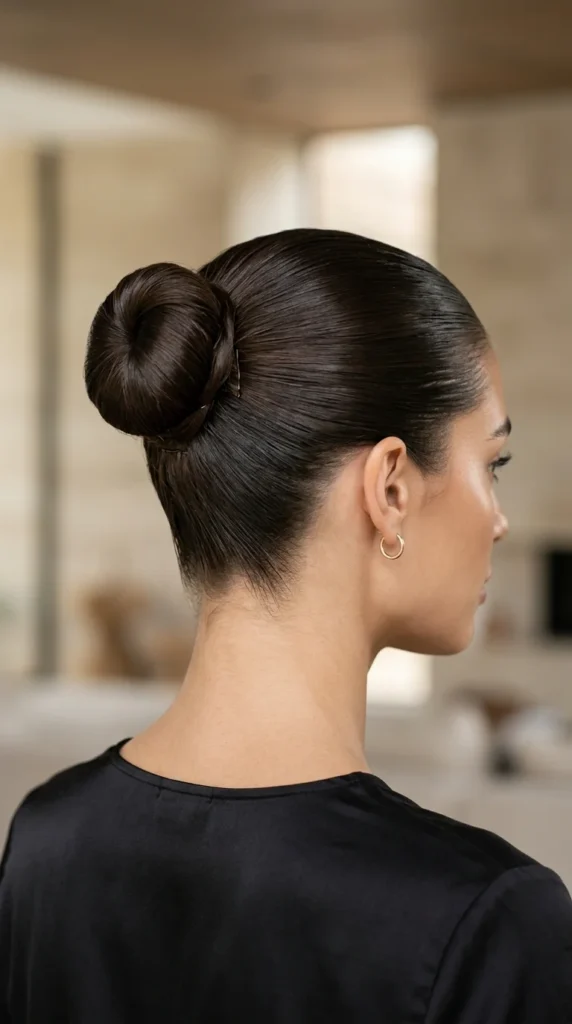
While a standard puff can sometimes cause tension, a “protective” bun involves loosely gathering the hair and ensuring the ends are fully tucked away. By using a satin scrunchie and pinning the ends of your hair under the bulk of the bun, you shield the oldest parts of your hair from breakage. This is a great “everyday” style for those with medium to long natural hair.
18. Bubble Braids
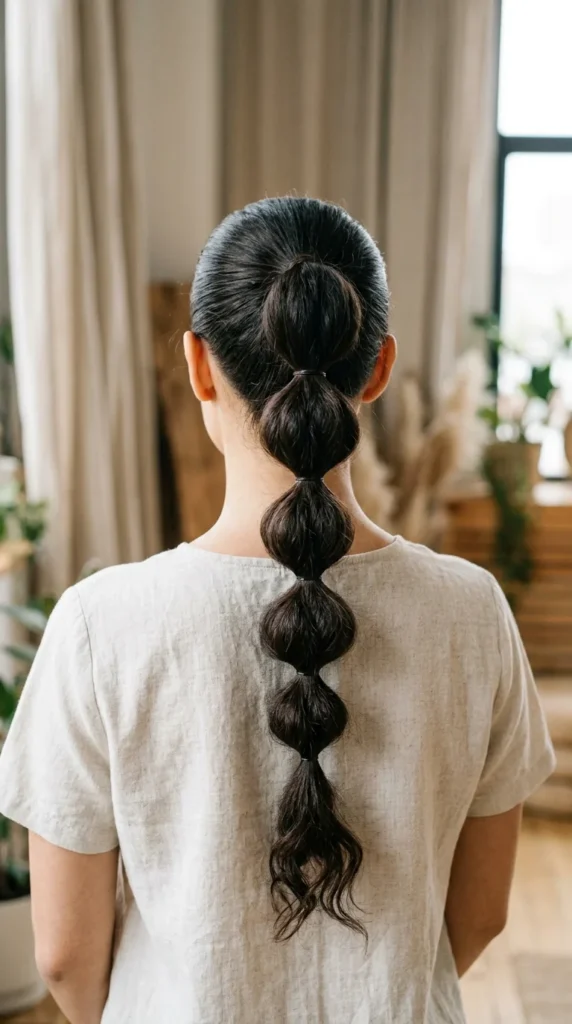
Bubble braids are a playful and easy protective style. By sectioning a ponytail with elastic bands and “fluffing” the hair in between, you create a series of bubbles. For it to be truly protective, the ends should be tucked into the final bubble or braided. It’s a low-tension way to keep hair organized and tangle-free.
19. French Curl Braids
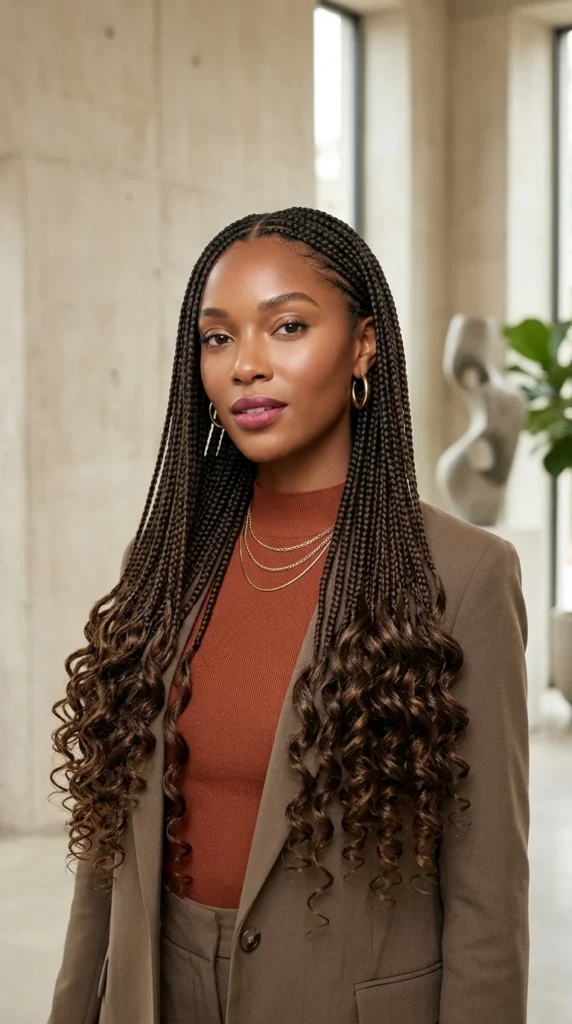
French curl braids are the latest trend in the braiding world. They combine the security of a box braid at the root with the glamor of loose, wavy hair at the ends. While the loose ends require a bit more maintenance (like detangling and oiling), the bulk of the hair remains protected in the braid, offering a beautiful balance of protection and aesthetic appeal.
20. Two-Strand Twists (Natural)
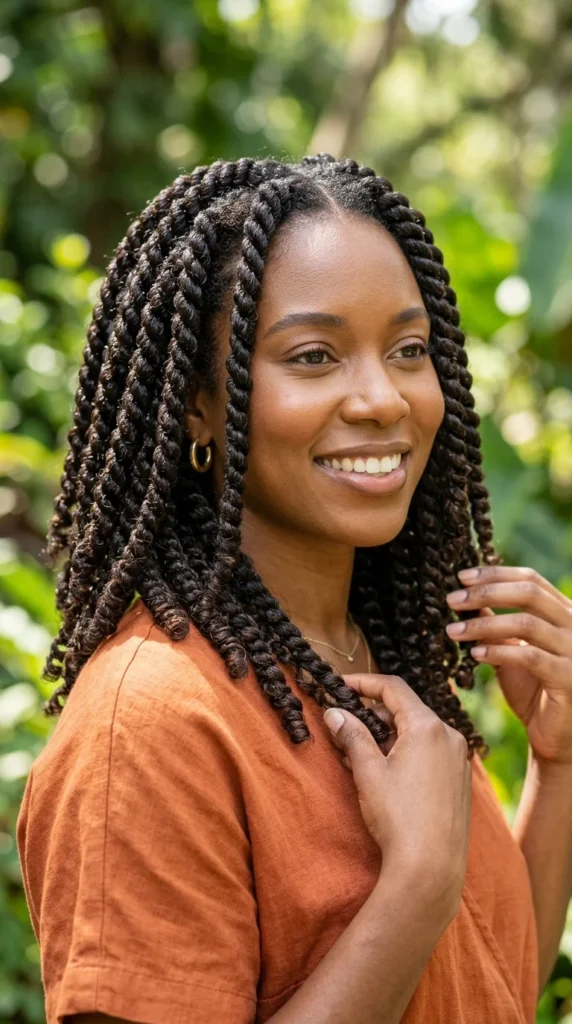
Sometimes the best protection comes from your own hair. Two-strand twists performed on natural hair without extensions are the ultimate low-tension style. They allow for the most scalp access and are the easiest to moisturize mid-week. Because there is no added weight from synthetic hair, there is zero risk of tension-related breakage, making this a top choice for those with fine or fragile strands.
Tips for Maintaining Your Protective Style
To truly retain length and shine, the “install and forget” method doesn’t work. Follow these rules:
- Scalp Care: Use a nozzle bottle to apply watered-down shampoo or an astringent to your scalp to prevent buildup.
- Moisture is Key: Use a leave-in conditioning spray to keep your natural hair hydrated inside the braids or twists.
- Night Protection: Always sleep with a satin or silk bonnet/pillowcase to prevent the style from frizzing and to keep moisture in your hair.
- Don’t Leave it in Too Long: Most styles should be taken down after 6 to 8 weeks to prevent matting and “locking” at the root.